

US Army Women's Suicide and Homicide Rate Rose by More Than a Third After Vanessa Guillén Reforms
A 14-year review reveals increased suicide and homicide rates among Army women post-reform

The combined rate of US Army women dying by suicide or homicide climbed by more than a third in the years after reforms were introduced following Vanessa Guillén's killing. That is according to a 14-year review of Pentagon death records obtained through a Freedom of Information Act request.
The analysis found the per capita rate rose from 15 per 100,000 between 2011 and 2020 to 21 per 100,000 between 2021 and 2024. That second period covers the years directly after the Army overhauled its sexual harassment and assault response systems.
How Vanessa Guillén's Killing Sparked Reform
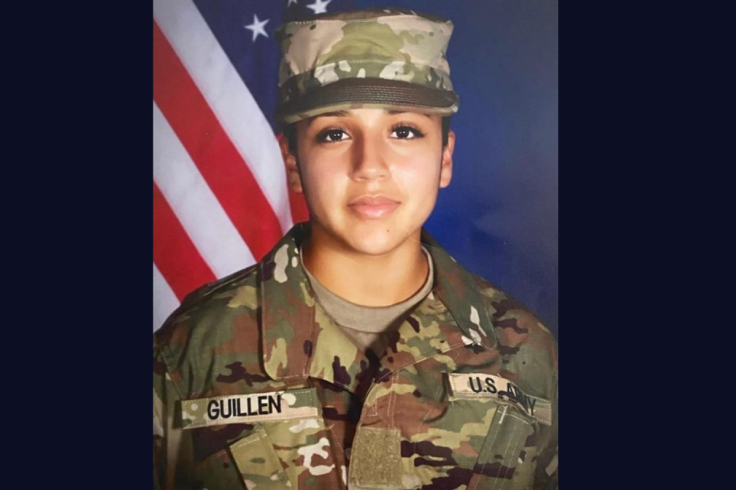
Vanessa Guillén, a 20-year-old private first class, went missing from Fort Hood in April 2020. She was later found murdered by a fellow soldier, who took his own life before he could be arrested.
Her family said she had reported sexual harassment in the weeks before her disappearance but that no action was taken. The case led to the Fort Hood Independent Review Committee, which interviewed 2,500 soldiers and civilians.
The panel issued 70 recommendations after concluding there was a 'permissive environment for sexual assault and sexual harassment' at the base, according to its official findings published by the US Army. Those recommendations later informed the I Am Vanessa Guillén Act, signed into law in December 2021.
The legislation shifted prosecution decisions for serious offences, including sexual assault, domestic violence and homicide, away from unit commanders and into the hands of independent prosecutors. That change was confirmed in coverage of the bill becoming law.
Suicide and Homicide Rates Rose Despite Reforms
Despite those legal changes, the underlying death rate for Army women did not improve. The review was based on a Department of Defense spreadsheet listing 5,285 Army deaths between 2011 and August 2025.
At least 41 women died by homicide in that period. More than half were killed by fellow service members or veterans.
Over 70 per cent of the homicide victims had, at some point, been in an intimate relationship with their killer. A further 128 Army women died by suicide across the same 14 years.
From 2011 to 2024, the combined homicide and suicide rate for Army women was double the equivalent rate for women nationally. That comparison drew on figures from the FBI Crime Data Report, the United Nations Office on Drugs and Crime, and the Centers for Disease Control and Prevention.
Army Does Not Track Gender-Disaggregated Data
The investigation flags a structural problem that limits further scrutiny. The Army does not separate its homicide and suicide figures by gender, nor does it calculate them per capita in routine reporting.
That means the trend identified in this analysis is not something the Army tracks or publishes on its own. Independent verification currently depends on FOIA requests rather than standard disclosure.
In response to questions, the Army acknowledged a data discrepancy. An Army spokesperson said the service recorded 16 homicides among active-duty women between 2021 and 2023, compared to the nine counted in the dataset provided through the FOIA request. The Army did not respond to follow-up questions about the discrepancy, and the additional homicides would make the disparities found by the investigation even wider.
Army officials maintain that programmes addressing sexual assault and domestic violence remain in place. The new figures raise questions about whether those measures are reaching the servicewomen most at risk.
The numbers sit awkwardly against the Army's own narrative of reform since 2020. Congress passed specific legislation to protect servicewomen after Guillén's death, yet the underlying death rate rose rather than fell in the years that followed.
© Copyright IBTimes 2026. All rights reserved.