

EU Wants to Change How Meat, Eggs and Dairy Are Produced: Here's What's in the New Livestock Strategy
The EU's livestock strategy aims to enhance sustainability, competitiveness, and resilience across member nations.
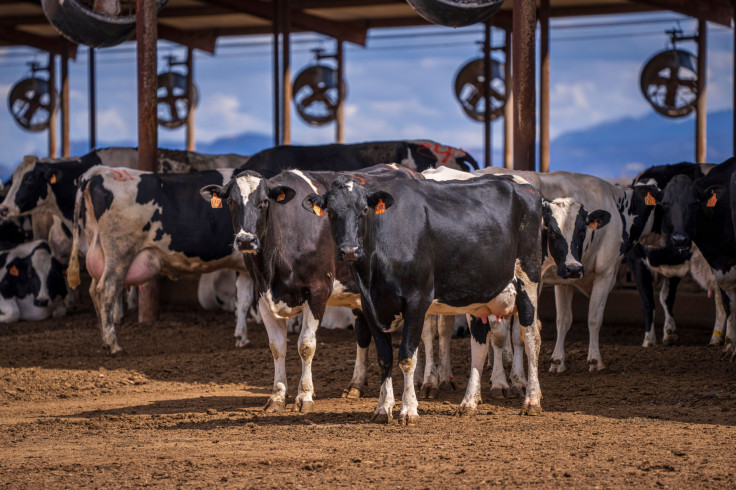
The European Union (EU), in a recently announced livestock strategy, aims to make uniform and sustainable livestock farming across all member nations, for a more resilient and competitive industry. Livestock farming in Europe is a €400 billion (£342 billion or $457 billion) industry that largely contributes to global food security and European employment.
On Tuesday, 7 July, the European Commission unveiled its livestock strategy that will aid livestock farmers to face economic, environmental and market challenges. The EU farming reforms focus on five segments: livestock resiliency, global competitiveness, sustainability, versatility, and excellence.
Long-Term Sustainability
'The Strategy, the first of its kind, sets out actions to help livestock farmers address challenges. This long-term vision recognises the essential role of sustainable livestock farming in Europe's future to protect food security and support rural communities in all their diversity,' the Commission said.
Livestock farming represents 40% of the total European agriculture output. But there are 117 identified diseases that threaten animal survival. Among the most common livestock diseases are African swine fever, avian influenza, foot and mouth disease, horse disease, lumpy skin disease, rabies and rinderpest.
Part of the EU livestock farming reform is to ensure reduced risk exposure and quick recovery in case it happens. Investments include insurance, re-insurance, early detection, early action and climate resilience. As of 2025, the European livestock population includes 1.6 billion poultry, 132 million pigs, 72 million cattle, 54 million sheep and 10 million goats.
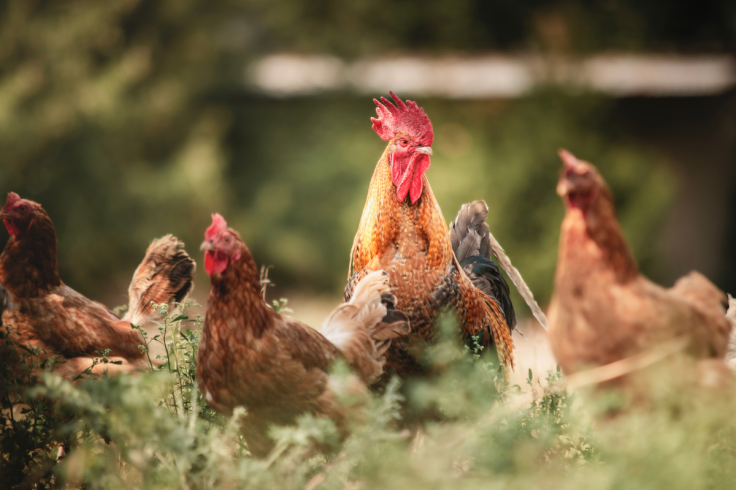
In working for a more competitive industry, the EU has also set animal welfare rules, including cage-free systems, circularity and bioeconomy. Farmers will also benefit from support in permitting procedures to ensure greater alignment of production standards among the member nations.
Livelihood and Economic Protection
Some seven million farmers work on four million farms in the EU. That is equivalent to 42% of the entire agricultural labour force. Sustaining best practices in livestock farming will ensure the stability and viability of farming as a livelihood.
The ageing farming population has been a cause for worry in the EU. According to the Commission, 'The core of livestock production is managed by farmers in their mid- and late-career stages. Farmers under 40 account for only a small share of the total livestock sector.'
By introducing the core EU farming reforms, the Commission isn't just hoping for sustainability but also to make livestock farming more attractive to the younger generation.
Will Production Prices Increase?
Many of the reforms will encourage the use of various tools and technology to ensure livestock disease preparedness, farmer support, animal welfare standards, lower farm emission and better food labeling. Initial investment in competitiveness and sustainability will entail monetary challenges.
However, the EU also has a roadmap to support farmers financially. In the end, the goal is to have a better and more holistic livestock farming practice that would yield more production, eliminate losses and have better yield for the global market.
Europe once viewed livestock as a source of methane. But the EU has since made a turnaround and now frames it as an essential pillar for the continent's future. 'Livestock is not only about agriculture. It is about competitiveness, food security and Europe's future,' said the Commission's executive vice president Raffaele Fitto.
© Copyright IBTimes 2026. All rights reserved.