

easyJet Flight Declares Mid-Air Emergency, Replacement Aircraft Sent After Hamburg Diversion
Passengers safely continue journey after emergency diversion
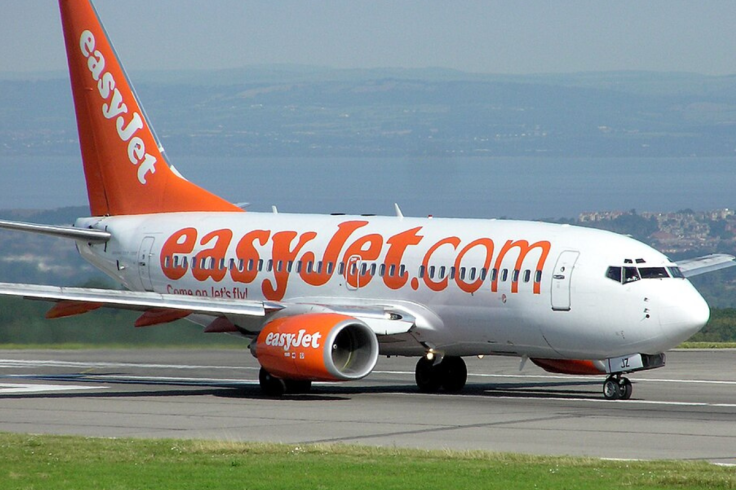
An easyJet flight travelling from Copenhagen to Amsterdam diverted to Hamburg after the crew declared an in-flight emergency, with passengers completing their journey on a replacement aircraft while engineers examined the original jet.
Flight U27938 departed Copenhagen Airport for Amsterdam Schiphol Airport on Monday before the crew reported an operational issue during the flight. The pilots declared an emergency, changed course and landed the Airbus A319 safely at Hamburg Airport, where emergency services were standing by as a precaution. No injuries were reported, and passengers left the aircraft normally after it reached the terminal.
Although emergency declarations can sound alarming, aviation specialists say they are often precautionary. Pilots use them whenever they believe a technical or operational issue requires immediate attention, allowing air traffic controllers to give the aircraft priority and ensuring emergency crews are ready if needed. Such declarations are designed to maximise safety and do not necessarily mean an aircraft is facing an immediate or life-threatening emergency.
Emergency Diversion
Flight tracking data showed the aircraft leaving Copenhagen before turning away from its planned route to Amsterdam and heading towards Hamburg.
The aircraft landed safely without the need for an emergency evacuation. After arriving, easyJet withdrew the Airbus A319 from service so engineers could carry out technical inspections. The airline then arranged a replacement aircraft, allowing passengers to continue their journey to Amsterdam later the same day.
At the time of reporting, easyJet had not disclosed the specific reason for the emergency declaration. Airlines typically wait until engineering inspections are complete before confirming the cause of an operational issue, particularly if further technical assessments are required.
Replacement Flight
Once an aircraft diverts following an emergency declaration, it does not immediately return to service.
Engineers carry out a series of inspections to determine whether the aircraft is safe to operate and whether repairs or additional maintenance are required. If the checks cannot be completed quickly, airlines usually deploy another aircraft or arrange alternative transport to reduce disruption for passengers.
In this case, easyJet sent a replacement aircraft to Hamburg so travellers could continue to Amsterdam without waiting for the original aircraft to be cleared for service. While the diversion delayed the journey, the airline's operational response allowed passengers to reach their destination the same day.
Inspections Continue
easyJet said the safety and wellbeing of its passengers and crew remain its highest priority. The airline apologised for the disruption and said operational decisions are always taken with safety in mind.
The exact cause of the emergency declaration has yet to be confirmed, and the aircraft is expected to remain under technical assessment until inspections are complete. Investigations following precautionary diversions often focus on identifying the underlying issue before an aircraft is cleared to return to commercial service.
While the diversion disrupted travel plans, the incident ended without injuries and demonstrated the aviation industry's precautionary approach to safety. By declaring an emergency, diverting to the nearest suitable airport and arranging a replacement aircraft, the flight crew and airline followed established procedures designed to protect passengers while minimising further disruption.
© Copyright IBTimes 2026. All rights reserved.