

Trump Orders UFO Whistleblowers Released From NDAs in Dramatic Push To Unlock Long-Hidden Government Secrets
A new directive allows former government employees and defence contractors to share UAP information
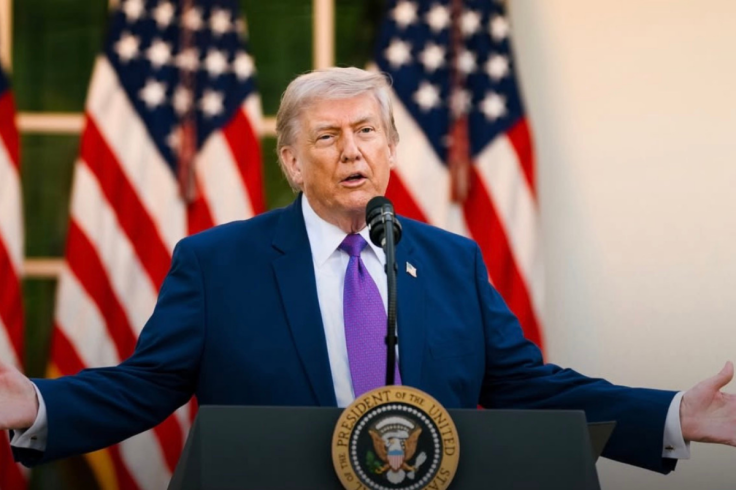
Fresh questions about what the US government knows regarding unidentified anomalous phenomena have resurfaced after President Donald Trump reportedly directed federal agencies to waive certain non disclosure agreements for former government employees and defence contractors.
The move is being described as a significant step towards greater transparency, allowing eligible witnesses to share information with authorised investigators without fear of violating previous secrecy agreements.
Although the directive does not automatically declassify any information, supporters believe it could encourage individuals who have remained silent for years to finally speak through official government channels.
Trump Opens the Door for Former Witnesses
According to a report discussed on the Psicoactivo podcast, President Trump has instructed the Department of War and the intelligence community to permit former government employees and contractors with relevant knowledge about unidentified anomalous phenomena, or UAPs, to cooperate with official investigations.
Rather than issuing a blanket declassification order, the directive focuses on removing legal barriers created by previous non disclosure agreements.
Under the new process, eligible individuals may meet with representatives from the Pentagon's All Domain Anomaly Resolution Office, known as AARO, or the President's UAP Task Force. During those authorised meetings, applicable non disclosure agreements can be waived, allowing witnesses to provide information without risking legal consequences.
A senior administration official quoted in the report said, 'President Trump recently directed the Department of War and the intelligence community to allow government employees or contractors that have relevant information about the disclosure of UAP to come forward and have their prior NDAs abrogated.'
The podcast host described the development as an important breakthrough, saying, 'This is pretty significant. I think that this is a great first step towards something that could lead to an executive order.'
The Directive Stops Short of Full Disclosure
Despite the excitement surrounding the announcement, administration officials stressed that the directive does not automatically release classified information to the public.
Instead, any testimony provided through authorised channels will first undergo existing government review and declassification procedures before any details can be disclosed publicly.
Officials explained that the purpose is to remove concerns among potential witnesses who believed their previous agreements permanently prevented them from cooperating with government investigations.
'People who believe that they have information have expressed reluctance in coming forward,' one official said. 'We are eliminating that source of reluctance.'
During the podcast, the host noted that even if the public does not immediately hear what witnesses reveal, investigators and members of Congress could gain valuable leads.
'Even though people are not going to find out what they reveal, people like Eric Burlison will, and he will know now which classified material he has to pursue,' the presenter said.
Years of UFO Claims Have Fuelled Pressure
The latest directive follows years of congressional hearings, whistleblower allegations and renewed public interest in unexplained aerial sightings.
Momentum increased after military videos showing unusual flying objects became public in 2017, prompting bipartisan calls for greater transparency.
More recently, former intelligence officer David Grusch alleged that secret UAP programmes had operated outside normal congressional oversight, although the Pentagon has rejected his central claims.
The discussion also highlighted comments made by senior Republican figures who previously argued that witnesses feared speaking publicly because of potential damage to their careers and security clearances.
© Copyright IBTimes 2026. All rights reserved.