

Judge Rules Trump's $1.8 Billion IRS Deal Invalid – Then Calls Lawsuit an Attempt to Manipulate the Courts
Judge Williams rules Trump's IRS lawsuit lacked genuine adversity, voiding $1.8 billion settlement
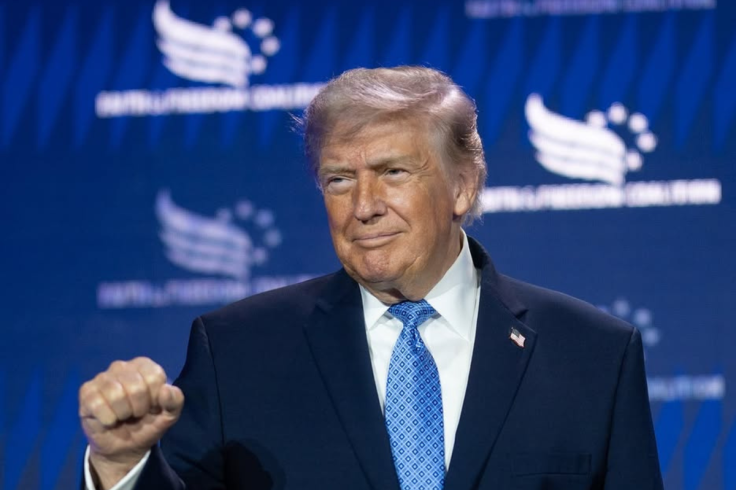
A federal judge has ruled that President Donald Trump's lawsuit against the Internal Revenue Service was filed for an improper purpose and has invalidated the resulting settlement agreement. Judge Kathleen M. Williams, of the US District Court in Miami, determined on Monday that the January 2026 action lacked any genuine adversity between the parties and amounted to an attempt to manipulate the courts to legitimise a controversial deal.
The settlement, concluded in May, established a fund of $1.8 billion (£1.3 billion) from public funds, offered a government apology and granted broad protections to Trump and his associates from IRS investigations. The ruling came after a group of former federal judges raised serious questions about the legitimacy of the process and petitioned successfully for the case to be reopened.
Background To Trump IRS Lawsuit
President Trump, his sons Donald Trump Jr and Eric Trump, and the Trump Organization launched the legal action on 29 January. They alleged negligence by the IRS in allowing former employee Charles Littlejohn to access and leak the president's tax returns. Littlejohn had earlier pleaded guilty to related offences. The suit sought substantial compensation and marked the first time a sitting US president had sued his own government in this way. Trump had said any money received would go to charity.
Proceedings concluded in May with a settlement between the plaintiffs and the Justice Department acting for the IRS. Under its terms, the government issued an apology, Trump entities received immunity from certain audits and actions including those linked to the 6 January 2021 events, and the taxpayer-backed fund was created to support claims of politicised prosecutions against the president's allies.
The Judge's Findings And Sanctions
Judge Williams issued a detailed 56-page order finding that the lawsuit had been brought in bad faith. She emphasised that there was no real dispute because President Trump controlled the executive agencies on one side and his personal legal team on the other.
She wrote that the suit and settlement represented 'to provide some legitimacy to an agreement to confer immunity to people and entities affiliated with the President and to earmark billions of dollars from American taxpayers to redress grievances not defined in the law'.
The settlement has been voided and the parties are barred from citing it as a valid agreement in future proceedings. Rule 11 sanctions were ordered against Trump's lawyers. The judge referred one of the attorneys, Alejandro Brito, to the Florida Bar for possible disciplinary action. She also sent her decision to the New York Bar amid investigations into acting attorney general Todd Blanche, whose Senate confirmation hearing is scheduled for later this week. The ruling quoted former president John Adams on the enduring nature of facts.
Implications For Legal And Political Processes
The ruling in the Trump IRS lawsuit reopens questions surrounding the original disclosure of Trump's tax returns and the backroom negotiations that led to the now-invalidated settlement. It is likely to feature prominently in the confirmation process for Todd Blanche as attorney general.
It remains unclear how the voiding of the agreement will impact any current or future IRS examinations involving Trump-related businesses. The case underscores the conflicts of interest that arise when a president initiates litigation against departments under his direct authority.
© Copyright IBTimes 2026. All rights reserved.