

Trump Ballroom Fiasco: Watchdog Exposes Patrons Snaring £40B In Contracts After Giving Cash
Behind the chandeliers and marble, the Trump ballroom fight is really about who gets closest to power, and what that access is worth.


President Donald Trump's planned £400 million ballroom in the East Wing of the White House is being bankrolled by major corporate donors who have collectively secured more than £40 billion in US federal contracts since the project began, according to a new watchdog report published in Washington this week.
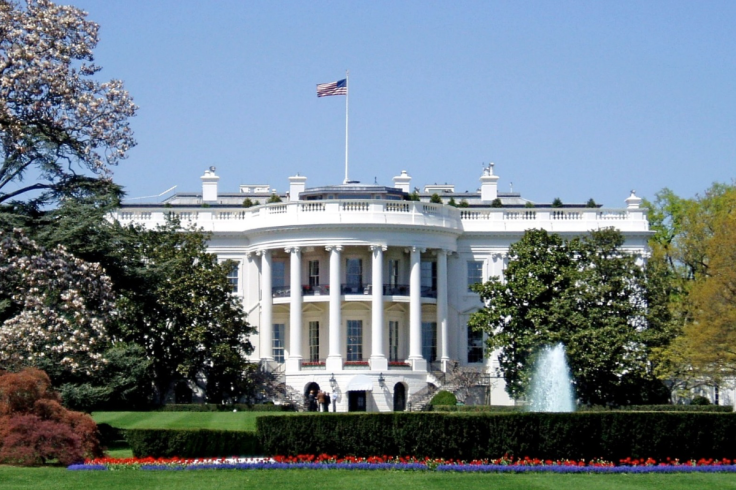
For context, the ballroom plan has been mired in controversy since Trump first announced in July 2025 that he wanted to demolish part of the East Wing and build a sprawling 90,000 square foot entertainment space. At the time, the price tag was pitched at around £200 million and framed as a necessary upgrade to host state events and strengthen national security. Costs have since doubled, bulldozers have already torn into the historic structure, and scrutiny has shifted to who is paying, and why.

The latest firestorm has been triggered by Public Citizen, a Washington-based non-profit that tracks corporate influence in US politics. In a new analysis of government contracting data, the group says 14 of the 27 known corporate donors to the Trump ballroom project have seen their federal business expand since making contributions, racking up a combined £40 billion in contracts in the last six months alone.
Jon Golinger, a public policy advocate at Public Citizen and one of the report's authors, did not mince his words. 'These giant corporations aren't funding the Trump ballroom fiasco out of the goodness of their hearts,' he told the Washington Post, arguing that the firms 'have massive interests before the federal government, and they hope to curry favour with, and receive favourable treatment from, the Trump administration.'
IBTimes UK cannot independently verify the figures in Public Citizen's report, so everything should be taken with a grain of salt. The Trump White House has not publicly responded to the specific allegations in the latest study.
Watchdog Details Who Gained From Trump Ballroom Contracts
The report names some of the biggest winners from the period since the East Wing demolition began. Defence contractor Lockheed Martin is said to have secured roughly £43.8 billion in new or expanded government contracts, making it by far the largest beneficiary among the donors.
Consulting heavyweight Booz Allen Hamilton reportedly followed with about £4.2 billion, while data analytics firm Palantir is listed as having received more than £1 billion in additional work from federal agencies.
According to Public Citizen, those three corporations are part of a broader pattern. Over the last five and a half years, 19 of the 27 known corporate donors have collectively been awarded £338 billion in federal contracts. The group argues that the spike in the latest six‑month window, coinciding with the ballroom build, should raise red flags for ethics regulators and Congress.
All three companies were contacted for comment by reporters but did not respond in time for publication, the watchdog notes. The absence of a rebuttal will only fuel suspicions among critics already convinced that the Trump ballroom has morphed into an influence machine dressed up as a construction project.
The White House has previously defended campaign and political donations as legal and transparent under US law. There has been no suggestion from federal authorities so far that any of the contracts identified in the report are unlawful or that formal procurement rules were breached.
Trump Ballroom Donors Also Facing Federal Scrutiny
Ironically, the watchdog points out that 16 of the known corporate donors to the Trump ballroom are simultaneously facing enforcement action or close scrutiny from Trump's own administration. That includes antitrust cases and merger reviews being handled by US regulators.
Technology giants Amazon, Microsoft and Google are all on that list, according to Public Citizen, and each has secured new or increased government contracts in the same period. On paper, they are both supplicants and adversaries, jostling for favour while fending off regulators. It is an awkward look.

The new analysis builds on a November report by the same organisation, which found that the donors already held £279 billion in US government contracts before the latest wave of awards. In other words, these are not plucky newcomers suddenly discovering philanthropy, they are entrenched federal suppliers with serious money on the line.
Ethics campaigners say that even if every contract was properly competed and signed off by civil servants, the optics are brutal. A president pushes through a controversial vanity project, his allies help round up corporate money to lessen the political pain of the cost, and some of those donors then see their federal revenue surge. The line between public service and private perk starts to look awfully thin.
A £400m Project And A Long Shadow Over Washington
It can be recalled that Trump originally framed the ballroom as a matter of statecraft, insisting that the US needed a larger, more secure venue at the White House to host world leaders and key diplomatic gatherings. The justification leaned heavily on the language of national security and prestige, not glamour.
Yet the scale of the project, now sitting at about £400 million and counting, and the decision to demolish part of the historic East Wing, triggered an immediate backlash from preservationists and good‑governance groups. The fresh spotlight on donor contracts adds a new, much sharper edge.
Public Citizen's latest report does not accuse the administration of explicit quid pro quo arrangements. Instead, it sketches a familiar Washington pattern, where access, donations and policymaking swirl together in a way that is technically legal but hard to defend in public. In a town that has seen a lot of questionable stuff, this still manages to stand out.
What happens next is less clear. The report could spur oversight hearings on Capitol Hill or fresh calls to tighten rules on donations linked to federal building projects. It may equally be folded into the wider partisan war over Trump's conduct in office and then quietly filed away.
For now, the steel and concrete of the new 90,000 square foot ballroom continue to rise where the East Wing once stood, while watchdogs argue that something less visible, and far more valuable, is being built at the same time, a network of corporate loyalties that will outlast any chandelier.
© Copyright IBTimes 2026. All rights reserved.