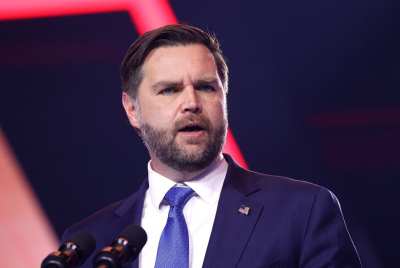
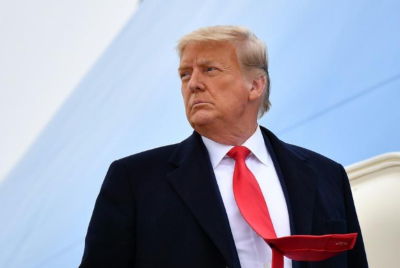
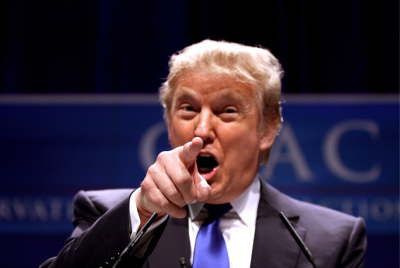
JD Vance Humiliated: Donald Trump Refuses to Name VPOTUS as Successor While He Listens From the Back
By dodging a simple question about 2028, Trump turned JD Vance's loyalty test into a public reminder that, in his orbit, no heir is ever secure.

President Donald Trump declined to name JD Vance as his political heir during an interview in the Oval Office on Monday 18 May, telling Fortune he could not say who should carry his legacy into 2028. According to reporting relayed by The Daily Beast, Vance was later seen standing at the back of the room while Trump gave his answer.
JD Vance, 41, is Trump's vice president and one of the Republicans most often mentioned as a likely contender once Trump leaves office. The succession question was put directly to Trump, with Donald Trump Jr, JD Vance and Florida senator Marco Rubio all presented as possible choices. His response did not amount to an endorsement for any of them.
Trump Sidesteps The Question
The Fortune interview, conducted in the Oval Office, turned to Trump's political legacy and who might be best placed to carry it forward. Rather than back anyone on the shortlist, the 79 year old stressed how high the stakes would be.
'Whoever gets this [job] is going to be very important,' Trump said. 'And if you get the wrong person: disaster.'
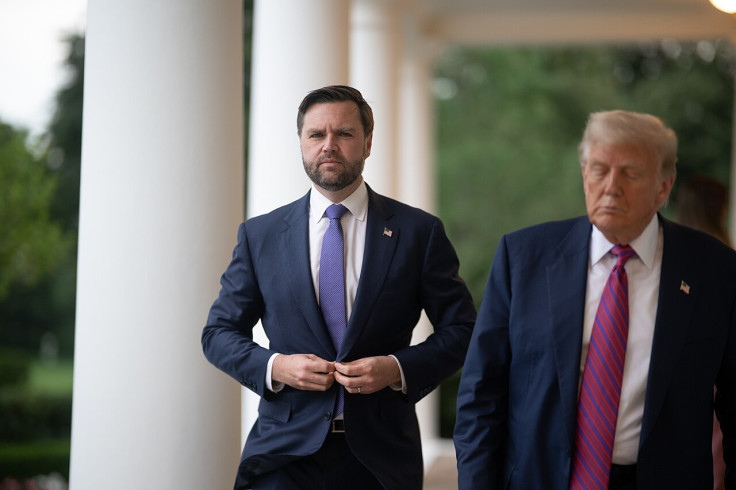
That line was typical of Trump's style, blunt and theatrical, but the timing made it awkward. Fortune editor in chief Alyson Shontell later said Vance had quietly slipped into the back of the room after the question was asked and could hear the president's answer. Trump did not acknowledge his vice president or alter his remarks.
In Washington, that kind of silence can speak volumes. Faced with a direct question about his own vice president, Trump chose to keep everyone guessing rather than offer Vance any public blessing.
Trump also appeared doubtful about whether the economic and diplomatic arrangements he has built could survive beyond his presidency. Asked whether his investment deals, diplomatic leverage and corporate commitments would outlast him, he said the model 'may not be transferable.'
'Can't answer that question,' Trump said. 'I don't know. I mean, it's not going to happen again.'
Taken together, the remarks suggest a president who sees himself as uniquely difficult to replace and is in no hurry to identify anyone who might inherit his approach.
A Quiet Republican Rivalry
For Vance, the moment fits a broader pattern. Globe has pointed to reports suggesting he and Marco Rubio are competing for Trump's approval, each trying to position himself as the more credible keeper of the MAGA movement.
In a late April post on Rob Shuter's Naughty But Nice Substack, one source described Vance and Rubio as 'absolutely rivals.' The insider claimed Trump recently asked donors at Mar a Lago who they saw as the next leader of the Republican Party, prompting loud support for Rubio.
'The room erupted for Rubio. People were openly cheering his name,' another source told Shuter. 'JD saw it, and JD clocked it. He pays very close attention to who is getting Trump's attention, and who is not.'
None of those accounts is on the record, but they fit a familiar Trump pattern. He has long used loyalty tests and public ambiguity to keep would be successors off balance, preserving his own leverage over the field.

Seen that way, his refusal to name Vance looks less like an oversight and more like a calculated choice. A clear endorsement would narrow his options, while uncertainty keeps Vance, Rubio and even Trump Jr competing for attention.
For Vance, the optics are still difficult. He is already seen in some Republican circles as Trump's protégé, a former critic turned loyal ally who won the vice presidency by proving his allegiance. Standing at the back of the Oval Office while Trump declined to say he should carry the torch only reinforces how conditional that favour can be.
For Rubio, the reported support in the donor room offers a small but meaningful counterpoint. If those accounts are accurate, they suggest there is at least one part of Trump's orbit where Rubio's name still carries real energy when the conversation turns to the post Trump era.
Trump, meanwhile, appears content to leave the question open. His answer suggests he sees his movement as bound tightly to his own style and personality, with no obvious successor ready to replicate it.
None of the rivalry described in the Globe and Substack reports has been publicly confirmed by the White House, Vance or Rubio. Until any of them speak directly about 2028, claims about who is ahead in the race should be treated cautiously.
© Copyright IBTimes 2026. All rights reserved.
- Recommended For You