President Trump Wants to Send US Citizens Exposed to Ebola to a Makeshift Provisional Facility in Kenya
KEY POINTS
- US plans to establish a temporary Ebola treatment centre in Kenya, sparking debate over patient care and international health responsibilities.
- White House unveils overseas Ebola containment proposal
President Donald Trump's administration is reportedly preparing a controversial new strategy that would see Americans exposed to Ebola abroad sent to a temporary treatment and quarantine centre in Kenya rather than being transported back to the United States.
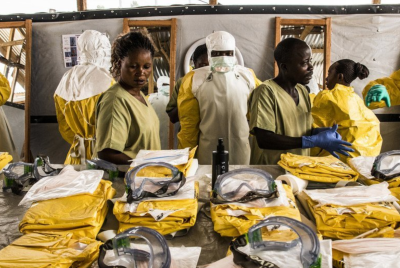
The proposed facility, which is said to involve cooperation between the Departments of Defense, State, and Health and Human Services, would reportedly serve as an emergency medical hub for patients requiring urgent care after exposure to the deadly virus in Central Africa.
Overseas Ebola Containment Proposal
Officials familiar with the discussions claim the aim is to avoid lengthy medical evacuations to the United States while keeping potential Ebola cases far from American soil. The plans emerge as health authorities continue battling a worsening outbreak in the Democratic Republic of the Congo, where the spread of the virus has alarmed international agencies.
'We cannot and will not allow any cases of Ebola to enter the United States.'
- Marco Rubio -
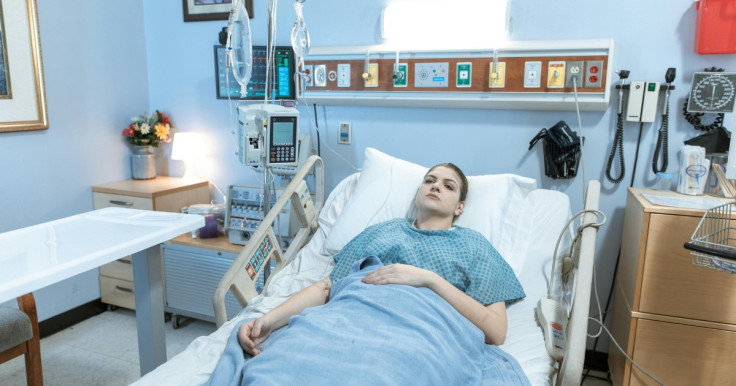
Although details remain limited, the proposed centre is expected to handle a range of Ebola-related cases, from quarantine monitoring to critical treatment. However, questions remain over where exactly the site would be built and whether the Kenyan government has formally approved the arrangement.
Kenya's Health Minister Aden Duale confirmed discussions with US officials regarding Ebola preparedness but stressed that any agreement would need to comply with Kenya's national health laws and biosafety regulations.
Medical Experts Raise Concerns Over Patient Care
The proposal has already triggered intense debate among public health experts, many of whom warn that the quality of care provided at an improvised overseas facility must match the standards available in specialised American hospitals.
Dr Ali Khan, a veteran infectious disease expert who previously helped lead international Ebola response operations, said reducing patient movement can often be medically beneficial during outbreaks. However, he stressed that infection control and advanced treatment standards are critical for survival.
Others have criticised the idea more sharply. Dr Craig Spencer, an emergency medicine physician who survived Ebola after contracting the virus in 2014, questioned whether a temporary centre in Kenya could provide the same level of treatment available in the United States.
He argued that refusing to repatriate infected American citizens could undermine the country's responsibility to protect its own nationals during international health emergencies.
The debate reflects broader concerns about how governments respond to highly infectious diseases in an era of rising global travel and geopolitical tension. Ebola remains one of the world's deadliest viruses, capable of causing severe bleeding, organ failure and death if not treated rapidly.
Trump's Longstanding Position On Ebola Patients
The reported plan closely mirrors comments Donald Trump made more than a decade ago during the devastating West African Ebola outbreak of 2014 and 2015.
At the time, several infected American aid workers and medical staff were flown back to the United States for treatment in specially designed isolation units. Trump, then a businessman and television personality, publicly criticised the decision and argued that patients should instead be treated overseas.
In social media posts during the crisis, he insisted that infected individuals should remain abroad while receiving high-level care near outbreak zones.
Now back in the White House, Trump appears to be putting that approach into action as his administration intensifies efforts to prevent Ebola from entering the United States.
Secretary of State Marco Rubio said federal agencies were working aggressively to contain the outbreak within affected regions, particularly in Congo. He declared that the administration would not allow Ebola cases to cross into American territory.
At the same time, the US government has expanded airport screening procedures for passengers arriving from outbreak areas. Enhanced health monitoring operations are now active at several major international airports, including facilities in Washington, Atlanta, Houston and New York.
Congo Ebola Outbreak Fuels Global Alarm
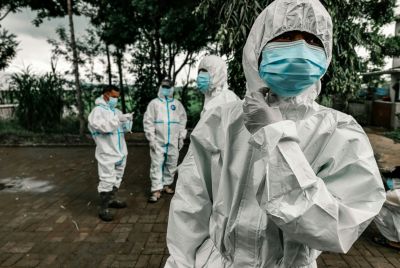
The administration's actions come as the Ebola outbreak in eastern Congo continues to escalate. Health authorities are struggling to contain the virus amid armed conflict, poor infrastructure and mass population displacement.
Officials investigating the outbreak say hundreds of suspected Ebola cases have already emerged, while thousands of people are being monitored after potential exposure to infected individuals.
Recent cases involving American citizens have intensified concern. Earlier this month, US doctor Peter Stafford, who was working in Congo, tested positive for Ebola and was transferred to Germany for treatment. His family members were also isolated as a precaution.
Another American missionary doctor, Patrick LaRochelle, was transported to the Czech Republic for monitoring after possible exposure to the virus.
Meanwhile, the United States has imposed temporary travel restrictions affecting non-citizens and green-card holders who recently visited Congo, Uganda or South Sudan.
With fears growing over international transmission, the proposed Kenya facility could become a defining part of America's evolving strategy to combat deadly outbreaks beyond its borders.
© Copyright IBTimes 2026. All rights reserved.
- Recommended For You