Second Congo Ebola Treatment Tent Burned In Burial Clash, Escalating Community Transmission Risk
Fleeing patients and cultural clashes exacerbate Ebola outbreak in Eastern Congo
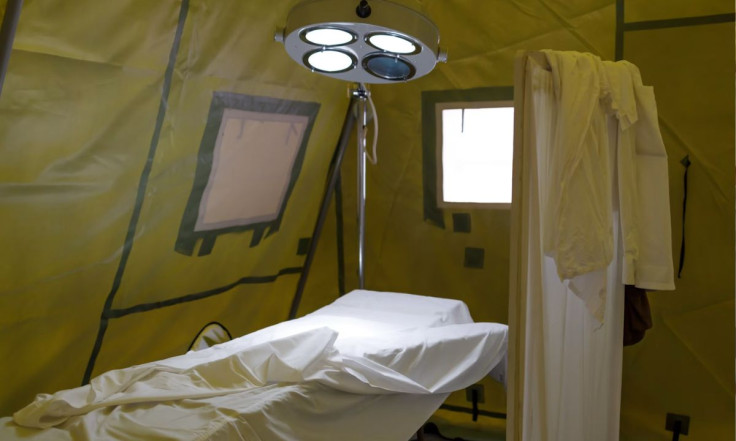
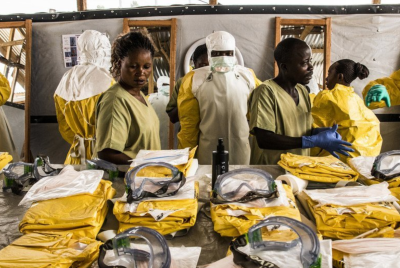
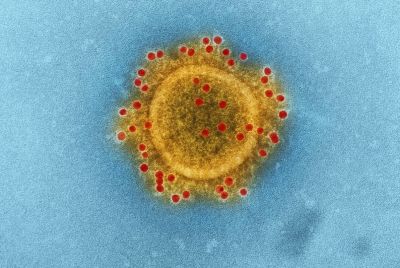
An Ebola treatment tent operated by Doctors Without Borders in eastern Congo has been burned by residents, the second such attack in one week. The facility in Mongbwalu managed patients infected with the Bundibugyo virus, a rare Ebola strain.
No casualties were reported in the attack. However, 18 patients suspected of carrying the virus fled the burning structure and remain unaccounted for, raising concerns about further community transmission.
How Fleeing Patients Threaten Wider Outbreak Zones
The destruction unfolded late on Friday evening at the Doctors Without Borders encampment in Mongbwalu. Dr Richard Lokudi, the Mongbwalu hospital director, detailed the situation. 'We strongly condemn this act, as it caused panic among the staff and also resulted in the escape of 18 suspected cases into the community,' he stated.
This follows a similar incident on Thursday in the neighbouring town of Rwampara, where another treatment centre was burned by residents. The destruction was provoked when officials prevented families from claiming the body of a local man suspected of dying from Ebola.
Why Restrictive Burial Practices Provoke Fierce Resistance
Ebola victims remain highly infectious after death, often acting as primary vectors for viral spread during traditional funeral preparations. Public health officials are requiring that only trained professionals handle the burial of suspected victims. These measures frequently clash with cultural traditions around death and mourning.
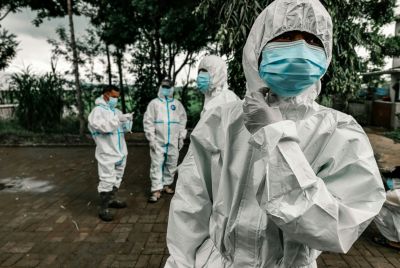
Health workers conducted a communal burial for deceased patients in Rwampara on Saturday. David Basima, a Red Cross team leader overseeing burials, said the team 'experienced a lot of difficulties, including resistance from young people and the community.' Armed police units guarded personnel as they interred the sealed coffins.
The mounting resistance forced burial teams to seek state protection. Basima said: 'We were forced to alert the authorities so that they could come to our aid, just for safety.' Regional leaders officially banned all funeral wakes and gatherings exceeding 50 people on Friday.
WHO Confirms 82 Cases and Warns Actual Toll Is Higher
The World Health Organization has officially elevated the regional threat level to 'very high', though global risk remains low. WHO Director-General Tedros Adhanom Ghebreyesus confirmed 82 cases and seven deaths on Friday, warning that the actual outbreak is believed to be 'much larger'.
Surveillance teams have flagged 750 suspected cases alongside 177 suspected deaths. The Red Cross confirmed three Mongbwalu volunteers died, with the agency suspecting they contracted the illness on 27 March while managing corpses, predating the recognised late April outbreak start in Bunia.
Eighteen suspected Ebola patients escape after treatment tent is set on fire for a second time in Congo https://t.co/pg0QuhWp0z
— BirdieBittern (@BirdieBittern) May 23, 2026
US Restricts Entry for Green Card Holders Who Visited Congo or Uganda
Reacting to the deteriorating African situation, American authorities announced severe entry prohibitions on Friday night. The mandate restricts green card holders who have recently visited Congo, Uganda, or South Sudan from returning. South Sudan was included despite having zero confirmed Ebola cases so far.
Officials argue these restrictions ensure rigorous screening and quarantine protocols remain available for returning citizens. Certain federal agencies possess the ultimate authority to enforce these strict immigration orders immediately.
The involved government departments did not immediately respond to press requests regarding the exact enforcement logistics. Ultimately, intense local containment protocols and stringent international border surveillance are absolutely required to halt the deadly virus entirely.
© Copyright IBTimes 2026. All rights reserved.
- Recommended For You