

New York Times Fights 'Intimidation' as Explosive Subpoena Battle Erupts Over Security Leak
The Trump administration escalates a high-stakes legal clash with The New York Times, subpoenaing reporters and seizing phone records over a security report concerning the new Air Force One.
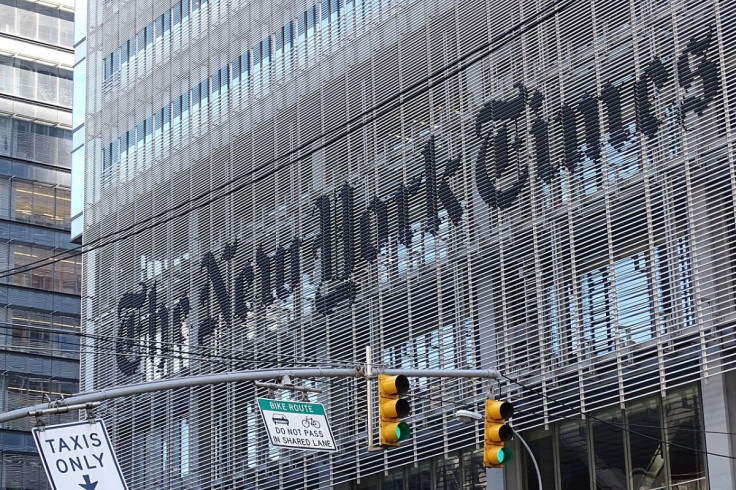
The Trump administration has launched an aggressive legal action against The New York Times, subpoenaing several of its journalists in a dramatic escalation over reports about security concerns involving US President Donald Trump's new Air Force One aircraft.
The move has intensified a high-stakes clash between the White House and one of America's biggest newspapers.
The controversy stems from reports claiming that the Boeing 747 donated by Qatar lacked some of the defensive systems fitted to the previous presidential aircraft.
According to the report from January, security officials recommended that Trump travel to the NATO summit aboard the older Air Force One instead.
The Justice Department says it is investigating the unauthorised disclosure of classified information, while The New York Times insists its reporting served the public interest and relied on protected journalistic practices.
Newspaper Challenges the Subpoenas
The New York Times has asked US District Court Judge Arun Subramanian in Manhattan to throw out the subpoenas, saying that they violate long-standing legal protections for journalists. The newspaper says prosecutors are attempting to force reporters to reveal confidential sources, something it believes would damage investigative journalism and discourage whistleblowers from coming forward in future, per Reuters.
'The Government's actions violate the most basic First Amendment protections for newsgathering activity,' the filings written by the NYT legal team read. 'They represent the latest salvo in an escalating series of attacks on journalists to intimidate them from engaging in reporting that the Trump Administration openly detests.'
In addition, the newspaper also argues that the government's actions go beyond the reporters themselves, claiming in court filings that investigators sought phone records connected to journalists and some of their relatives. The Times says this demonstrates an overly broad investigation rather than a narrowly focused inquiry into a specific leak.
The Times also said in court filings that the FBI obtained phone records for five reporters, along with the partners of two of them, and the mother of another. Because the newspaper was not informed at the time, it was unable to ask a court to intervene before the records were accessed.
Judge Steps Into High-Stakes Dispute
The case is now before Judge Subramanian, who temporarily paused enforcement of the subpoenas while both sides present their legal arguments. Prosecutors have requested additional time to consider their next steps, while lawyers representing The New York Times, led by David A. O'Neil of Debevoise & Plimpton, are seeking to have the subpoenas permanently dismissed.
The newspaper argues that compelling its journalists to reveal confidential sources would undermine protections for the press, while the Justice Department says the subpoenas are part of its investigation into the alleged leak of classified information about President Donald Trump's new Air Force One. The judge has yet to rule on whether the subpoenas will stand.
Broader Implications for Press Freedom
While previous Republican and Democratic administrations have also pursued journalists in leak investigations, press freedom groups say that the current administration has taken a more aggressive approach, citing subpoenas and legal actions involving major news organisations such as the Washington Post and Wall Street Journal.
Media organisations have claimed that Trump uses government authority to pressure and intimidate the press.
Now, press freedom organisations and advocacy groups have rallied behind the publication, viewing the subpoena blitz as part of an increasingly hostile executive posture toward mainstream media outlets.
The current case highlights a deepening friction between national security imperatives and constitutional protections for newsgathering.
As Judge Subramanian weighs whether the government's investigative demands can legally stand, the outcome will set a vital precedent for how future leaks, journalistic sources, and federal subpoenas intersect in American law.
© Copyright IBTimes 2026. All rights reserved.