

Cyber Attacks, Extreme Weather and Infrastructure Failures: Why the UK Wants Households Better Prepared
Ministers urge households to prepare for diverse emergencies as cyber threats, extreme weather, and geopolitical tensions rise.
From cyber attacks that could disrupt banking and communications to extreme weather capable of cutting power supplies and damaging transport networks, the UK government says the risks facing households are becoming more varied—and more frequent.
That is why ministers are urging people to take simple steps to prepare for national emergencies at home. The guidance forms part of a new national resilience strategy that reflects what officials describe as a changing threat landscape, where cyber attacks, infrastructure failures, severe weather and geopolitical tensions are increasingly capable of disrupting everyday life. Rather than encouraging stockpiling or causing alarm, the government says the aim is to help households become more resilient when unexpected events occur.
Officials argue the advice marks a broader shift in how the UK approaches national security. Instead of preparing for one major crisis at a time, ministers believe the country must now be ready for multiple overlapping risks that could affect essential services simultaneously. The goal, they say, is to ensure communities can cope with temporary disruption while emergency services focus on the most urgent situations.
Why the Government's Thinking Has Changed
The updated resilience strategy reflects lessons learned from recent years, including the COVID-19 pandemic, destructive storms, cyber incidents and growing international instability.
Russia's invasion of Ukraine has reinforced concerns about national resilience, while increasingly sophisticated cyber attacks have highlighted the vulnerability of critical infrastructure. At the same time, more frequent flooding, heatwaves and severe storms have demonstrated how extreme weather can quickly disrupt transport, healthcare and energy networks. Officials say these risks should no longer be viewed in isolation because they can occur alongside one another, creating wider disruption than a single emergency alone.
The Threats Officials Are Preparing For
Cyber attacks remain one of the government's greatest concerns because they have the potential to interrupt banking systems, mobile communications, electricity supplies and other essential services that millions of people rely on every day. Infrastructure failures, whether caused by technical faults, cyber incidents or extreme weather, could also interrupt transport, water supplies and telecommunications for extended periods.
Geopolitical tensions are another factor shaping the government's planning. Ministers say international conflicts can have domestic consequences through pressure on energy supplies, supply chains and national infrastructure, making household resilience increasingly important during periods of uncertainty.
Michael Clarke, former director-general of the Royal United Services Institute, has previously argued that modern resilience depends not only on government planning but also on how well communities are prepared to respond when essential services are disrupted. Security analysts increasingly view civilian preparedness as an important part of national resilience rather than simply an emergency response measure.
What Households Are Being Asked to Do
Despite the wider range of risks, ministers insist the message is one of preparation rather than panic.
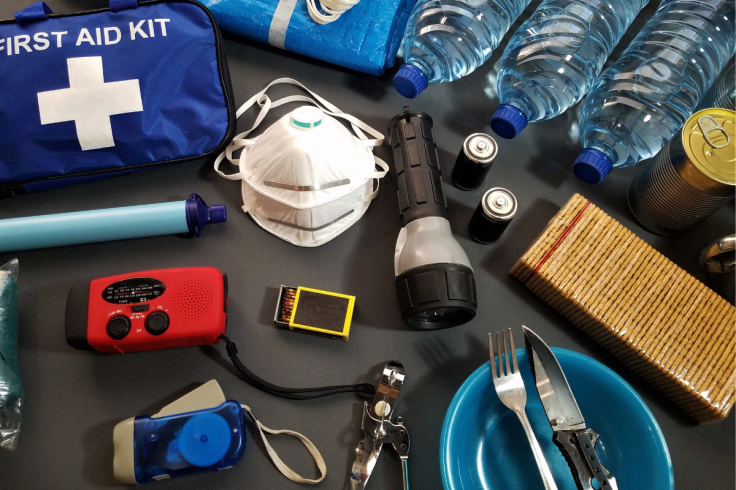
Households are being encouraged to know where to access trusted official information during emergencies, discuss simple contingency plans with family members and keep basic essentials available in case temporary disruption affects power, communications or transport. Officials have emphasised that the guidance is not a call to stockpile supplies but an effort to improve everyday resilience through practical, proportionate planning.
The government's message is not that a national emergency is imminent. Instead, ministers argue that preparing households before a crisis occurs—whether that involves a cyber attack, prolonged power outage, severe storm or other major disruption—can reduce confusion, strengthen community resilience and allow emergency services to concentrate on those who need immediate assistance most. As the UK's threat landscape continues to evolve, officials believe that simple preparation today could make a significant difference when the unexpected happens.
© Copyright IBTimes 2026. All rights reserved.