Why Heat Is Europe's Silent Killer: 88% of 1,300 Deaths Were Elderly People Dying Alone in Private Homes
Europe's extreme heat has exposed how older people living alone are among the most at risk, as officials warn more deadly summers may follow.
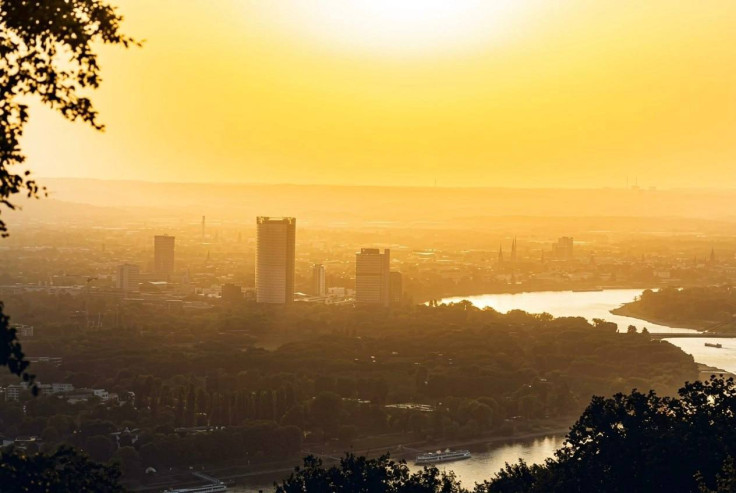
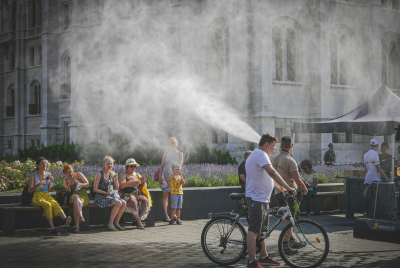
The World Health Organization says more than 1,300 excess deaths have been recorded across Europe since 21 June 2026 during the record heatwave, with 88 per cent of those who died being elderly people found alone in private homes. Officials warn that most had no one checking on them, underlining why extreme heat is being described as one of Europe's 'silent' killers.
WHO Director-General Tedros Adhanom Ghebreyesus shared the figures on X, saying that 'hundreds have perished, schools are closed, and power grids are under strain' as around 150 million Europeans face extreme temperatures.
Europe is the fastest-warming continent on Earth, heating at twice the global average. Right now 150 million people are living under extreme heat, hundreds have died, schools are shut, grids are buckling.
— Tedros Adhanom Ghebreyesus (@DrTedros) June 28, 2026
Driven by climate change and global warming, the phenomenon of the…
Europe Heatwave 2026 Claims Over 1,300 Lives
France alone recorded 1,000 excess deaths during the heatwave, with Public Health France confirming that 85 per cent were aged 65 and over in areas under red alert for heat. The numbers have put a human face on a wider Europe heatwave 2026 that has pushed hospitals, emergency services and energy systems under pressure.
Heat often causes fatalities without a single dramatic incident to signal danger. Victims can die quietly in beds, chairs or apartments before anyone realises what has happened. The WHO says older people living alone are among the most vulnerable, particularly when high temperatures build up in homes designed to retain heat in winter rather than stay cool.
NEW - Paris morgues ARE OVERFLOWING from heat-related deaths
— Tablesalt 🇨🇦🇺🇸 (@Tablesalt13) June 29, 2026
morgues are now seeking permission for refrigerated containers
The mayor of Paris has also authorized additional body storage units at City morgues.
In Europe, you only get A/C once you're dead. pic.twitter.com/Yz5ixq0EZd
Climate Change And Rising Heat Deaths
Over the past 20 years, there has been a 30 per cent increase in heat-related mortality across the WHO European Region, with around 175,000 heat-related deaths occurring annually between 2000 and 2019. Scientists from Imperial College London found that climate change tripled heat-related deaths in an early-summer European heatwave, estimating that roughly 2,300 people died across 12 cities and that about 1,500 of those deaths were linked to climate change.
The WHO says the European Region is warming twice as fast as the rest of the world, with temperatures rising at about twice the global average rate. Officials say that trend is turning extreme heat into a recurring public health emergency rather than an occasional weather event, especially when El Niño conditions add to already elevated temperatures.
Why Europe Is So Exposed To Deadly Heat
WHO/Europe has warned that the region's heat risk is shaped not only by outdoor temperature, but by how cities, health systems and homes are built. Its guidance says heat‑health action plans are essential tools because they link weather warnings, public messaging, health services and local support before temperatures reach dangerous levels.
More than 20 countries in the region already have such plans in place, but the WHO says that is still not enough to protect every community. The agency's updated guidance highlights measures such as stronger alert systems, cooler public spaces, better coordination with social services and extra attention for older people, children, outdoor workers and people with existing health problems.
How To Reduce The Toll From Extreme Heat
The WHO says many adverse health effects of hot weather are preventable. Its annual #KeepCool campaign urges people to keep out of the heat, stay in the shade and avoid strenuous activity during the hottest part of the day. It also advises spending two to three hours in a cool place if possible, keeping homes cooler with blinds or shutters, wearing light clothing, drinking water regularly and avoiding alcohol or caffeinated drinks that can worsen dehydration.
WHO/Europe says families, friends and neighbours should check on older people who spend much of their time alone, especially during heatwave 2026 when symptoms can escalate quickly. The question for governments and communities is whether that advice will translate into action before another period of extreme heat arrives and heat‑related deaths rise again.
© Copyright IBTimes 2026. All rights reserved.
- Recommended For You