

US Army Blows up Five Tons of Unstable Lead Azide in Iowa Town After EPA Warned of Spontaneous Explosion Risk
Federal monitors reported zero airborne lead after the blast, but the soil is still being tested
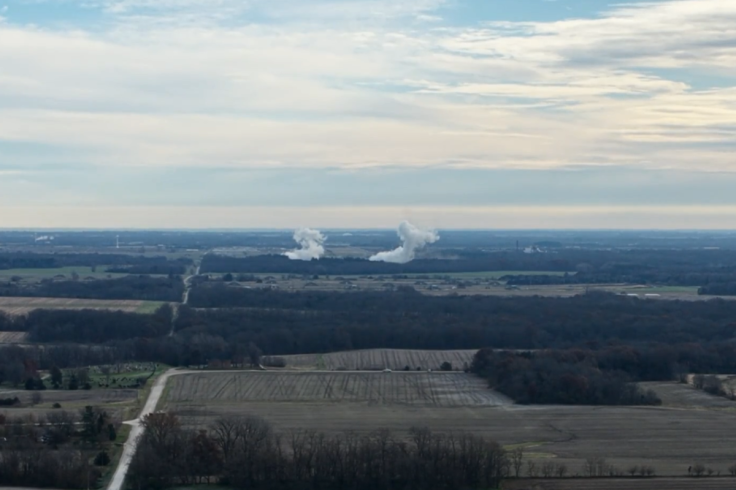
The US Army blew up nearly five US tons (4,536 kg) of unstable lead azide at its Middletown, Iowa plant on Wednesday, 25 November, days after the Environmental Protection Agency (EPA) warned the crystallised stockpile stored at the military facility could explode entirely on its own.
The controlled operation destroyed the material after the Army determined that moving it would pose unacceptable safety risks. According to Associated Press reporting, the nation's entire stockpile of lead azide has now been destroyed.
A Stockpile Too Dangerous To Move
The Army discovered the degrading material in March 2026. The stockpile, used in the manufacture of detonators, had deteriorated to the point where military officials considered an uncontrolled explosion a serious threat to the surrounding community.
Robert Cekada, director of the Bureau of Alcohol, Tobacco, Firearms and Explosives, warned of the danger posed by an uncontrolled explosion. The Army also warned that approaching winter weather increased concerns about the deteriorating material.
My drone video of the #Iowa detonation moments ago. #detonation #army https://t.co/CNnbJ8sgwo
— James Wilson (@nmjameswilson) November 25, 2026
What the EPA Warned Before the Blast
The EPA didn't treat this as routine. It issued an emergency permit on 13 November under the Resource Conservation and Recovery Act, authorising the in-place detonation after finding the material posed an 'imminent and substantial threat to human health and the environment'.
That warning is the reason a small Iowa community became the site of a deliberate explosion. Lead is a neurotoxin with no established safe level of exposure for children, who are particularly vulnerable to its harmful effects on brain development and health.
The planned blast drew public opposition, including concerns about potential lead contamination in the surrounding residential areas. The detonation went ahead after a federal appeals court lifted a temporary stay on 23 November, following a legal challenge by the Iowa Environmental Council and the Sierra Club's Iowa chapter.
The Town Urged To Leave
The Federal Emergency Management Agency (FEMA) funded hotel stays through 27 November for residents in designated areas around the plant, with relocation starting the day before the blast. Other affected residents received guidance on sheltering indoors and reducing potential exposure to lead dust.
The Army introduced protective measures intended to limit environmental contamination during the operation. Federal agencies also prepared emergency response resources and established environmental monitoring arrangements to assess the impact of the blast on surrounding homes, farmland, and communities.
No Airborne Lead Detected
The operation appears to have succeeded, at least on first readings. The EPA reported that its real-time air monitors had detected no airborne lead across the region one hour after the blast. Environmental monitoring continued following the initial announcement to assess potential health risks.
Iowa Governor Kim Reynolds said early feedback from state and federal experts pointed to a successful operation. In her official statement, Reynolds confirmed that state agencies would continue monitoring air, soil, and water quality following the controlled military detonation.
For residents who spent days preparing for an explosion in their backyard, relief comes with a catch. The EPA has committed to continued environmental sampling and cleanup where necessary, a sign the ground is still being checked for the metal the blast was meant to contain.
© Copyright IBTimes 2026. All rights reserved.