

USDA Warns Iowa Lead Blast Could Hit 350 Farms as Farmers Told to Watch Cattle for Abortions and Death
Producers have been advised to protect feed and water, monitor animals for poisoning and prepare for an uncertain downwind impact zone
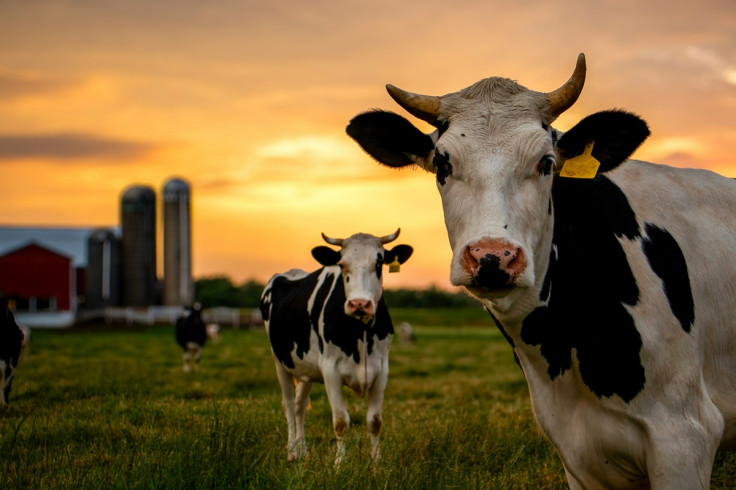
The US Department of Agriculture has warned that as many as 350 farms in Iowa and Missouri could be affected by a lead-laced dust plume from the US Army's planned detonation of explosives, prompting calls for livestock producers to prepare and watch cattle for signs of poisoning.
The Army is scheduled to carry out two controlled detonations of degraded lead azide at the Iowa Army Ammunition Plant in Middletown on Wednesday, 25 November. The operation could release lead particles that travel downwind and settle on soil, buildings, feed and outdoor water sources.
Richard Fordyce, the USDA's under secretary for farm production and conservation, said federal agencies had protocols to ensure food entering the supply chain was free of heavy metals, including lead. However, the projected plume has left farmers uncertain whether their land and animals could be exposed.
Farmers Urged to Protect Livestock
Lead is highly toxic to ruminants, including cattle, sheep and goats. Jim Lowe, executive associate dean of the University of Illinois College of Veterinary Medicine, said exposure could cause illness, abortions and death.
Farmers in potentially affected areas have been advised to establish baseline soil and feed tests, protect water supplies and keep animals indoors. Shannon Welsh, president of the Illinois Beef Association and a cattle producer in Blandinsville, Illinois, urged farmers around Hancock County to remain vigilant.
Welsh advised producers to check breeding records to identify possible abortions after the blast, and arrange fresh water if dust affects outdoor supplies.
Illinois Department of Agriculture guidance recommends moving livestock away from the potential exposure area where possible. If relocation is not possible, animals should be sheltered in enclosed barns or sheds. Outdoor feed and water should be moved inside or covered. Exposed feed should be discarded, while contaminated water tanks should be drained and refilled.
Animals should remain sheltered until officials confirm the plume has passed. Afterwards, potentially exposed livestock should be washed and monitored for symptoms including sudden death, loss of appetite, weight loss, muscle tremors, seizures, blindness or poor coordination. Veterinarians can arrange lead testing.
Plume Projections Remain Uncertain
The latest estimates suggest the dust could affect farms across parts of Iowa and Missouri, although wind direction will determine where particles settle. Earlier forecasts for a previous planned date pointed towards Illinois, showing how the projected impact zone shifted as the Army rescheduled the operation.
The detonation has been delayed several times amid public concern, legal challenges, and political pressure. The Army said it found no viable alternative to a controlled blast, arguing that the degraded material could pose a greater danger if it detonated spontaneously.
Not all experts believe widespread soil contamination is likely.
University of Illinois soil scientist Andrew Margenot has argued that lead deposited across a broad area would be diluted, noting that it is already naturally present in soil. He cautioned that people and animals close to the blast or directly beneath the plume could face more immediate exposure concerns.
The USDA has sought to reassure consumers that food safety protocols are in place. For farmers, the immediate task is protecting livestock and documenting conditions before the detonation. With the plume's path uncertain, producers are being urged to follow state guidance and contact veterinarians if they suspect exposure.
© Copyright IBTimes 2026. All rights reserved.