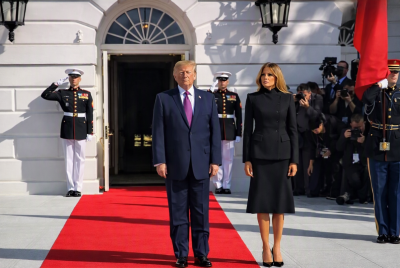
Trump Presidency in Peril as Inflation Forecast Shows Prices Surging Past 5%—Fuel Costs and Iran War Backlash Mount
Rising fuel costs and political tensions with Iran could push US inflation beyond 5%, impacting Trump's political standing

A new economic forecast has delivered troubling news for the White House. Analysts now warn that inflation in the United States could surge beyond 5 percent this year, driven largely by rising fuel costs linked to the escalating conflict with Iran.
The surge threatens to undo one of the key political advantages that helped Donald Trump win the presidency. High grocery and energy prices once defined the economic frustration voters felt during the previous administration. Now those same pressures risk returning at an even higher level, placing Trump's leadership and political future under intense scrutiny.
Rising Inflation Numbers
The latest analysis suggests that inflation in the United States may climb past 5 percent in the coming months. That figure would represent a sharp increase compared with the roughly 3 percent rate recorded when the previous administration left office.
Economists say the rise is being driven largely by surging energy prices, which ripple across the wider economy. When fuel becomes more expensive, transport costs increase and businesses pass those costs on to consumers through higher prices.
Officials at the Federal Reserve have already acknowledged growing concern. Recent comments from policymakers indicate that short term inflation expectations have begun to rise again, a sign that both businesses and consumers expect prices to continue climbing.
If inflation continues accelerating, the Federal Reserve may be forced to keep interest rates high or even raise them further. Such a move could slow economic growth and create additional pressure for households already struggling with rising living costs.
For the Trump administration, the timing could not be worse. The president had repeatedly promised during his campaign that prices for everyday goods would fall.
Iran Conflict Disrupts Oil Supply
Much of the inflation surge is linked to turmoil in global energy markets. Fighting in the Middle East has disrupted oil supply routes and created uncertainty across the global market.
One of the biggest concerns centres on the Strait of Hormuz, a narrow shipping route through which a large portion of the world's oil supply passes. Reports that the area may be mined or blocked have rattled markets and pushed oil prices sharply higher.
The impact is already visible at fuel stations across the United States. Petrol prices have risen quickly, with the national average approaching four dollars per gallon. Diesel prices have climbed even higher in some regions.
Higher fuel costs do not just affect motorists. Industries that depend on transport such as agriculture, shipping, and construction are also facing increased expenses.
These higher costs then spread through the wider economy, raising the price of food, manufactured goods, and everyday necessities.
For many Americans, the result is simple but painful. Filling a vehicle now costs significantly more each week, leaving less money available for other household needs.
War Spending Adds Pressure on the Economy
Economic concerns are also growing around the financial cost of the ongoing military operation in Iran. Reports indicate that the Pentagon has requested an additional 200 billion dollars to support the conflict.
Critics argue that such spending places further strain on government finances at a time when domestic programmes are already facing cuts.
Some analysts say that money directed towards the war could otherwise fund healthcare programmes, infrastructure projects, or social support initiatives.
At the same time, the conflict has proven politically divisive. Opinion polls show that public support for the war remains limited, with many voters questioning its purpose and long term consequences.
The longer the conflict continues, the greater the risk that rising costs and political dissatisfaction will merge into a larger economic backlash.
Political Risks Grow
The economic and political pressures are now converging as the United States approaches another election cycle. Inflation, fuel prices, and foreign policy are all issues that voters often judge closely when deciding how to vote.
Ironically, rising grocery and fuel prices were among the central issues that helped propel Donald Trump back into power. During his campaign he frequently promised that his administration would bring down the cost of everyday goods.
If inflation climbs above 5 percent as predicted, that promise may become harder to defend.
Political analysts warn that rising costs could become a defining issue in the upcoming midterm elections. Voters feeling financial pressure at home often express their frustration at the ballot box.
© Copyright IBTimes 2026. All rights reserved.
- MOST POPULAR IN World