

Trump Labelled 'The Biggest Loser Of Any President' By Peter Schiff As US Trade Deficit Hits $149.5B
A widening trade deficit has reignited the debate over whether Trump's tariffs are delivering on their promises
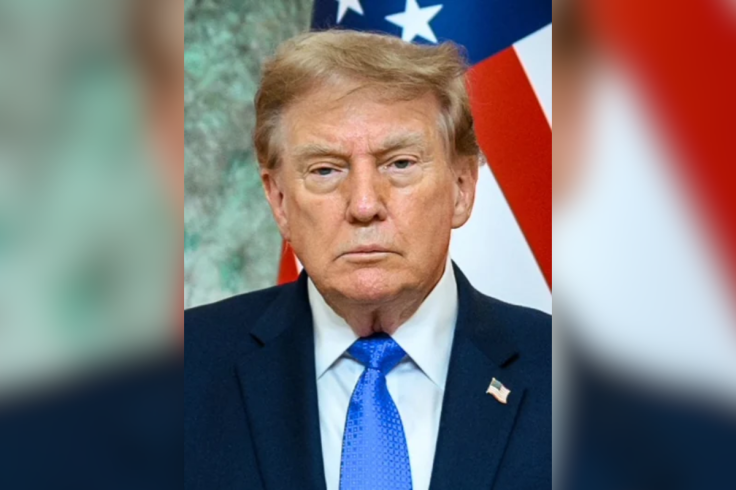
US President Donald Trump's trade strategy has come under renewed scrutiny after the latest US Census Bureau advance report showed the country's goods trade deficit widened to $149.5 billion (£114.13 billion) in October. Economist Peter Schiff branded him 'the biggest loser of any president' on trade. Schiff made the remarks on Friday after the Census Bureau reported the deficit had risen 10.7% from the previous month and had more than doubled compared with October 2025.
Trump has made tariffs a central part of his second-term economic agenda, arguing that higher import taxes will revive American manufacturing and reduce reliance on foreign goods. Earlier this year, after the trade deficit narrowed sharply in April, the president posted on Truth Social, hailing the figures by writing, 'THANK YOU, Mr TARIFF!' The latest data, however, paints a more complicated picture.
Peter Schiff Says Trump's Trade Strategy Has Fallen Short
Schiff, chief economist and global strategist at Euro Pacific Asset Management, argued in a post on X that the administration's tariff policy had failed to deliver its stated objective.
'It was the third-largest monthly deficit in history, exceeded only by January and March of 2025, when importers rushed to avoid tariffs,' Schiff wrote. 'On trade, Trump is the biggest loser of any president.'
For Schiff, the widening gap proves that the signature tariff policies are failing on their own terms. He also argues that it makes the US more reliant on foreign imports instead of reducing the deficit.
The Census Bureau's advance report showed US imports reached $365.3 billion (£278.87 billion) in October while exports totalled $215.8 billion (£164.74 billion). The trade gap has widened steadily from $118.9 billion (£90.77 billion) recorded in July, reversing the improvement that Trump previously cited as evidence that tariffs were working.
Trump Pushes Ahead With New Tariff Plans
Despite the widening deficit, the White House continues to defend its approach, arguing that foreign governments use subsidies and other trade practices that allow manufacturers to sell products below market prices, putting US businesses at a disadvantage. The administration says the tariffs are intended to stop foreign countries from producing large volumes of goods and selling them cheaply, arguing that government subsidies and other trade practices give overseas companies an unfair advantage over US manufacturers.
Earlier this week, the administration unveiled proposals for another round of tariffs targeting imports from China, the European Union and 12 other trading partners. Under the proposal, Chinese goods could face tariffs of up to 20%, while other countries would face rates ranging from 15% to 35%. The measures remain subject to public consultation before any final decision is made.
The latest proposals also follow a significant legal setback. Earlier this year, the Supreme Court struck down Trump's sweeping 2025 tariffs, forcing the administration to pursue a different legal route to introduce new import duties.
Schiff and Trump have repeatedly clashed over economic policy. After appearing on Fox News last year, Schiff criticised the president, who later dismissed him as a 'Trump-hating loser who has already proven to be wrong.'
The latest trade figures are unlikely to settle the argument. They do, however, ensure that Trump's tariff strategy will remain under intense scrutiny as the administration presses ahead with another round of proposed import taxes.
© Copyright IBTimes 2026. All rights reserved.