

Volkswagen to Axe 100,000 Jobs and Close 4 German Plants in Desperate Bid to Survive Chinese EV Onslaught
Volkswagen is considering cutting 100,000 jobs and closing four German plants due to competition from Chinese EVs, soft European demand, and US tariffs, marking a significant restructuring effort.

Volkswagen is considering slashing 100,000 jobs and shutting four German plants in what would be the deepest overhaul in its 89-year history, according to Manager Magazin.
The proposed moves, which would hit sites in Hanover, Zwickau, Emden and Audi's Neckarsulm plant, underline how brutally the German carmaker is being squeezed by Chinese EV competition, soft demand in Europe and tariff pressure in the US.
The news came after months of worsening alarm inside Wolfsburg, where Volkswagen has already spent much of 2026 trying to steady a business model that once looked untouchable. In 2024, management had already agreed with unions on around 50,000 job cuts by 2030, but the latest proposal would go well beyond that and rip through the company's German footprint in a way that even by auto-industry standards feels mad.
Volkswagen As China Tightens The Squeeze
Volkswagen is reportedly weighing cuts of up to 100,000 jobs worldwide, with four German plants said to be under review and the company's supervisory board due to examine the plans on 9 July. The proposal, carried by several outlets, would mark one of the most severe restructurings in the carmaker's history.
That scale matters because it would amount to a restructuring without much precedent in the modern car business. The proposed cutbacks would be larger than the job losses in Volkswagen's own earlier cost-saving programme and would dwarf the already painful 50,000 cuts that management had previously planned.
The group's spokesperson declined to comment on confidential documents, though the same report quoted the company saying the entire group must undergo 'far-reaching change.'
Volkswagen's works council and the IG Metall union have already vowed to resist any such move, and Lower Saxony, which remains one of the group's biggest shareholders, is hardly expected to wave this through quietly. The state's premier has already said it would not agree to the plan, which tells you plenty about the political fight ahead.
Volkswagen To Axe Jobs After Years Of Missed Turns
Volkswagen is not stumbling into this crisis out of nowhere. The company had already faced fierce resistance in 2024 when Oliver Blume first pushed plant closures in Germany, only to be forced into retreat after strikes and a prolonged standoff with labour representatives.
The old arrangement, with powerful unions and regional politics embedded deep inside the company's governance, once looked like a shield. Now it looks more like a trap.
Manager Magazin's report, and other outlets, said Blume and chief financial officer Arno Antlitz want to fundamentally restructure the group, including spinning off the core VW brand and parts operations into separate entities.
The magazine also said investment would be cut by about 15 per cent to just over €130 billion over the next five years. That figure has not been publicly confirmed by Volkswagen, so it should be treated cautiously, but the direction of travel is clear enough.
The reason is the China problem, and it is a proper beast. Non-Chinese automakers' market share in China fell to 32 per cent in 2025 from 57 per cent in 2020, while Volkswagen slipped from long-held leadership to second place behind BYD in 2024, then to third in 2025. It is hitting at exactly the moment when Chinese brands are also moving harder into Europe.
Volkswagen And The Market Turn
BYD, Chery, SAIC and Leapmotor doubled their combined European market share through May compared with a year earlier, a sign that the challenge is no longer confined to a single market. Volkswagen is also dealing with stiff tariffs on car imports into the United States and weak demand in Europe, both of which are making the old playbook look threadbare.
Shares in Volkswagen were trading at 16-year lows on 26 June, down 3.4 per cent, which is usually a decent sign that investors are not exactly buying the optimism on offer.
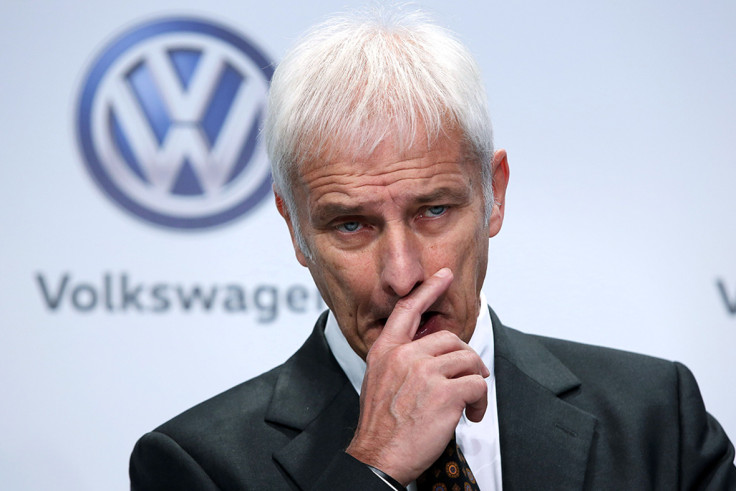
Shareholder Deka's Ingo Speich said that 'the high costs are merely a symptom, not the cause' and argued that Volkswagen needs stronger products, not just belt-tightening. Fair point, and one that stings because it lands close to the truth.
Volkswagen employed 667,164 people globally in its 2025 financial year, with almost 43 per cent based in Germany. If the current plans hold, the group would not just be cutting jobs, it would be tearing at the industrial identity that made it a symbol of post-war German manufacturing power.
The next flashpoint is the July board meeting, but the bigger battle, the one over whether Volkswagen can still outrun the EV era, is already underway.
© Copyright IBTimes 2026. All rights reserved.