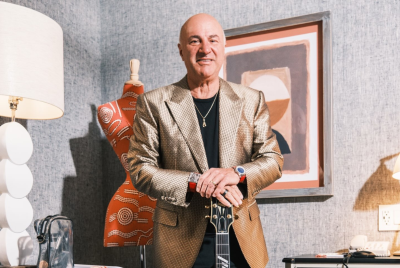
'Wait for Mom to Die?' Dave Ramsey's Stark Warning Leaves Caller Speechless
Financial planners advise treating inheritance as a bonus, not a rely-on for retirement, due to its unpredictable nature


A routine call to The Ramsey Show took an uncomfortable turn when a 58-year-old man seeking advice about family finances found himself facing a hard truth about retirement.
The caller, identified as Keith, initially wanted to discuss what he saw as a growing problem within his family. According to him, his sister had spent years accumulating debt while their mother repeatedly stepped in to help financially. Keith believed the support had already cost hundreds of thousands of dollars and was steadily reducing the inheritance he expected one day.
What followed was a blunt response from personal finance personality Dave Ramsey that has since drawn widespread attention online. 'You're gonna go into retirement broke and wait on mom to die. This is not a good plan,' Ramsey told him.
The remark shifted the conversation away from family disputes and towards a more pressing question: was Keith's own retirement strategy strong enough to stand on its own?
Ramsey Questions the Performance of Keith's Properties
Keith explained that he owned three properties worth roughly $800,000. All were mortgage-free. He also had around $500,000 in retirement savings.On paper, those figures appeared substantial. However, Keith said his properties and income generated only about $35,000 annually, with the figure potentially rising to around $45,000 after renovation work was completed.
Ramsey immediately focused on those numbers. He argued that the income generated by the properties was too low compared with their value. During the exchange, Ramsey said he would be dissatisfied with assets worth that much producing such modest returns. The discussion highlighted a common issue in retirement planning. An asset can increase in value over time, but retirees often depend on cash flow rather than paper wealth to fund everyday expenses.
Ramsey's concern was not the size of Keith's portfolio. It was whether that portfolio was producing enough income to support him in later life.
The Risks of Relying on an Inheritance
The conversation then turned to inheritance. Keith repeatedly referred to money he expected to receive from his mother's estate. He estimated the family estate could be worth between $1 million and $2 million. Ramsey challenged that assumption.
His argument was simple. The money belongs to Keith's mother, and she remains free to spend it, give it away, leave it to another family member, donate it to charity, or change her will entirely. Nothing is guaranteed.
Financial planners frequently caution against building retirement strategies around future inheritances because the amount, timing, and eventual beneficiaries can all change unexpectedly. Healthcare costs, long-term care expenses, changing family circumstances, and revised estate plans can significantly reduce or redirect assets that beneficiaries expect to receive. For that reason, many advisers recommend treating any future inheritance as a bonus rather than a core part of retirement planning.
A Wider Lesson About Retirement Planning
The exchange resonated with many listeners because it touched on a challenge faced by countless families. People often spend considerable time worrying about money they may receive in the future while overlooking opportunities to improve the performance of assets they already own.
Ramsey argued that Keith's retirement prospects would ultimately depend on decisions he made about his own investments rather than decisions made by his mother. The discussion also highlighted the difference between ownership and expectation. While Keith viewed his sister's spending as reducing his future inheritance, the assets remain under his mother's control. Until assets are transferred through an estate, they belong entirely to the current owner.
What Determines Retirement Success?
Throughout the call, Ramsey repeatedly returned to one issue: income. He suggested that improving the performance of Keith's property portfolio would have a far greater impact on retirement security than worrying about future inheritance. For many retirees, sustainable income from investments, pensions, savings, and property forms the foundation of financial security.
That is why retirement specialists generally encourage individuals to evaluate the returns generated by their assets and build plans based on resources already under their control. The future value of an inheritance remains uncertain. Income generated from assets owned today can be measured, managed, and improved.
© Copyright IBTimes 2026. All rights reserved.
- Recommended For You