Anthropic CEO Sparks Outrage After Smiling Through Question on Schoolgirls Killed in Strike Linked to AI Targeting
Dario Amodei's response to AI-assisted military targeting raises accountability concerns

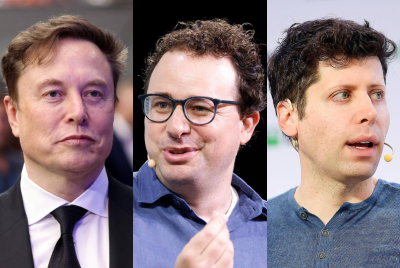
A tense discussion about artificial intelligence and warfare has erupted online after Anthropic CEO Dario Amodei faced criticism over his response to questions regarding AI-assisted military targeting. The controversy centred on allegations that AI technology may have been involved in identifying targets connected to a deadly strike on a girls' school in Iran.
While there is no public evidence proving Anthropic's Claude directly selected the target, Amodei's reaction during the interview quickly became the focus of public anger, with critics arguing that his comments highlighted deeper concerns about accountability in the age of AI-powered warfare.
A Question About AI And A Response That Triggered Backlash
Amodei was asked about reports that AI models are being used by the US military through defence platforms that assist with targeting and intelligence analysis.
During the exchange, he was questioned about allegations surrounding a strike that reportedly hit a girls' school near a military-related site in Iran. Critics online focused not only on his answer but also on his demeanour, claiming he appeared to smile or laugh awkwardly while discussing a tragedy involving children.
Amodei described civilian deaths in warfare as 'terrible' and stressed that military mistakes remain deeply concerning. However, many viewers felt his response lacked the seriousness expected when discussing the loss of young lives.
The reaction quickly spread across social media, where clips of the interview generated heated debate. For some observers, the issue was not simply what was said but how it was delivered. In moments involving civilian casualties, public perception often hinges as much on tone as on substance.
Who Is Responsible
Critics argue that AI-assisted targeting risks creating a situation where responsibility becomes blurred. If a system helps identify a target that later results in civilian deaths, questions immediately arise about whether blame belongs to the software developers, military commanders, intelligence analysts or the operators who approved the strike.
Amodei pushed back against the idea that AI systems independently make life-and-death decisions. He stated that human decision-makers remain responsible for final approval and emphasised that people, not AI models, ultimately authorise military actions.
That distinction is important because many AI developers maintain that their systems are designed to assist human judgement rather than replace it. Yet opponents argue that increasing reliance on automated recommendations could influence decisions in ways that are difficult to measure or challenge.
Military Use Of AI Draws More Scrutiny
Artificial intelligence is rapidly becoming a major tool in defence and intelligence operations around the world. Governments are investing heavily in systems capable of analysing vast amounts of information faster than human analysts.
Supporters argue that AI can reduce mistakes by identifying threats more accurately and processing intelligence more efficiently. They believe advanced systems could help prevent conflicts from escalating by giving decision-makers better information.
However, critics fear the opposite outcome. They warn that the speed and scale of AI analysis may encourage faster military actions while making it harder to fully understand how conclusions were reached.
The concern becomes even greater when civilian casualties occur. In those situations, demands for transparency often collide with the complex nature of AI systems, many of which operate through processes that are not easily understood by the public.
Public Trust Faces A New Test
The outrage surrounding Amodei's interview reflects a broader challenge facing the technology industry. As AI becomes more deeply integrated into areas such as defence, healthcare and public services, companies are being asked to demonstrate not only technical competence but also moral responsibility.
Supporters of AI development argue that abandoning the technology is unrealistic and that responsible safeguards remain the best path forward. Yet even they acknowledge that public trust can be fragile when discussions involve warfare and civilian deaths.
© Copyright IBTimes 2026. All rights reserved.
- Recommended For You