

Artists Flee Instagram and Facebook in AI Theft Revolt: 'Our Work Is No Longer Safe' Amid AI Exploitation
A viral AI impersonator racked up 50 million Instagram views using another artist's work, fuelling a growing revolt as creators lose faith in Meta's protection
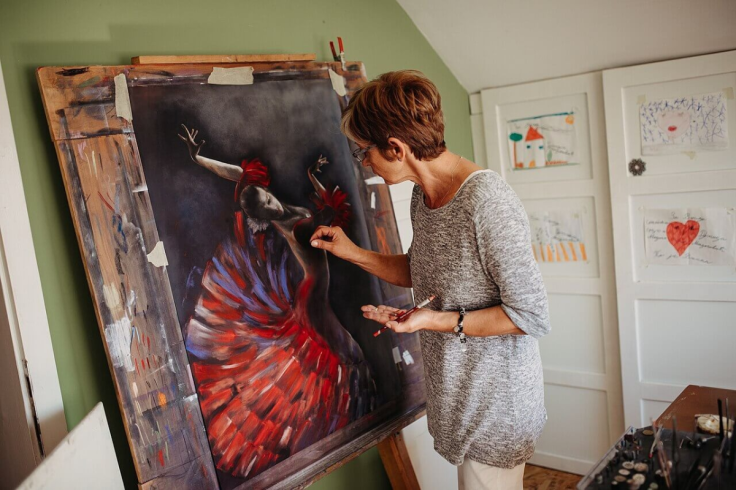
An AI art impersonator attracted 50 million views on Instagram with content based on another artist's original creations, highlighting growing fears that artists' work can be copied and repackaged without their consent.
Artist Confronts AI Impersonator
Andrew Scott, an artist in Rochester, New York, told CNN he confronted an individual in September after discovering his work had been used in AI-generated videos. The person allegedly admitted to using his artwork as a starting point. One AI-generated post featuring the resulting images attracted 50 million views, Scott said.
Scott warned that the content could harm his business, but the individual continued.
There are so many wonderful artists out there, capable of doing this, and im sure with community support you can actually pay fairly and achieve this in wonderful ways. But you chose AI. People who support this way of thinking don't deserve to call themselves artists. It's a… https://t.co/vCZvOjotKc
— 𝕯𝖚𝖒𝖇 𝕮𝖆𝖙 🌸 (@DarkpawStudios) November 25, 2026
UK watercolour artist Matty Burnham faced a similar problem in 2024, when he discovered a Pinterest account impersonating him. It used AI to recreate his illustrations and promoted them through fake profiles on Pinterest, Facebook and Instagram, with links to Shopify shops.
Burnham traced the account to Ho Chi Minh City, Vietnam, but could not identify who was behind it. He said such profiles can attract hundreds of thousands of followers.
Artists Are Walking Away From Meta
Samantha Waldron, co-owner of Dutcher Photography in Wisconsin, deleted her Facebook pages and removed most posts and external links from Instagram.
'It was the last straw that was a long time coming,' she said.
Megan Wimberley, founder of Cowgirl Artists of America, is also deleting Meta accounts. She accused the company of turning its platforms into material for AI development, calling it 'free licensing to train their AI'.
Her 'Meta blackout' campaign urged users to stop posting from 30 October to 6 November.
Meta Pauses Proposed Terms Changes
Meta proposed commercial terms that could have allowed automated software to scrape external websites linked to business accounts, including portfolios and online shops. The changes were postponed and then indefinitely paused on 5 November 2026.
A Meta spokesperson said: 'We're pausing the changes as we continue to engage with stakeholders and take our time to get this right. In the meantime, our existing terms remain in effect.'
Tim O'Brien, a board member of the Society of Illustrators, said artists deserved consent, fair compensation and ways to challenge unauthorised use. Nicole McKay of The Guild of Artists and Artisans said leaving Meta meant sacrificing platforms used to showcase work and reach customers.
Artists Fear Losing Control of Their Work
Canadian ceramic artist Nancy Chen feared videos of her making pieces could be used to train AI systems. 'It makes me wonder how independent artists can present their work to the world when their transparency can be weaponized,' she said.
Isaiah Steinfeld, a board member of the American Institute of Graphic Arts who works with AI, said creators could register their work, pursue infringement claims and request takedowns through Meta's Intellectual Property Reporting Center.
Google's SynthID Detector can identify content carrying its watermark, but it is not a universal AI detector.
Burnham said he remained unconvinced artists would receive enough protection. The UK Department for Digital, Culture, Media and Sport said it was engaging with creatives, industry bodies and AI firms, and would not pursue an approach that failed the creative industries or AI sector.
For artists sharing work online, the question is urgent: how can they showcase their creativity without risking someone else turning it into viral content?
© Copyright IBTimes 2026. All rights reserved.