

HMRC Loses Battle Over How 'Thomas the Tank Engine' Royalties Are Taxed: Creator's Family Avoids 45% Tax Hit
Awdry family wins High Court case, securing tax treatment of book royalties as capital rather than income

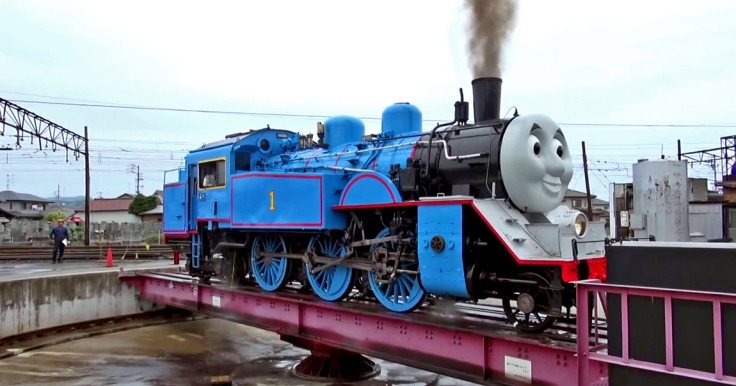
What started with a handmade wooden toy train during World War II has ended in a landmark tax victory for the family behind one of Britain's most beloved children's characters.
In 1942, Reverend Wilbert Awdry crafted a small wooden train from a broomstick for his ailing son, Christopher. Painted blue and bearing the number 1, the toy inspired the stories that would become Thomas the Tank Engine. Those tales were first published in The Three Railway Engines in 1945 before reaching an even wider audience through the television series Thomas the Tank Engine & Friends, which debuted in the UK in 1984.
More than four decades after creating the trust, which would manage his literary legacy, Awdry's family has won a significant High Court battle against the HM Revenue & Customs (HMRC) over how royalties from the books should be taxed.
It was ruled that royalty payments the Awdry family's trust receives should be treated as capital instead of income under trust law, implying that the court refuted HMRC's stance on the trust arrangement.
If HMRC had won the court battle, the creator's family could have faced taxes of up to 45% on royalty payments, given that royalty payments are often classified as income for tax purposes.
The case highlights how trusts can influence the tax treatment of inherited assets. In UK trust law, the distinction between capital and income determines not only how beneficiaries receive assets but also how those assets may be taxed.
Awdry's Long-Term Planning for His Grandchildren
In 1987, Awdry created a trust as part of his long-term estate planning. Two years later, he finalised an agreement with the publisher that entitled him to receive ongoing royalties from the sale of books.
Rather than distributing those payments right away or in a lump sum, the trust was designed to preserve much of their long-term value for future generations. Awdry's trust mandated that 50% of the royalties he received were used for the benefit of his seven grandchildren.
However, beneficiaries would only receive income generated from investing those royalties until the age of 45. After that, each grandchild would receive their share of the trust capital and future royalties.
This is a common type of trust arrangement used in estate planning to safeguard assets and encourage long-term financial sustenance. By separating investment income from the underlying capital, trusts can ensure that the most valuable assets remain preserved while still providing beneficiaries with financial support over time.
The dispute between the family and HMRC was triggered when the latter was mulling over whether the royalty payments should be treated as income or capital once the beneficiaries reached the age of 45.
As per HMRC, turning 45 made little difference, as each grandchild had already been receiving one-seventh of the royalties as income from the age of 21. The court stated that it was 'much more plausible and obvious' that the trust intended a beneficiary reaching the age of 45 to mark a significant change in their entitlement.
Note that the trustees never owned the copyrights to the Railway Series books. The judge said that because the trust never owned the copyrights, the royalty payments should be treated as capital under the trust's terms instead of income.
© Copyright IBTimes 2026. All rights reserved.