

Andrew Earned Private Income From Royal Lodge Cottages. Now the Crown Estate Is Defending It
Crown Estate Defends Lease as MPs Question Value for Money
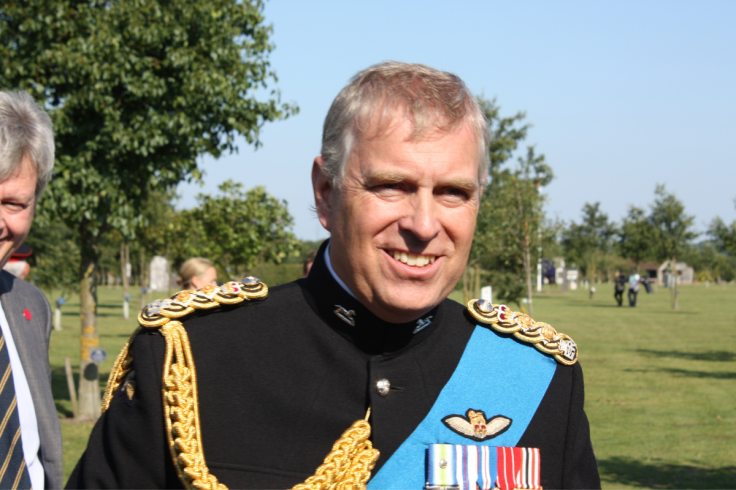
Prince Andrew earned undisclosed private income from three cottages on the Royal Lodge estate while paying only a symbolic annual rent, according to a National Audit Office (NAO) investigation that has prompted the Crown Estate to defend the controversial lease as representing 'best value'.
The findings, published as part of the first NAO review of royal residences in two decades, came under renewed scrutiny during a House of Commons Public Accounts Committee (PAC) hearing on Monday, where Crown Estate chief executive Dan Labbad was questioned over whether the arrangement represented value for money.
The watchdog found Andrew received private income from subletting the cottages for more than 20 years at Royal Lodge. Although the NAO did not disclose how much he received, it found the rental income went to the former duke rather than the Crown Estate, whose profits are returned to the Treasury.
Palace sources said the cottages were rented to staff or retired staff and maintained that the rental income was only enough to cover the running costs of Royal Lodge.
Crown Estate Says Lease Represented Value for Money
Appearing before MPs, Labbad insisted the lease represented value for money because every aspect of the agreement, including Andrew's right to sublet the cottages, had been independently assessed before it was approved.
'Those potential income streams were taken into account in determining what best value was at the time,' Labbad said.
Under the 2003 lease, Andrew paid a £1 million premium to secure Royal Lodge and later spent around £7.5 million refurbishing the property. In return, he paid only a 'peppercorn' rent if demanded – a symbolic legal payment commonly used when a tenant has already made a substantial upfront investment.
Labbad said allowing leaseholders to sublet properties was 'reasonably common' in long leasehold agreements and stressed that the expected rental income formed part of the independent valuation and governance process.
He added that Andrew's £7.5 million refurbishment commitment allowed the Crown Estate to invest money elsewhere.
'In the case of Royal Lodge, the £7.5 million in refurbishment costs, we were able to then take that money that we would otherwise have to spend, and invest in other things,' he said.
MPs Seek Answers Over Andrew's Rental Income
Despite defending the lease, Crown Estate officials were unable to tell MPs how much Andrew received from subletting the cottages over more than two decades.
Labbad said the Crown Estate did not hold the figures because the income was received by Andrew as the leaseholder.
James Chalmers, the King's Keeper of the Privy Purse and Treasurer, said the Royal Household could obtain the information if Parliament requested it.
'What I can say is the role we played with the NAO report, which we can play here, was we gathered the information from the other households, and I believe if the request were made for that information, we could provide it to the National Audit Office and therefore to the committee ... We can get it,' Chalmers said.
Committee chairman Sir Geoffrey Clifton-Brown suggested the figures could be submitted confidentially to the NAO if there were concerns about releasing them publicly.
Andrew has since moved to Marsh Farm on King Charles III's Sandringham estate following public scrutiny over the favourable terms of his accommodation.
Wider Review of Royal Housing
Andrew's lease was one of several royal housing arrangements examined in the NAO's review.
The watchdog also found that rents for Princess Beatrice's and Princess Eugenie's royal residences had been based on outdated market valuations before being updated this year. Their accommodation is paid for through the Privy Purse, with Palace officials saying the rent covers any publicly funded expenditure.
Chalmers said homes within occupied royal palaces can only be occupied by a limited pool of tenants who meet strict security requirements, making the arrangements different from those in the wider property market.
While the Crown Estate continues to maintain that Andrew's lease represented value for money, one key question remains unresolved: exactly how much he earned from subletting the Royal Lodge cottages over more than two decades.
© Copyright IBTimes 2026. All rights reserved.