Selena Gomez's Mental Health Startup Collapsed Despite $5M Funding as Investors Were Kept in the Dark
Federal lawsuit filed in Delaware alleges securities fraud and breach of contract, claiming founders kept backers in the dark as Wondermind crumbled
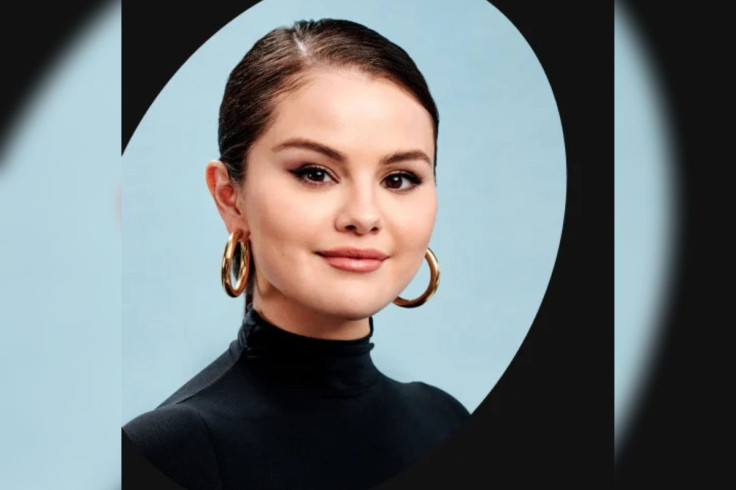
Pop superstar and entrepreneur Selena Gomez is facing a high-stakes federal lawsuit filed in Delaware by venture capital investors who claim they were systematically misled over the stability and management of Wondermind.
The legal action centres on Wondermind Global, the mental health and fitness platform launched in 2021 with media fanfare, which plaintiffs allege quietly collapsed while its leadership concealed mounting internal chaos.
The following year, the company raised $5 million (about £3.7 million) in a funding round led by Serena Willams' Serena Ventures, with the startup valued at about $100 million (roughly £73.8 million).
The complaint, brought forward by investment entities Wondermind SRS 44 LLC and Bespoke Wondermind LLC, targets Gomez, her mother and co-founder Mandy Teefey, and former business partner Daniella Pierson.
The plaintiffs, who poured nearly $1.2 million into the venture, accuse the leadership team of securities fraud, common-law fraud, and breach of contract, seeking to recoup their capital alongside damages and legal fees.
Broken Promises and the Disappearing Celebrity Engagement
According to court filings, Wondermind's pitch heavily leveraged Gomez's massive global reach, encompassing over 500 million social media followers, and presented her active role as head of marketing and chief impact officer as a foundational asset for the brand's growth.
Investors assert they were assured the multi-platinum singer and actress would be intimately involved in building, marketing, and expanding the platform. Instead, the lawsuit alleges that once the funds cleared, those commitments evaporated.
The complaint states bluntly that 'Gomez purported to sign a contract obligating her to perform and then ignored it,' leaving promised deliverables, such as a dedicated mobile application, major corporate advertising partnerships with institutions like JPMorgan and Fidelity, and high-profile media campaigns, largely unfulfilled.
In May 2025, Forbes reported that the startup was struggling to meet financial obligations, unable to pay its employees, freelancers, and vendors. The company also reportedly laid off most of its staff at the time, while its CEO said the business had been awaiting another funding round that never materialised.
Investors Kept in the Dark
According to Reuters, two investment groups pumped nearly $1.2 million (approximately £885,000) into Wondermind and now claim they were not told about the company's serious difficulties.
'Gomez purported to sign a contract obligating her to perform and then ignored it,' the lawsuit read.
The investors also alleged that promised business relationships and revenue plans failed to materialise. They say they did not understand the scale of Wondermind's problems until The Cut published its September 2025 investigation.
The lawsuit accuses the founders of absolute silence as the company deteriorated: 'For three years, while the Company quietly collapsed around them, not one of its founders, officers or directors said a word to the investors whose money was funding the collapse.'
Gomez's Role Under Scrutiny
The Cut's investigation revealed that the company's problems were not limited to cash. It described internal disputes, leadership tensions, and stalled projects at Wondermind.
Pierson had left the company in 2023 following a dispute over control, according to the report, while staff described growing uncertainty around the company's direction and finances.
Gomez's involvement is a key part of the dispute because her celebrity status was central to Wondermind's appeal. The company's original pitch linked mental health advocacy with her huge audience, while its leadership team presented the venture as a serious business and not a simple celebrity project.
Wondermind's own website still identifies Gomez as a co-founder along with Mandy Teefey, who is listed as the CEO and co-founder, and describes her as an advocate for mental health access. However, the investors' allegations raise questions about how closely she was involved in the company's day-to-day operations and whether the commitments made during fundraising were fulfilled.
The lawsuit does not establish that Gomez or the other defendants committed fraud. Those claims must be tested in court, and Gomez had not publicly responded to Reuters' request for comment. Teefey has also rejected some allegations made about her in earlier reporting.
As the legal proceedings unfold in federal court, the case serves as a cautionary tale about the intersection of high-profile celebrity branding and startup governance, placing intense scrutiny on accountability when high-capital ventures fail to deliver.
© Copyright IBTimes 2026. All rights reserved.
- Recommended For You