Zohran Mamdani's Delivery App Law: Mayor Faces Backlash Over DoorDash, UberEats Tip Rule
Mayor Zohran Mamdani faces criticism over new tipping regulations for delivery apps like UberEats and DoorDash.
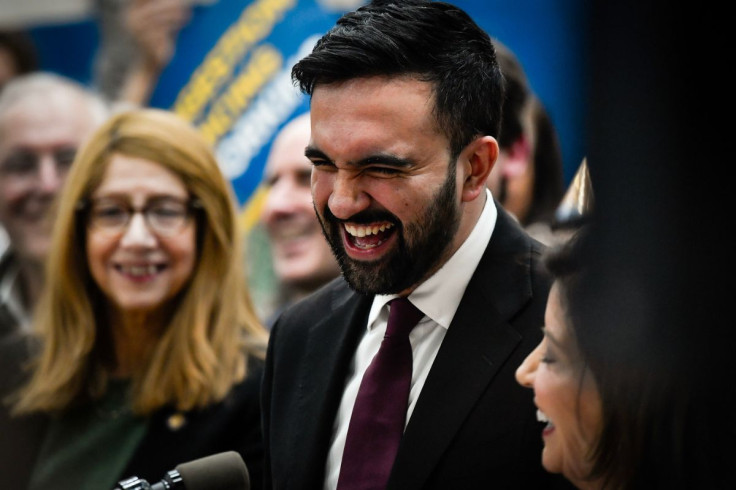
New York City Mayor Zohran Mamdani is currently facing public backlash over the enforcement of a delivery app law that requires platforms like DoorDash and UberEats to clearly display tipping options at checkout. Critics argue the mandate, which is designed to protect driver gratuities, will ultimately make takeaway food more expensive for local residents.
The legislative push for these regulations actually started before Mamdani took office. The New York City Council passed the delivery-app rules last year under his Democratic predecessor, Eric Adams. However, Adams left office without signing the measure into law, leaving the formal rollout to the incoming administration. The rules officially took effect on 26 January, mere weeks into Mamdani's tenure.
UberEats And DoorDash Tip Rule Explained Fully
According to the city's Department of Consumer and Worker Protection, the mandate was necessary following previous changes made by the tech companies. The city alleged that platforms including UberEats and DoorDash hid tipping menus and defaulted to a 10 percent option in response to a newly enacted minimum wage law for gig workers.
The department claimed this specific interface change caused driver tips to plummet by 79 percent. Furthermore, the city estimates those changes cost delivery workers approximately $550 million (£409.9 million) in lost gratuities. Under the newly enforced regulations, applications are now required to offer a 10 percent option, a custom tip, or the choice to leave no tip at all.
Zohran Mamdani Delivery App Law Sparks Criticism
Mamdani recently stated that the city's enforcement effort has yielded substantial results, claiming that the administration put $104 million (£77.51 million) back into delivery workers' pockets over the first six months of the year.
He added that the initial enforcement was 'only the beginning,' declaring that New York will not allow billion-dollar tech companies to boost profits by taking money from working people.
Despite these claims, the mayor has drawn significant criticism from commentators who suggest the policy contradicts his broader political platform. Critics on social media noted that the changes make ordering takeaway noticeably more expensive, questioning whether Mamdani's affordability agenda applies to residents who rely on delivery services.
Critics Slam Mayor Over Delivery App Enforcement
Columnist Jonathan Levine highlighted the rising costs, noting that wealthy users of UberEats and DoorDash will now be paying more. Entrepreneur Rajat Suri echoed that sentiment, questioning the popularity of requiring applications to push higher tips and suggesting the platforms should add a tooltip attributing the changes directly to Mamdani.
Additionally, some observers accused the mayor of taking credit for legislation he did not pass. Sam E. Antar noted that the New York City Council enacted the laws in 2025 before Mamdani became mayor, stressing that customers can still choose to leave zero dollars.
When pressed about these claims, a spokesperson for Mamdani argued that a law is only as good as its implementation. They stated the administration has been intentional about enforcing the books to put money back into the pockets of working New Yorkers.
New York City Reports Higher Delivery Earnings
Beyond the immediate debate over credit and food prices, Mamdani's tenure continues to generate divided public opinion. A CNN poll released Thursday showed 30 percent of the country viewing Mamdani favourably, compared to 35 percent unfavourably. While technically a net negative, this approval rating still outpaces several established national lawmakers, including Alexandria Ocasio-Cortez, Mike Johnson, and Chuck Schumer.
Ultimately, city officials reported that in the four weeks before the law was implemented, delivery workers earned an average of $1.18 (£0.88) per drop-off. The city claims that figure nearly doubled to $2.29 (£1.71) per delivery in the four weeks after the rollout. The city claims that the new tipping regulations and minimum wage laws have increased delivery worker earnings by $2 billion (£1.49 billion) over three years, without measurably reducing overall order volume.
© Copyright IBTimes 2026. All rights reserved.
- Recommended For You