

Super El Niño Sends Record Tides Into California Businesses as Coastal Roads and Beaches Flood
Record-high tides triggered beach closures, evacuation warnings and emergency responses as powerful surf battered California's coastal communities
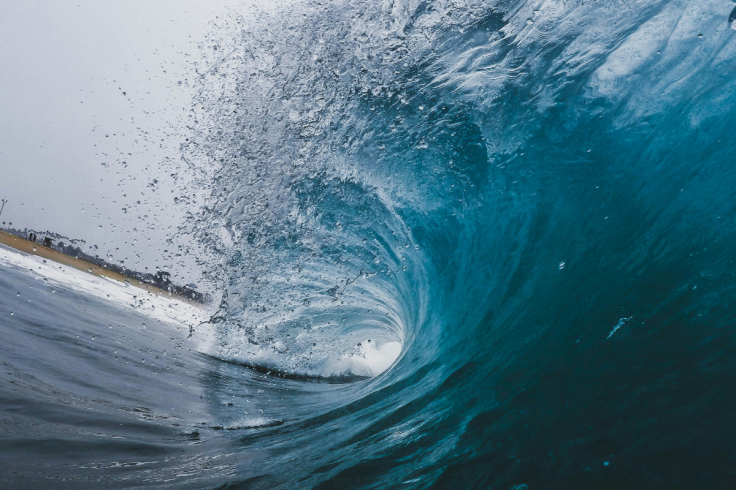
In the US, record king tides amplified by a super El Niño sent seawater into California businesses and homes on Wednesday, 25 November, flooding coastal roads as powerful waves tore apart part of a Pacifica pier.
Los Angeles and Santa Barbara tied or broke their all-time high tide records, reaching 8.19 feet and 8.21 feet respectively, The Guardian reported, citing the National Weather Service (NWS). La Jolla, in San Diego, recorded a high of 8.11 feet, also setting an all-time record. Preliminary data suggested that a reading of 8.03 feet in Monterey might have set a record.
The flooding affected communities along the coast. Authorities closed beaches, issued evacuation warnings and deployed emergency crews as waves pushed beyond the shoreline.
Waves Destroy Part of Pacifica Pier
A powerful wave ripped away part of a landmark pier in Pacifica, south of San Francisco, and sent it into the sea, the Associated Press (AP) reported. Officials had closed the L-shaped, 1,140-foot pier during the summer after finding cracks in its structure.
According to The Guardian, citing the San Francisco Chronicle, the pier had previously suffered structural damage. Swells striking the coast were 12 times stronger than those on an average November day. Water also covered coastal roads in Pacifica, including Highway 1 near the Taco Bell Cantina.
Elsewhere in the San Francisco Bay Area, flooding reached homes and streets in Mill Valley, Larkspur, Sausalito and Corte Madera, according to AP News. In Humboldt County, near the Oregon border, the sheriff's office ordered evacuations in a small coastal community where most buildings had flooded.
Beach Closures and Surf Warnings Stretch Along the Coast
Monterey closed several beaches until Friday, 27 November, over safety concerns. Beaches in Santa Cruz County were also closed as officials sought to keep people away from dangerous surf.
The NWS issued a coastal flood warning for the Pacific Coast and bay shorelines along San Francisco Bay and San Pablo Bay through 4 p.m. on Wednesday. It also issued a high surf warning for the Bay Area, forecasting breaking waves of 20 feet to 30 feet that could overpower swimmers and sweep people into the ocean.
The weather service warned that rising tides would push water and waves farther up beaches than usual, potentially restricting people's ability to escape from coastal areas.
California Governor Gavin Newsom described Wednesday's flooding as 'a preview of things to come' during a press conference in San Francisco. He urged a more sustainable response to coastal risks. State emergency officials deployed personnel and equipment across California, while crews prepared sandbags to protect buildings in the Bay Area, according to The Guardian.
Why the Water Rose So High
King tides occur when the gravitational pull of the sun and moon combines to raise ocean levels. AP reported that this year's ongoing super El Niño has warmed the ocean, increasing seawater temperatures and amplifying the effects of the unusually high tides.
The National Oceanic and Atmospheric Administration (NOAA) has also identified El Niño-related Kelvin waves as a factor in elevated coastal water levels. These large pulses of warm water can temporarily raise sea levels as they move along the coast. Warmer water also expands, contributing to higher sea levels.
However, the threat is expected to return. Further amplified king tides are forecast around late December and late January, when winter storms could increase the risk of coastal flooding.
© Copyright IBTimes 2026. All rights reserved.