

'Should Any One Company ... Have That Much Power': Abdul El-Sayed Slams Trump on Huang's Return
Michigan senator-elect questioned NVIDIA's economic power and Trump's reported role in bringing back chief executive Huang after his resignation

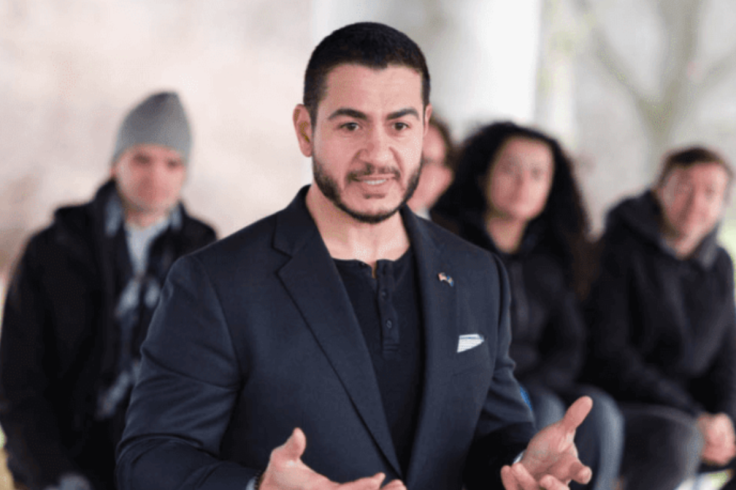
Michigan Senator-elect Abdul El-Sayed accused US President Donald Trump of putting stock-market concerns ahead of national security as he questioned the power held by NVIDIA and its returning chief executive, Jensen Huang.
'Should any one company (and any one person) have that much power over the economy?' El-Sayed asked in a post on X on Thursday, November 26.
CNBC reported on November 23 that Trump's personal assurance to NVIDIA's board that Huang had not broken national security laws helped secure his return, citing three people familiar with its thinking.
In forcing Jenson Huang's reinstatement, Trump clearly chose the stock market over national security. He's all but admitting that Nvidia is "too big to fail." We've done that before, and it's not pretty. Congress needs to ask some really important questions about the role of this…
— Dr. Abdul El-Sayed (@AbdulElSayed) November 25, 2026
El-Sayed Questions NVIDIA's Economic Power
El-Sayed called on Congress to examine the role of the technology giant in the American economy and asked what would happen if a serious disruption interrupted its business.
'If something even more serious were to happen to NVIDIA that interrupts their business, what are the ripple effects for the economy as a whole?' he wrote.
He also asked what could be done immediately to insulate the broader economy from such a disruption.
CNBC reported that NVIDIA's share price had fallen by more than 25% over the week after Huang's resignation.
The drop, along with questions about interim chief executive Colette Kress's leadership, helped spur the board's decision, according to CNBC.
Trump Says He Helped Secure Huang's Return
Senior Trump administration officials contacted NVIDIA's board overnight on Friday, November 20, to tell directors that Huang had not violated US national security laws, CNBC said.
After the White House outreach, the board contacted Huang. He joined meetings on Saturday and Sunday to discuss a possible return.
Trump described his role in a phone interview with CNBC's Eamon Javers on Monday morning, shortly after NVIDIA announced Huang's return. 'I convinced them,' the president said. 'I made the deal.'
Trump said the board had asked for guarantees that Huang is not a national security threat. 'And we gave them assurances, at least with everything we know,' he said. 'We believe he's fine. He's absolutely fine.'
NVIDIA Board Had Previously Ruled Out Reinstatement
Huang resigned on November 12, less than two weeks before his return. CNBC said his resignation followed reports of an affair with an NVIDIA employee and one involving Alice Huang, a former executive at Singapore-based Megaspeed whom the outlet described as suspected of being a spy for China.
NVIDIA named chief financial officer Colette Kress as interim chief executive while it searched for a permanent successor.
According to CNBC, some employees and investors questioned Kress's stewardship within days of her taking over. Her performances at an all-hands company meeting on Wednesday and an earnings call with analysts the previous day were seen by some investors as uninspiring and underwhelming, according to the report.
Huang also spoke with major technology executives who wanted to see him return, according to a source cited. He contacted OpenAI chief executive Sam Altman, OpenAI President Greg Brockman, and Elon Musk, chief executive of SpaceX and Tesla.
On November 17, Huang said he was open to returning, citing calls from NVIDIA employees, investors, business partners and customers.
'NVIDIA is a once-in-a-generation company,' he said, adding that he would be honoured to return if the board decided it was in the best interests of shareholders, employees, the company and America.
The same day, board chair Harvey Jones told analysts that the board did 'not intend to reinstate Jensen as CEO'. Kress told employees at the following day's all-hands meeting: 'Let's move forward.'
© Copyright IBTimes 2026. All rights reserved.