Mid-Air Ebola Scare: US Rejects Passenger Flight From Congo, Plane Diverted to Canada
Air France Flight 378 rerouted to Montreal due to Ebola-related US entry restrictions.

A transatlantic passenger flight bound for the United States was dramatically diverted to Canada after US authorities blocked it from landing over Ebola-related travel restrictions, underscoring just how far governments are now willing to go to contain the fast‑moving outbreak in Central Africa. The diversion came as officials rolled out enhanced health screenings at airports worldwide amid mounting concern over the latest surge in cases.
Ebola Scare Forces Detroit-Bound Flight To Divert to Canada
The incident involved Air France Flight 378, which departed Paris en route to Detroit before being rerouted to Montreal, Canada, after officials discovered that a passenger from the Democratic Republic of the Congo had boarded the aircraft despite newly imposed US entry restrictions tied to the Ebola outbreak.
According to US Customs and Border Protection, the passenger 'should not have boarded' the flight under emergency health rules introduced earlier this week by the Centres for Disease Control and Prevention and the Department of Homeland Security.
Officials said the traveller was not showing Ebola symptoms, and there was no medical emergency onboard the aircraft. However, because the passenger had recently been in the Congo, which is one of several countries affected by the outbreak, the US refused to allow the plane to land in Detroit. Instead, the aircraft was redirected to Montreal, where Canadian quarantine officers met the flight.
The diverted flight has quickly become one of the clearest examples yet of how aggressively governments are responding to the worsening Ebola outbreak, World Health Organisation recently declared a global public health emergency.
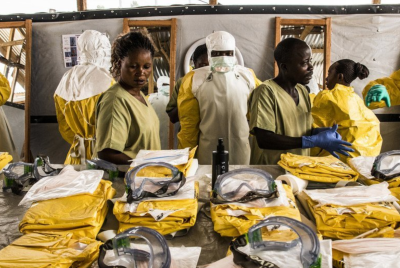
What's Happening in The Ebola Outbreak?
Health officials say the current outbreak, which is centred primarily in eastern Congo and parts of Uganda, has already produced nearly 600 suspected cases and at least 139 deaths. Experts also fear the true number could be significantly higher because the virus reportedly spread undetected for weeks before authorities identified the outbreak.
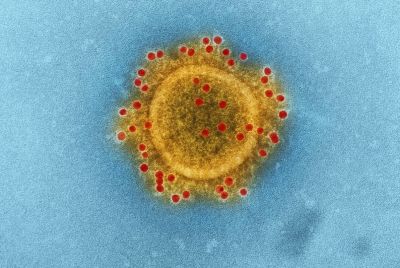
The situation has become especially alarming because the outbreak involves the Bundibugyo strain of Ebola, for which there is currently no approved vaccine.
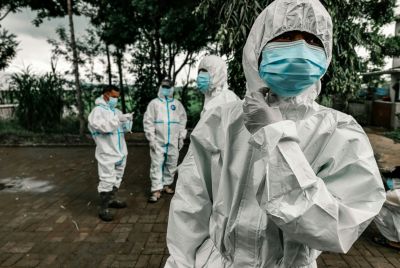
In response, US authorities have now begun implementing enhanced airport screenings and temporary travel restrictions designed to stop the virus from entering the country.
How The US is Dealing With The Ebola Outbreak
Beginning this week, all American citizens and permanent residents who have recently travelled through Congo, Uganda or South Sudan must enter the United States through Washington Dulles International Airport in Virginia, where specialised Ebola screening procedures are now being conducted.
The CDC said the new measures include enhanced traveller monitoring, health questionnaires and increased coordination with airlines and border officials. Non-US passport holders who have recently visited the affected countries may also face temporary entry restrictions for up to 30 days.
Health screening efforts are also expanding internationally. India's Delhi airport has already issued advisories for passengers arriving from Congo, Uganda and South Sudan, instructing travellers with symptoms to immediately report to airport health officials. Hong Kong authorities similarly announced new airport screening procedures, including temperature checks and symptom assessments for passengers arriving from Africa.
Meanwhile, European officials are also reviewing whether additional screening measures may become necessary at airports with direct flight connections to Congo, particularly Brussels Airport in Belgium, which serves as one of Europe's main gateways to Central Africa.
Despite the growing precautions, public health experts continue stressing that Ebola is not airborne and spreads only through direct contact with bodily fluids from infected individuals who are actively showing symptoms. The CDC has repeatedly emphasised that the immediate risk to the general American public remains low.
© Copyright IBTimes 2026. All rights reserved.
- Recommended For You