Popular Antidepressant Recalled Over Cancer-Causing Chemical, Nearly 370,000 Bottles Affected
FDA recall affects nearly 370,000 duloxetine bottles over impurity concerns.
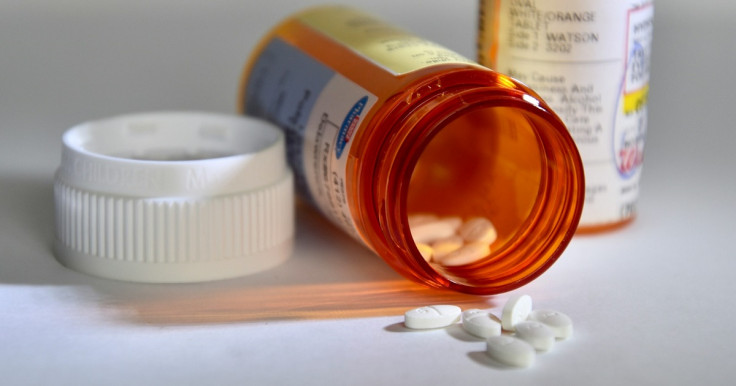
Nearly 370,000 bottles of a widely prescribed antidepressant have been recalled across the United States after regulators identified elevated levels of a potentially cancer-causing chemical impurity.
The recall affects duloxetine delayed-release capsules distributed by Breckenridge Pharmaceutical and manufactured by Towa Pharmaceutical. According to the US Food and Drug Administration (FDA), testing found levels of N-nitroso-duloxetine above the agency's recommended safety threshold, triggering a nationwide voluntary recall.
Duloxetine is one of the most commonly prescribed antidepressants in the US. Marketed under the brand name Cymbalta and sold in generic forms, it is used to treat depression, anxiety, fibromyalgia, and several chronic pain conditions. For many patients, it is a long-term medication taken daily for years.
Prolonged Exposure Increases Cancer Risk
The concern centres on N-nitroso-duloxetine, a member of a broader group of compounds known as nitrosamines. Regulatory agencies around the world have intensified scrutiny of nitrosamine contamination in medicines after a series of recalls involving blood pressure drugs, diabetes treatments and smoking cessation medications.
The FDA classified the duloxetine action as a Class II recall, meaning use of the affected product could cause temporary or medically reversible health consequences, while the likelihood of serious harm remains low. No adverse events linked to the recalled capsules have been reported.
Health authorities note that nitrosamines are not unique to pharmaceuticals. They can also be found in water supplies and certain foods, particularly cured meats, grilled products, dairy items and beer. The issue arises when exposure exceeds accepted safety levels over extended periods.
According to guidance published by the California State Board of Pharmacy, prolonged exposure to elevated nitrosamine levels 'may increase the risk of cancer'. Exposure at or below established daily intake limits is not expected to increase cancer risk.
What makes this recall notable is its scale. Nearly 370,000 bottles have been affected, making it one of the largest recent recalls involving duloxetine.
Patients Urged Not To Stop Treatment Abruptly
While the word 'carcinogen' inevitably attracts attention, medical experts and regulators are emphasising a different concern for current users of the medication.
Patients are being advised not to stop taking duloxetine without consulting a healthcare professional. Abrupt discontinuation can trigger withdrawal symptoms, sometimes referred to as antidepressant discontinuation syndrome, which may begin within hours or days and persist for several weeks.
The affected products include multiple lots across both 30mg and 60mg strengths. Recalled lot numbers include 241074C, 240317, 240318, 240315C, 240373C, 240370C, 240375C, 240413C, 240316, 232311, 240978C, 241052C and 241180C. Patients concerned about their medication are being encouraged to check packaging information and contact their pharmacist or prescribing clinician.
The FDA's guidance remains consistent across drug recalls of this nature. Patients should seek professional advice before making changes to treatment, particularly when dealing with medications that affect brain chemistry.
Part Of A Wider Pharmaceutical Problem
The duloxetine recall is not an isolated event. Nitrosamine contamination has emerged as one of the pharmaceutical industry's most persistent manufacturing challenges over the past several years.
Breckenridge previously recalled more than 7,000 bottles of duloxetine in 2024 over the same impurity concern.
Other high-profile cases have involved Pfizer's anti-smoking drug Chantix and multiple batches of metformin, a diabetes medication used by millions worldwide. In each case, regulators identified nitrosamine levels exceeding acceptable limits, prompting recalls and renewed scrutiny of manufacturing processes.
What cannot be ignored is that these recalls are often evidence that regulatory oversight is working rather than evidence of immediate danger. The contamination was detected through monitoring and quality control systems designed to identify potential risks before widespread harm occurs.
For patients currently taking duloxetine, the immediate message from regulators is straightforward. Check the lot number, speak with a healthcare professional and do not discontinue treatment without medical advice. The recall reflects a precautionary response to elevated impurity levels, not evidence that users have already suffered harm.
© Copyright IBTimes 2026. All rights reserved.
- Recommended For You