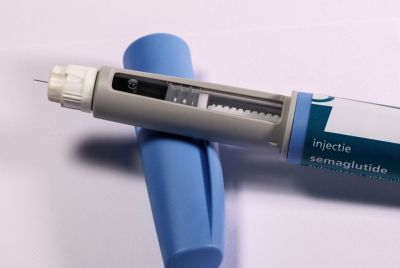
Australia To Lose Life-Saving Opioid Drug As Trump Administration Pricing Changes Ripple Worldwide
Doctors fear Australia's loss of the life-changing opioid treatment Sublocade could signal the start of a wider pharmaceutical shake-up driven by global drug pricing pressures.
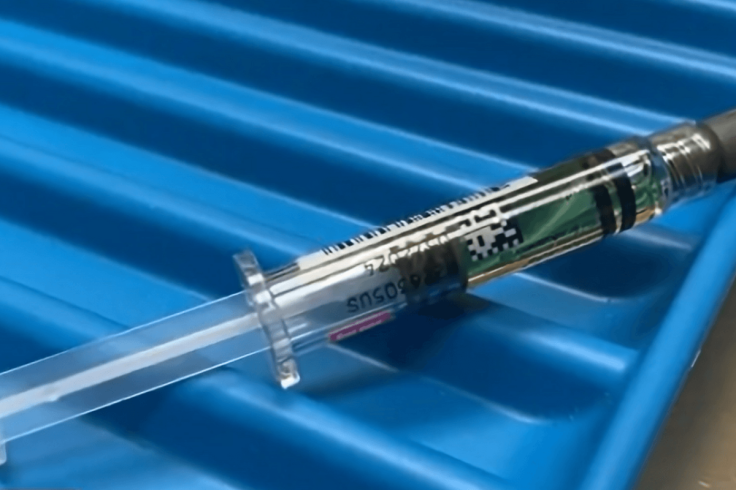
A medicine hailed by doctors as 'life-saving' for Australians battling opioid dependence is about to disappear from the market, and experts warn it may be a sign of a much bigger shift unfolding across global healthcare.
US pharmaceutical company Indivior has confirmed it will stop supplying Sublocade in Australia from 31 December, ending access to a treatment many clinicians say has transformed the lives of patients recovering from opioid addiction.
While Indivior described the move as a commercial decision, healthcare experts say it comes at a time when pharmaceutical companies are rethinking how they price medicines worldwide. At the centre of those discussions are policy changes in the United States that could reshape access to medicines far beyond American borders.
https://t.co/6GtEUIPlbn Shaw is also a former chief executive of Medicines Australia, which represents the research-based pharmaceutical industry. He said he suspected more drugs might be pulled from the Australian market because of “pressures that are building internationally”.
— Ray Wilton now on Bluesky as Raymond Wilton💧 (@raywilton4) July 1, 2026
Why Australia Is Losing Sublocade
The decision means Australia loses life-saving opioid drug Sublocade just six years after it was added to the Pharmaceutical Benefits Scheme, commonly known as the PBS, in 2020.
The long-acting monthly injection contains buprenorphine and offers an alternative to daily opioid replacement therapies such as methadone. Instead of visiting a pharmacy every day, many patients need only one injection each month, giving them greater independence and stability.
Indivior said it would work with Australian authorities and healthcare professionals to ensure an orderly transition before supply ends.
The Australian Department of Health acknowledged the withdrawal would concern patients and clinicians, but noted the government cannot compel pharmaceutical companies to continue supplying medicines if they decide it is no longer commercially viable.
Why Doctors Are So Concerned
For addiction specialists, the loss of Sublocade is about far more than removing one medicine from pharmacy shelves.
Melbourne GP Dr Owen Harris said some patients respond significantly better to Sublocade than other long-acting injectable treatments.
'It's more stable, it lasts longer, people feel better on it, and it really has been life-changing for them,' he said.
He added that some patients can safely extend the interval between injections to six weeks or longer.
'It, quite honestly, has been life-saving and life-changing for many of my patients.'
Although Buvidal, another long-acting buprenorphine injection in Australia, remains available through the PBS, clinicians stress the two medicines are not identical in practice.
On a single day in 2025, about 57,740 Australians were receiving pharmacotherapy treatment for opioid dependence, according to the Australian Institute of Health and Welfare. For many of them, maintaining the right treatment can mean the difference between long-term recovery and relapse.
Trump's Drug Pricing Changes Raise Global Questions
The withdrawal also arrives as governments and pharmaceutical companies grapple with the possible consequences of Trump drug pricing changes.
Last month, Health Minister Mark Butler said international medicines pricing was in an 'enormous state of flux' as US policy evolves.
A key focus is the United States' proposed 'Most Favored Nation' pricing model, which aims to ensure Americans pay prices comparable to those negotiated by countries such as Australia.
Supporters argue the policy could reduce prescription drug costs in the United States. Critics, however, warn it may encourage manufacturers to protect profits by raising prices elsewhere or withdrawing products from smaller markets that negotiate lower prices.
Although Indivior has not linked its decision directly to US policy, experts say the wider pricing environment is already influencing how pharmaceutical companies assess international markets.
Pharmaceutical Companies Are Reassessing Smaller Markets
Adjunct Professor Brendan Shaw from the University of Sydney's School of Pharmacy believes global pricing pressures are forcing companies to rethink where and how they supply medicines.
'What the US position has done is draw these debates out into the light, and companies are scrambling, frankly,' Shaw said.
'It sort of caused chaos across the industry and the health sector worldwide as the companies all readjust to this.'
Shaw, a former chief executive of Medicines Australia, warned that Australia could face further medicine withdrawals as international pricing pressures intensify.
His concern is that companies may become increasingly cautious about offering heavily discounted medicines in countries with government-negotiated pricing if those prices influence what they can charge in much larger markets.
More Than One Medicine Has Already Been Affected
Only weeks earlier, AstraZeneca announced it would withdraw Zoladex, a monthly implant used to treat breast cancer and endometriosis, from both the PBS and the private market, also citing commercial viability.
On their own, the withdrawal of Sublocade and Zoladex may appear to be separate commercial decisions. Together, however, they have become powerful warning signs of a pharmaceutical market under strain. As global pricing policies continue to evolve, experts fear Australia could become increasingly exposed to medicine withdrawals, raising difficult questions about how long the country's affordable drug model can withstand mounting international pressure, and what that could ultimately mean for patients whose lives depend on continued access to treatment.
© Copyright IBTimes 2026. All rights reserved.
- Recommended For You