

More Than 50,000 Fake Pills Laced With Deadly Opioids Seized Across Europe Amid Overdose Fears
European authorities warn of rising counterfeit opioid pills disguised as legitimate medications, posing severe health risks
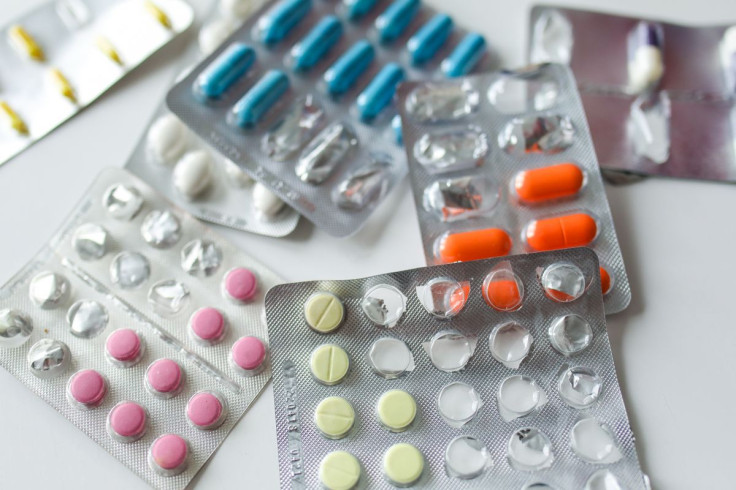
European drug authorities have warned that counterfeit prescription medicines containing powerful synthetic opioids are becoming a growing threat across the continent after seizures surged from just 380 tablets in 2022 to more than 50,000 in 2024.
The warning, published in the European Union Drugs Agency's 2026 European Drug Report, centres on counterfeit tablets containing nitazenes, a highly potent class of synthetic opioids linked to fatal overdoses. Many of the pills were designed to resemble prescription medicines such as oxycodone and diazepam.
The warning comes as European authorities report an increasingly unpredictable drug market, with new synthetic substances, counterfeit medicines and drug-laced vaping products increasing the risk that users may unknowingly consume dangerous substances.
Fake Opioid Pills More Than Doubled in a Year
According to the EUDA's 2026 European Drug Report, more than 50,000 nitazene-containing tablets were seized by authorities in 10 European countries during 2024. The figure represents a sharp increase from 23,000 tablets seized in 2023 and just 380 in 2022, illustrating how rapidly counterfeit opioid products have emerged as a concern for health and law enforcement agencies.
Officials warned that many of the seized tablets closely resembled genuine medicines, making them particularly difficult to identify. Unlike traditional illicit drugs, counterfeit tablets may be consumed by people who have little awareness that they contain powerful synthetic opioids.
The agency said there are growing concerns that such products could spread beyond established drug-using populations and reach people unfamiliar with the risks associated with opioids.
Why Nitazenes Are Raising Alarm
Nitazenes are laboratory-produced synthetic opioids that can be significantly more potent than heroin. Health officials say even small quantities can carry a risk of life-threatening poisoning or fatal overdose.
The EUDA estimates that at least 7,600 people died from drug overdoses across the European Union in 2024, with opioids remaining the leading cause of those deaths. In the UK, official figures recorded 333 deaths linked to synthetic opioids during the same year.
Authorities also warned that new psychoactive substances continue to emerge at a rapid pace. The report said 50 previously unidentified substances were detected across Europe during 2025, including seven new synthetic opioids.
EUDA Executive Director Dr. Lorraine Nolan said Europe's drug market was becoming increasingly unpredictable, raising the risk that people may unknowingly consume high-potency substances.
Stronger and more available drugs across the EU; Brunner: harm reduction and enforcement must go hand in hand
— FAVORUK 💜 (@FAVORUK) June 10, 2026
According to a report by the European Monitoring Centre for Drugs and Drug Addiction, there were at least 7,600 overdose deaths in 2024. Substances such as cocaine and… pic.twitter.com/fYFZJKWGJg
Europe's Response to Counterfeit Medicines
The findings were released alongside the results of Operation SHIELD VI, a Europol-led operation targeting criminal networks involved in counterfeit medicines and illegal pharmaceuticals.
Conducted between April and November 2025 across 30 European countries, the operation resulted in nearly 500 arrests, more than 3,300 investigations and prosecutions, and action against over 40 organised crime groups.
Poland is known for its historic cities and rapidly growing economy, but it has also emerged as one of Europe’s key hubs for synthetic drug production. This week, law enforcement officers seized heroin worth an estimated 50 million euros in the port city of Gdynia. pic.twitter.com/fqJ6RUiVZO
— TVP World (@TVPWorld_com) June 10, 2026
Authorities also shut down 66 websites used to sell counterfeit medicines online and seized pharmaceutical products worth an estimated €32 million ($36.95 million) (about £28 million). The EUDA, Europol and the European Medicines Agency have launched a joint awareness campaign, 'Stay on Top – EU vs Fake Medicines', urging consumers to obtain medicines only from authorised sources.
Health officials say the rapid growth of counterfeit opioid tablets highlights a changing threat in Europe's drug market, where medicines that appear legitimate may in reality contain substances capable of causing a fatal overdose.
© Copyright IBTimes 2026. All rights reserved.