US Launches Trade Probe Accusing Germany of Making Medicine 'Too Cheap' As Trump Pushes Global Prices Higher
Washington's Section 301 investigation targets Germany's pharmaceutical pricing, potentially leading to tariffs.
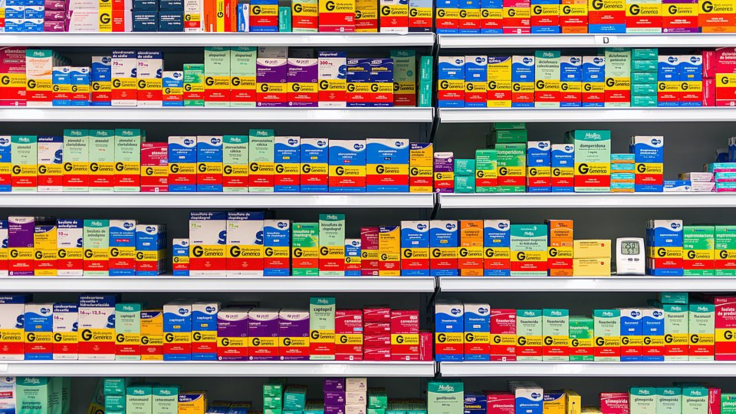
Washington has opened a Section 301 trade investigation into Germany over what it calls 'persistent underpayment' for innovative medicines, a move that could end in tariffs on German pharmaceutical exports.
US Trade Representative Jamieson Greer announced the probe on 18 June 2026, arguing that low German drug prices push American patients into funding a disproportionate share of global research costs. The case is the first time the Trump administration has turned its drug-pricing agenda into a formal trade enforcement action against a single European nation.
Berlin, already grappling with a multibillion-euro hole in its health insurance system, has signalled that it cannot simply agree to pay more.
Inside Washington's Section 301 Case Against Berlin
The investigation, initiated under Section 301 of the Trade Act of 1974, seeks to determine whether German pricing is 'unreasonable or discriminatory and burdens or restricts US commerce'.
Greer self-initiated the case under Section 302(b) of the same act, and his office has formally requested consultations with the German government. It follows what the USTR described as months of meaningful discussions that failed to settle the dispute.
A Federal Register notice states that 'evidence indicates that Germany implements unfair pricing policies and practices concerning innovative pharmaceutical products', leaving the US to carry an outsized portion of global research and development costs. The notice singles out two mechanisms: supplemental discounts granted in exchange for keeping negotiated prices confidential, and mandatory variable-rate rebates paid by manufacturers.

'President Trump has made clear that American patients should not be shouldering a disproportionate share of global pharmaceutical research and development,' Greer said, branding Germany's plan to fast-track further savings 'a serious step backwards'. Interested parties must file written comments by 10 August 2026, and the USTR will hold a public hearing on 22 September.
The Most-Favoured-Nation Order Driving the Dispute
The probe traces back to an executive order Trump signed on 12 May 2025, titled 'Delivering Most-Favored-Nation Prescription Drug Pricing to American Patients'. That order claims the US holds under 5% of the world's population yet funds around three-quarters of global pharmaceutical profits, and it directed the trade representative to 'take all necessary and appropriate action' against foreign pricing it views as freeloading.
Health and Human Services Secretary Robert F. Kennedy Jr backed the German action, saying 'fighting the war against disease is a shared burden across wealthy nations' and that the US was calling on Germany to pay its fair share. He argued that fairer reimbursement abroad would strengthen medical innovation and help fund the next generation of treatments.

Greer pointed to a template already in place, citing an arrangement the US and the United Kingdom announced on 2 April 2026 under which Britain's National Health Service agreed to higher prices for new drugs in return for a tariff exemption. 'Germany should follow suit with constructive negotiations to address this imbalance,' he said.
Berlin's Funding Squeeze and Industry Unease
The timing is awkward for Germany. Its health ministry unveiled plans in April 2026 to overhaul the statutory insurance system and close a funding gap that Reuters has estimated at roughly £17bn (€20bn), partly by lowering the prices public insurers pay for medicines.
Health Minister Nina Warken said this week that paying more was not realistic. 'We have a tense financial situation in our health insurance system,' she said. The health ministry confirmed that talks with Washington were underway but declined further comment, and the German Embassy in Washington did not immediately respond to reporters. Warken has separately proposed exempting manufacturers from additional rebates if they run clinical trials in Germany, and a Bundestag vote on the wider reform has been postponed, with the package now due to be adopted on 10 July.
Industry is wary on both sides of the Atlantic. Germany's VCI industry federation told AFP it took the move 'very seriously', warning that companies need reliability and planning certainty rather than a fresh source of disruption. In Washington, the US Chamber of Commerce welcomed the inquiry but urged that its goal be concrete reforms through bilateral engagement, not new tariffs that harm the US economy.
The Tariff Threat and the Road to September
Section 301 gives the administration the power to impose duties once an investigation concludes. The same authority underpinned a separate USTR proposal this month for tariffs of up to 12.5% on dozens of countries over forced-labour concerns, showing how readily the tool is now being deployed.
The pivot to trade probes matters because the US Supreme Court struck down many of Trump's earlier tariffs in February 2026, prompting officials to seek more durable legal routes to duties.
Whether Germany ultimately faces levies now hinges on the September hearing and the consultations just requested, leaving Europe's largest pharmaceutical manufacturing base, home to Bayer, Boehringer Ingelheim, and Merck KGaA, watching closely.
What began as a domestic fight over American drug prices has now landed squarely on Berlin's desk, and the bill could yet arrive in the form of tariffs.
© Copyright IBTimes 2026. All rights reserved.
- Recommended For You