Amazon Driver's Illegal Side Hustle Raked in £2.4 Million Before Landing Him Three Years in Jail: Inside His Exam Cheating Scam
An Amazon delivery driver who made £2.4 million through an exam cheating operation has been jailed for three years after the scheme was uncovered.
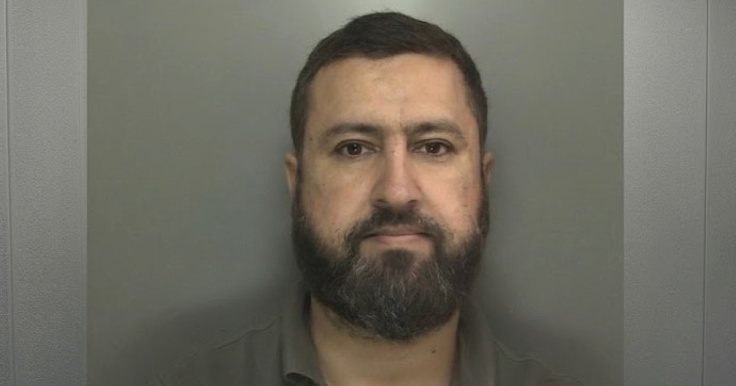
An Amazon Flex delivery driver who built a secret exam-cheating empire stretching across UK universities has been jailed for three years after investigators discovered more than £2.4 million sitting across his bank and trading accounts.
Shahid Adnan, 43, a part-time tutor from Liverpool, completed coursework and sat online tests on behalf of more than 100 students nationwide in exchange for payment, in what prosecutors described as the most lucrative scheme of its kind ever uncovered in the UK.
One student alone paid Adnan £14,000 to complete and submit work he then tried to pass off as his own.
Despite his unassuming day jobs as a tutor and delivery driver, Adnan funded family holidays to destinations including Dubai and owned both an Audi and a BMW, a lifestyle police said was far beyond what his declared income could explain.
How A Routine Coursework Check Exposed A Nationwide Racket
Adnan's scheme unravelled in February 2023, when a Liverpool John Moores University (LJMU) computer forensics science student handed in coursework on a pen drive that he claimed was entirely his own. In reality, he had paid Adnan £14,000 to produce it.
Lecturer Dr Tom Berry ran a standard digital forensics check on the device and found it had previously been used by Adnan, with files linking it directly to Study Sharp Limited, the tutoring company Adnan ran from his Liverpool home.
Dr Berry also discovered spreadsheets listing other students by name, alongside their study modules, coursework deadlines, and personal university login credentials, evidence that Adnan had been using those details to fraudulently submit coursework and sit examinations posing as the students themselves.
An IP address used to submit multiple pieces of student work was later traced back to Adnan's home address. When questioned, Adnan admitted logging into the university's system using the computing student's credentials, but initially claimed he had been paid just £250 for the work, a figure police quickly suspected was a fraction of the truth.
Cash, Cars, And A Lifestyle That Didn't Add Up
Suspicious of how a tutor and delivery driver could afford such a lifestyle, Merseyside Police's Cyber Dependent Crime Unit obtained a search warrant for Adnan's home in Everton.
Officers who raided the property, which was filled with upmarket white goods and luxury furnishings, found bundles of cash on the premises.
Further financial checks revealed the true scale of what Adnan had amassed. His Barclays account held £1,505,156, while his Lloyds personal account contained £600,590 and a separate Lloyds business account held £245,279. A PayPal account added a further £110,214, bringing the total uncovered across his accounts to more than £2.4 million.
That figure represents what investigators found sitting in Adnan's accounts at the time of the raid, rather than a confirmed total of his criminal earnings.
Prosecutor Jonathan Rogers told Liverpool Crown Court that the original value of Adnan's offending was assessed at over £2 million, but that figure was later reduced following a forensic accounting report and negotiations between prosecution and defence.
Rogers stressed that the £300,000 figure ultimately used was for sentencing purposes only, and not the outcome of separate proceeds-of-crime proceedings still to follow.
'A Dark Path': Judge Hands Down Three-Year Sentence
Adnan was charged with fraud by false representation, unauthorised access to a computer system, and converting criminal property, and admitted all three offences at separate hearings last year. Prosecutors said they believed he had fraudulently assisted 124 students across universities throughout the UK.
Sentencing him at Liverpool Crown Court, Recorder Andrew Vinson told Adnan his offending had been 'prolonged and sophisticated.'
Addressing how a qualified academic had ended up running a criminal enterprise, the judge said: 'You started out as a legitimate tutor, and you are a highly educated and qualified individual. You have been led down a dark path.'
Vinson said Adnan had abused his position by 'fraudulently monetising' university courses and exams, undermining public confidence in the higher education system, and that his sentence needed to include a clear element of deterrence.
Defending Adnan, Ian Whitehurst told the court his client had no previous convictions and felt 'considerable shame' over what he had done.
Adnan, who holds a PhD in microwave engineering and has since become an Uber driver, sat with his head bowed throughout the hearing.
A Crime Specifically Outlawed To Protect Academic Standards
Adnan's case falls under so-called contract cheating, commonly known as essay mills, which became a criminal offence in 2022 under legislation designed to stop students from artificially inflating their grades. The law made it illegal to provide, or to arrange for someone else to provide, such services to students in exchange for payment.
Senior Crown Prosecutor Andrew Madden said Adnan had constructed complex audit trails across his bank accounts specifically to avoid detection, and spent heavily to use up the proceeds and avoid having to repay them.
Madden added that Adnan was 'a fraudster who wanted more than his declared employment could give him, so he turned to crime and tried to outwit the authorities.'
Detective Sergeant Adam Dagnall of Merseyside Police said the wider consequences of academic fraud extend well beyond the university gates, warning that unchecked cheating risks producing graduates who enter careers without the skills their qualifications claim to certify.
'The risks of that to society are clear to see,' he said.
University Defends Its Safeguards
LJMU said in a statement that it was pleased the diligence of its staff and its existing safeguards had identified an issue affecting multiple universities, and that the institution had supported Merseyside Police's investigation throughout.
The university added that it promotes a culture of academic integrity, takes all forms of academic dishonesty seriously, and continually reviews the safeguards in place to protect the integrity of its assessment processes.
© Copyright IBTimes 2026. All rights reserved.
- Recommended For You