

Will Kate Bishop Make a Fatal Mistake in Avengers: Doomsday? Doctor Doom Theory Explained
Kate Bishop's return sparks a theory that Doctor Doom could exploit the compassion Marvel's heroes have relied upon, potentially turning their greatest strength into a weakness
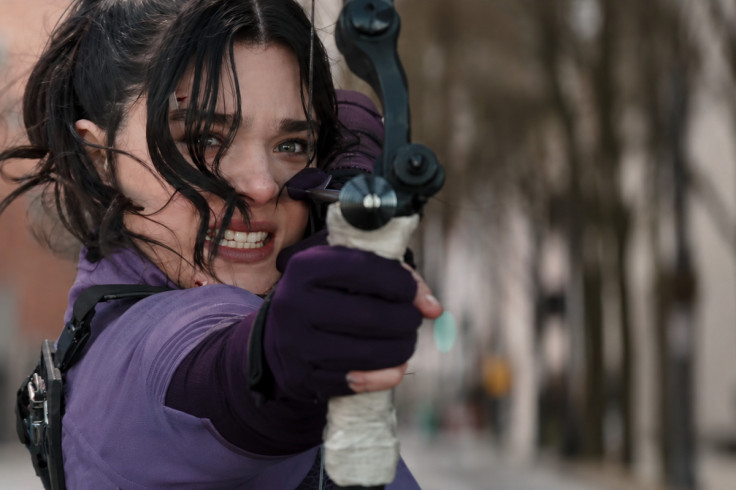
If Hailee Steinfeld reprises her role as Kate Bishop in Avengers: Doomsday, Marvel's young Hawkeye could face an unfamiliar predicament: what if doing the compassionate thing helps Doctor Doom win? One possible theory suggests that the MCU's increasing emphasis on compassion could become a liability against a villain who knows how to exploit it.
The prediction is not a leaked plot. It connects Kate's choices in Hawkeye with a pattern across Marvel endings, then asks whether Doom could deliberately turn that moral instinct against the Avengers.
What Makes Kate Bishop Vulnerable to Doctor Doom?
Kate's encounter with Yelena Belova provides the clearest clue. In Hawkeye, Yelena targets Clint Barton because she believes he caused Natasha Romanoff's death; Kate challenges that accusation despite knowing Yelena is an assassin.
Kate's approach is neither blind trust nor surrender. She fights Yelena when necessary, but recognises that grief, rather than cruelty, motivates her. Clint resolves the confrontation by revealing his connection to Natasha, demonstrating that the truth can accomplish what force cannot.
That experience could shape Kate's response to Doom. If he claims his actions protect his people or prevent a greater catastrophe, she might insist on hearing him out before striking.
Has Marvel Trained Its Heroes to Choose Mercy?
In Thor: Love and Thunder, Thor persuades Gorr to use Eternity's power to restore his daughter instead of continuing his revenge. The resolution works because Gorr still values love more than destruction.
Black Panther: Wakanda Forever offers a different calculation: Shuri spares Namor after recognising that killing him could perpetuate war between Wakanda and Talokan. Mercy becomes a strategic decision, not merely an emotional one.
In Thunderbolts, the team reaches Bob Reynolds through shared vulnerability, confronting the pain feeding the Void. Across these stories, heroes succeed by understanding what an opponent needs, although their circumstances and motives differ.
How Could Doctor Doom Turn That Pattern Against Kate?
Whether the MCU's Doctor Doom will share these motivations remains unknown, but his comic-book history provides a possible foundation for the theory. In Marvel Comics, Victor von Doom frequently presents domination as a necessary price for order, combining intelligence with an unwavering belief in his own judgement.
A possible Doomsday scenario would see Doom present a bargain: spare one world, rescue civilians or negotiate peace in exchange for the Avengers standing down. Kate might support the offer because rejecting it appears to endanger innocent lives.
But Doom could use that pause to secure technology, separate the heroes or advance a plan. The mistake would not be Kate showing kindness; it would be accepting a promise without recognising that Doom controls the terms.
Could Kate Recognise the Trap Before It Is Too Late?
There is a counterargument. Kate survived encounters with Kingpin and Yelena by acting under pressure, and Clint taught her that heroism requires judgement as well as courage.
She might therefore be the person who spots Doom's manipulation, because she understands the difference between genuine grief and a calculated appeal for sympathy. Her empathy could become an advantage if she listens closely enough to detect contradictions.
Marvel has confirmed Kate's return, not a meeting with Doom or any outcome. The theory's real question is whether Doomsday will punish the Avengers for believing everyone can change, or show that compassion works best when paired with scepticism.
© Copyright IBTimes 2026. All rights reserved.