EA Layoffs 2026: Gaming Giant Fires 10-Year Veterans Ahead of Controversial $55 Billion Saudi Takeover
EA's recent job cuts affect long-serving staff as the company faces a $55 billion Saudi takeover, raising concerns over industry stability.

EA has launched another round of job cuts in 2026, with long-serving staff, including some 10-year veterans, among those affected across the United States and India, as the gaming giant moves closer to a controversial $55 billion takeover by Saudi Arabia's Public Investment Fund.
The latest EA layoffs come amid a prolonged wave of job losses across the global games industry, where studios have been trimming teams following pandemic-era expansion and rising costs. The sector has seen repeated restructures since 2023, with publishers citing overhiring, shifting player habits and the growing use of AI tools as contributing factors.
Layoffs Hit 10-Year Veterans Across Multiple Teams
The exact number of roles cut in the latest EA layoffs remains unclear. Reports indicate that employees across customer support, IT and recruitment teams were affected, spanning both remote and office-based positions in the US and India.
An internal email sent to customer support staff a week before the cuts referenced upcoming changes to 'some roles' and adjustments to team responsibilities. It also suggested that new positions would be created, hinting at a broader restructuring rather than a straightforward downsizing. That kind of language tends to land awkwardly when people with a decade at the company suddenly find themselves out of a job.
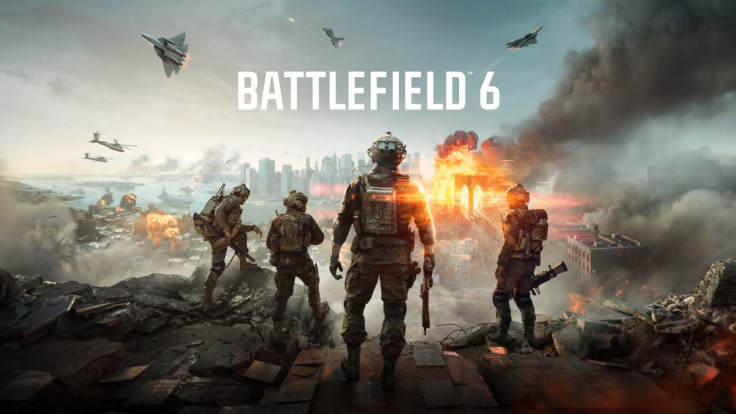
EA has carried out multiple layoffs in recent years. In 2025, the company cut staff at Respawn and Codemasters and shut down Cliffhanger Games entirely. Earlier in 2026, Battlefield Studios also saw job losses, despite 'Battlefield 6' reportedly being the best-selling game of 2025.
BioWare reportedly saw layoffs after 'Dragon Age: The Veilguard' failed to meet expectations. The pattern suggests a company recalibrating aggressively, though not always consistently, depending on which project or division is under scrutiny.
Saudi Takeover Adds Pressure to EA Layoffs Narrative
The timing of these EA layoffs has sharpened attention on the company's pending $55 billion takeover by Saudi Arabia's Public Investment Fund. The deal, expected to close by 30 June, is still awaiting EU antitrust approval, with a deadline set for 22 July.
The proposed acquisition has drawn criticism from gamers, politicians and advocacy groups, particularly around concerns over influence and creative direction. Within gaming communities, anxiety has centred on flagship franchises such as 'The Sims 4,' where players fear potential shifts in content or monetisation strategies.
EA has attempted to reassure audiences that its creative independence will remain intact. So far, those assurances have not entirely settled the conversation. Some content creators and fans continue to question what a Saudi-backed future might look like for one of the industry's most influential publishers.
Posts circulating on X and Reddit have pointed to the optics of cutting experienced staff while pursuing a multibillion-dollar deal. Others, more cautiously, note that restructuring often precedes major corporate transitions.
What is clear is that EA is not alone. The wider industry has been shedding jobs at a steady pace throughout 2026. Sony has closed Bluepoint Games. Ubisoft has implemented layoffs across several studios. Meta has scaled back its investment in VR game development, closing multiple teams. Starbreeze has also reportedly reduced staff working on 'Payday 3.'
Even more cuts are on the horizon. Xbox has already warned employees that significant layoffs are expected in July 2026, signalling that the current cycle is far from over.
For workers affected by EA's latest round, the timing could hardly be worse. With studios downsizing across the board, opportunities are tightening, particularly for specialised roles. Experience, even a decade of it, is no longer the safety net it once seemed to be. That reality is hitting the industry hard, and not quietly.
And then there is the bigger question hanging over all of this. If major publishers are cutting staff during profitable years and ahead of major investments, what does stability in gaming actually look like now?
© Copyright IBTimes 2026. All rights reserved.
- Recommended For You