'The World Cup Was Never Anyone's to Sell': UK PM Slams FIFA's $20 Billion Rights Plan
FIFA says the new venture would fund football development, but UEFA, clubs, and politicians warn private investment could reshape the game

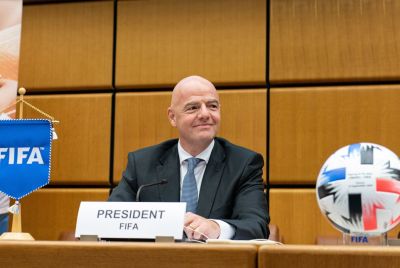
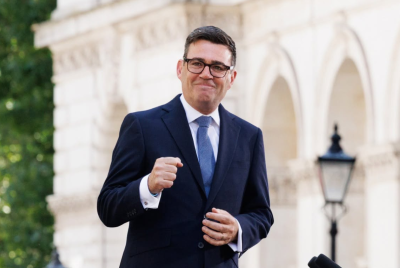
FIFA's proposal to sell minority commercial rights in the FIFA World Cup and other major tournaments has drawn fierce criticism from UK Prime Minister Andy Burnham, who warned that football's biggest competition 'was never anyone's to sell.'
The governing body has announced plans to establish FIFA Forward Enterprise (FFE), a new commercial entity that would allow outside investors to buy minority stakes in the commercial rights to competitions including the men's World Cup, the women's World Cup, and the Club World Cup.
FIFA says the initiative would unlock billions of dollars to expand football development worldwide while leaving sporting decisions entirely under its control. However, the proposal has prompted immediate opposition from UEFA, senior football figures, and supporters who argue the move risks placing commercial interests ahead of the game itself.
Before the proposal can proceed, it must receive approval from FIFA's member associations. The debate has already become one of the most controversial governance issues facing world football in recent years.
The announcement below outlines FIFA's plans to establish FIFA Forward Enterprise and explains how the governing body says additional investment would be used to support football worldwide.
FIFA intends to expand football development funding to over USD 10 billion subject to approval by FIFA Member Associations:
— FIFA (@FIFAcom) July 28, 2026
FIFA Seeks to Ease Investor Concerns
FIFA's proposed commercial partnership has prompted questions about whether outside investment could influence the future direction of its flagship tournaments.
The governing body says it will retain exclusive authority over World Cup formats, scheduling, governance, and the international football calendar, while FIFA Forward Enterprise will oversee the commercial rights to its biggest competitions.
However, some critics argue that bringing in commercial investors could increase pressure over time to maximise revenues through expanded competitions, more frequent tournaments, or hosting events in the most lucrative markets.
Although FIFA has said investors would hold only minority, non-controlling stakes, some observers believe commercial interests could still shape the organisation's long-term strategic priorities.
Why Critics Are Opposed
Opponents argue that introducing private investment into football's biggest competitions risks changing how major decisions are made in future. Prime Minister Andy Burnham said football belongs to supporters rather than investors.
'The World Cup is not a product,' Burnham wrote on X.
'It is the greatest competition in world sport, and it was never anyone's to sell.'
Let me say this very directly.
— Andy Burnham (@andyburnham) July 28, 2026
Football does not belong to investors. It belongs to the people who fill the stands and who stand on the touchline week in, week out, rain or shine.
The World Cup is not a product. It is the greatest competition in world sport, and it was never…
UEFA also issued an unusually forceful response, accusing FIFA of attempting to 'sell the soul of football' and warning that the proposal crosses a line governing bodies should never cross. The European governing body said the commercial value of football should not come ahead of transparency or the long-term interests of supporters.
FIFA Says Investors Will Not Influence World Cup Decisions
FIFA says it will retain exclusive authority over tournament formats, scheduling, governance, and other sporting decisions, even as it opens its new commercial entity to outside investors.
However, critics argue that once commercial investors become financially involved, pressure could grow to maximise revenues through more frequent tournaments, expanded competitions, or hosting events in the most lucrative markets.
Although FIFA has promised investors would hold only minority, non-controlling stakes, opponents believe commercial influence could still affect long-term decision-making.
What Happens Next?
The proposal must still receive support from FIFA's member associations before moving forward.
If approved, FIFA Forward Enterprise would become responsible for managing the commercial rights of several of football's biggest competitions while FIFA continues overseeing the sport itself.
The debate is expected to intensify as national associations, leagues, clubs, supporters, and governments consider whether the promise of billions in additional development funding outweighs concerns over the increasing commercialisation of world football.
© Copyright IBTimes 2026. All rights reserved.
- Recommended For You