

The Surprising Reason Madonna, Shakira, BTS, and Justin Bieber Made $0 at the FIFA World Cup
Millions watched, but the superstars were not after a multi-million-dollar payday
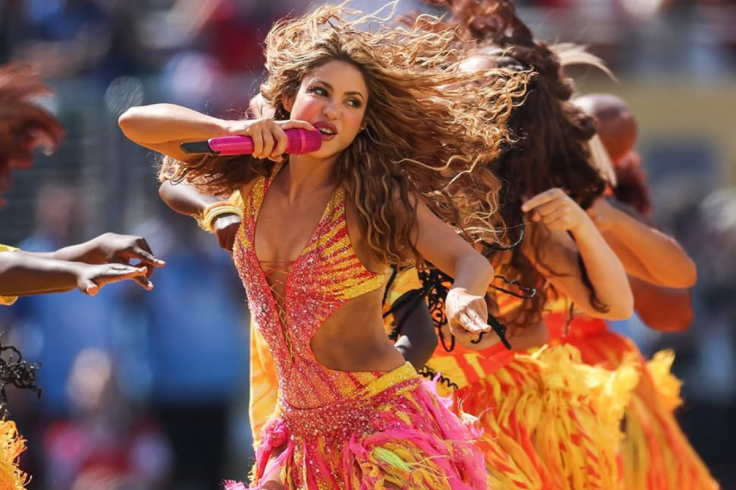
The World Cup final's inaugural half-time show had everything that you'd expect from a blockbuster event: a star-studded line-up, a massive audience, and worldwide attention. When Madonna, Shakira, BTS, and Justin Bieber appeared on the show, it looked like one of the biggest gigs in music. Given the scale of the event, many expected the performers to command multimillion-dollar fees.
In reality, reports said the headline performers did not receive traditional appearance fees for the show, choosing to support the charitable initiative instead.
Why Madonna, BTS, Shakira, and Justin Bieber Performed for Free
For the first time in the tournament's history, the 2026 FIFA World Cup final featured a Super Bowl-style half-time show. As Spain and Argentina left the pitch at half-time, the stadium became a spectacular music event, with global music artists Madonna, BTS, Justin Bieber, and Shakira and appearances by Jason Sudeikis, Brendan Hunt, and the Muppets.
Given the scale of the production, many thought the performers earned eye-watering sums. In reality, reports indicated the headline acts did not receive traditional performance fees. Instead, they agreed to perform in support of Global Citizen, the advocacy organisation that partnered with FIFA on the inaugural half-time show to help raise awareness for its education initiative.
While only production costs were covered, the chance to perform before one of the world's largest television audiences was widely seen as the real reward for the artists.
A Cause Bigger Than Football
Although it delivered entertainment, the first-ever FIFA World Cup final half-time show was ultimately designed to advance a much bigger cause. The artists' performance helped put the spotlight on the FIFA Global Citizen Education Fund. The initiative aims to raise $100M to provide better access to education and football opportunities for children worldwide.
Announcing the half-time show, FIFA president Gianni Infantino said that the half-time show would 'shine a light on a greater purpose,' supporting efforts to expand access to education and football for children worldwide.
Justin Bieber also echoed this, pointing to the event's educational impact. In a statement published on FIFA's website, Bieber said, 'The FIFA World Cup brings the world together in a way nothing else can. I'm grateful to be part of this half-time show, and even more grateful knowing it's already helping expand access to education for children around the world.'
Why Global Exposure Is More Important Than a Pay Cheque
The performers may not have been paid, but they gained something that many artists value more: global exposure. A massive global audience can translate into a dramatic increase in streams, downloads, merchandise sales, and online engagement in the days and weeks after the show.
It's similar to the well-known 'Super Bowl effect', where artists see a huge popularity boom after taking to the stage. The exposure is a significant investment for the artist's career, as FIFA's new half-time show is expected to have a similar impact.
The Half-Time Show Split Football Fans
The headline-grabbing performances from the stars didn't impress everyone. The extended half-time break was longer than the usual 15 minutes, and many fans were frustrated that the match was not allowed to go on.
Former England captain Wayne Rooney was one of the show's most vocal critics. When asked what his favourite moment from the half-time show was, Rooney said, 'I'll be honest, mine was when it finished. I like a lot of them artists, but I thought it was crap.' His comments sparked debate online, with many fans divided over whether the World Cup should also embrace a more Super Bowl-style spectacle or stay true to its traditional roots.
The half-time show not only sparked debate but also drew attention to a cause bigger than the performance itself. For the headline acts, it wasn't just about the money. It also provided them with the platform to reach millions of people and the opportunity to leverage one of the world's biggest sporting events to promote children's education.
© Copyright IBTimes 2026. All rights reserved.