

Report: Shakira, BTS and Other Artists Didn't Get Paid Based on Talent Fee at World Cup Final Halftime Show
Still, not everybody was entertained by the spectacle
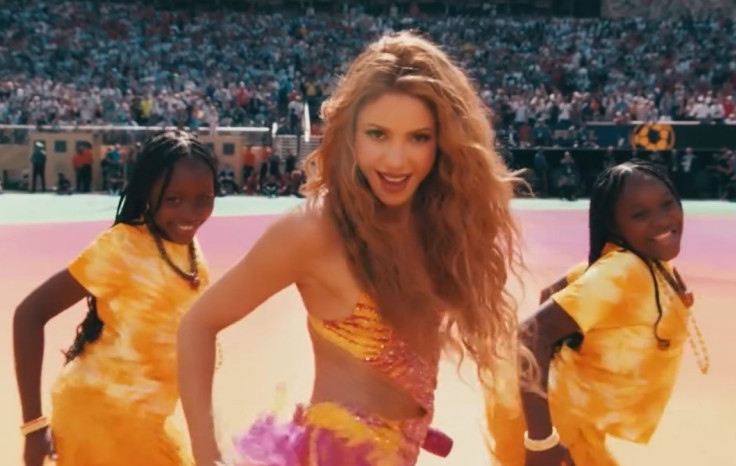
An array of global stars took centre stage as FIFA World Cup 2026 unveiled a historic halftime spectacle. The World Cup Final Halftime show generated exactly the attention organisers had hoped for.
Millions of viewers watched as an all-star line-up featuring Shakira, Madonna, BTS and Justin Bieber delivered performances during the interval of football's biggest match, creating one of the tournament's most talked-about moments.
Clips from the show quickly spread across social media, where fans praised the production values, elaborate staging and celebrity appearances. The event also marked a significant shift for FIFA, introducing a Super Bowl-style halftime entertainment format to the World Cup final for the first time.
However, while the performances dominated online discussion, many viewers were left wondering how much were the artists paid.
No Artist Was Paid Based on Talent Fee
According to Spanish sports publication Marca, the answer may surprise many fans. The report says the performers did not receive a standard appearance fee despite their global status.
Instead, the arrangement reportedly mirrors the model used for the NFL Super Bowl halftime show. Under that system, organisers cover the costs of production, staging, travel and logistics, but performers do not receive a traditional concert payday.
The report noted that the value lies elsewhere. Appearing before one of the largest television audiences on the planet offers unparalleled exposure, often translating into significant increases in music streams, album sales, merchandise purchases and ticket demand in the weeks after the event.
Charity Initiative Over Massive Payday
Other reports also suggest FIFA linked the halftime show to a charitable initiative from the outset. Rather than negotiating large appearance fees, the performers reportedly agreed to support the Global Citizen Education Fund, which aims to raise $100 million (£74 million) for education projects and grassroots football programmes benefiting children around the world.
Although the artists are said to have received a modest rehearsal stipend, reports indicate the payment was intended only to cover preparation costs and was nowhere near the level usually associated with stadium concerts or international tours.
Not All Were Amused
Despite attracting enormous online engagement, the halftime show divided opinion among football supporters.
Many welcomed FIFA's attempt to modernise the World Cup final and introduce an entertainment element comparable to other major sporting events. Supporters argued the performances broadened the tournament's appeal and created another memorable moment for viewers around the world.
Others, however, felt the concert distracted from the sport itself. Critics argued the World Cup final should remain focused on football rather than celebrity entertainment.
Among the most prominent voices expressing reservations was football icon Wayne Rooney, who criticised the spectacle and questioned whether such performances belonged at the sport's biggest occasion.
The mixed reaction highlights the challenge FIFA faces as it seeks to balance football tradition with modern entertainment. Regardless of opinion, the event achieved one undeniable outcome.
It dominated headlines, fuelled conversations across social media and placed both the artists and FIFA at the centre of global attention. For performers reportedly foregoing a conventional payday, the extraordinary worldwide exposure may ultimately prove far more valuable than any appearance fee.
© Copyright IBTimes 2026. All rights reserved.