'Manosphere' Influencers Profit by Making Your Teenage Boys Angry at Women, Ex-Reality TV Star Warns Parents
Georgia Harrison says the battle against online misogyny starts with understanding who profits from it and how young boys are being influenced.
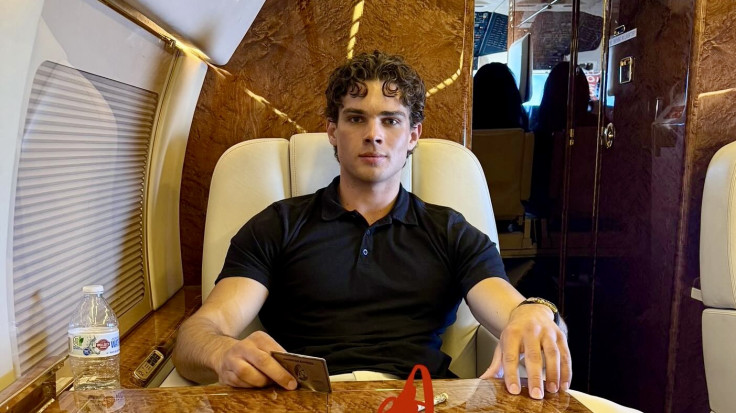
Former reality TV star Georgia Harrison has warned parents that some 'manosphere' influencers are making money by encouraging teenage boys to develop anger and resentment towards women.
Harrison said the online networks promoting misogynistic content had become a commercial industry, with creators profiting through courses, subscriptions, and merchandise aimed at audiences consuming increasingly hostile messages.
The campaigner raised the issue after visiting Downing Street, where she said she questioned Prime Minister Keir Starmer about the impact of harmful online content on young people. Harrison said her concerns came from years of witnessing the effects of online abuse and the way social media can spread damaging messages.
How Manosphere Influencers Are Getting Rich
Harrison argued that some online figures deliberately use anger as a way to attract attention and build profitable followings.
'The men getting rich from this aren't hiding,' she wrote. 'You know their names. They sell the courses, the subscriptions, the merchandise — and the angrier they make your son, the more they earn.'
She said the problem was not only about individual users posting offensive material, but also about the wider systems that allow controversial content to reach large audiences.
According to Harrison, social media algorithms can reward content designed to provoke strong reactions because outrage often keeps people watching, sharing, and returning to platforms.
'It is a business. We should start treating it like one,' she said.
The term 'manosphere' refers to a collection of online communities focused on men, masculinity, and gender issues. While some groups discuss topics such as relationships and men's experiences, critics have raised concerns about parts of the movement that promote misogynistic views or encourage hostility towards women.
Harrison's warning focused specifically on the influence of creators who she believes use these messages to attract young male audiences and generate income.
Concerns Over Teenage Boys Online
Harrison said parents should pay closer attention to the online spaces their children are entering, arguing that harmful messages can spread gradually through everyday digital platforms.
She said many young people may encounter this type of content through recommendations rather than actively searching for it, allowing certain viewpoints to become part of their regular online experience.
The campaigner also linked the issue to her own experiences of online abuse and having private aspects of her life shared publicly without consent.
She argued that people should be held responsible for what they post and share online, particularly when content affects another person's safety or reputation.
'We should treat what you post about another person as seriously as anything else you do to them,' Harrison said.
However, she rejected the idea that tackling harmful online content should mean restricting free speech.
'Not censorship. Not the nanny state. Just the accountability we teach our own children,' she wrote.
Harrison said she did not have every answer but wanted to build a project that listened to young people, parents, teachers, and men who had been affected by these online spaces.
Her warning comes as governments and technology companies continue to face questions over how to balance online freedom with protecting younger users from harmful material. The debate remains focused on whether platforms are doing enough to address content that critics say can influence attitudes towards women and relationships.
© Copyright IBTimes 2026. All rights reserved.
- Recommended For You