Social Media Ban for Under-16s: What Young People Stand to Lose if Access Is Restricted
Experts argue that limiting social media access alone may not address online risks without stronger media literacy education and alternative spaces for young people to connect.
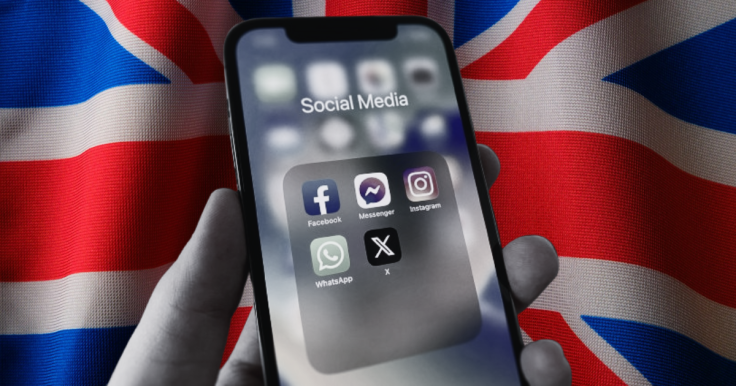
Concerns about the impact of social media on young people have intensified in recent years, with parents, educators, and child development experts increasingly questioning how digital platforms shape wellbeing, learning, and social interaction.
While restricting access is often presented as a way to reduce online harms, some experts argue that limiting social media use alone may not address the broader challenges young people face in navigating an increasingly digital world.
Rosie Parkyn, executive director of the Guardian Foundation, believes that reducing access without providing alternative forms of support could leave young people less prepared to engage critically with online information and digital communities.
Lessons From Restrictions Elsewhere
Parkyn points to Australia, where similar age-based restrictions on social media were introduced last December, as an example of the complexities involved.
According to research cited in her article, around two-thirds of young people retained their social media accounts despite the restrictions. The same study found that 51 per cent of those most affected by the measures reported seeing less news as a result.
For many teenagers, social media serves as more than a source of entertainment. It is also one of the primary ways they encounter information about current events and the wider world.
Much of that exposure happens incidentally while scrolling through a mixture of videos, trends, lifestyle content, and personal updates.
Parkyn argues that if access is reduced, alternative routes to trusted information become increasingly important.
Young People Still Want To Connect
Despite growing concerns about misinformation and harmful content online, social media continues to play a significant role in how many young people communicate, build relationships, and express themselves.
Parkyn notes that digital platforms often fill gaps left by the decline of youth clubs, community organisations, and extracurricular activities. While online spaces present risks, she argues they also provide opportunities for connection that many young people value.
She acknowledges widespread concerns about the quality of information found on social media. According to data cited in the article, 73 per cent of people in the UK do not view social media platforms as the best place to obtain reliable information.
Even so, Parkyn argues that helping young people understand how online information works may be more effective than assuming they can simply be separated from it altogether.
Media Literacy As A Critical Skill
A central part of Parkyn's argument focuses on media literacy education. Through programmes delivered in primary and secondary schools, students are taught how to verify information, assess sources, identify bias, and understand how algorithms influence what appears in their feeds.
The programmes also explore how platform economics, filter bubbles, and engagement-driven content can shape behaviour online. Students discuss issues such as misinformation, online manipulation, and the incentives that drive emotionally charged content.
According to Parkyn, teachers involved in these programmes report feeling more confident handling complex conversations about online information, while many students respond enthusiastically to creating their own journalism rather than simply consuming content produced by others.
Preparing Young People For An AI-Driven Information Age
Media literacy is scheduled to become part of England's national curriculum from September 2028. Parkyn argues that this change comes at a crucial moment, as artificial intelligence tools and conversational chatbots become increasingly embedded in everyday life.
She references research showing that regular news consumption improves knowledge of current affairs and is associated with higher levels of civic participation. She also points to findings from the Guardian Foundation suggesting a strong correlation between media literacy and civic engagement.
At a time when misinformation and disinformation continue to spread rapidly online, Parkyn believes the ability to evaluate information critically will become an essential life skill.
A Broader Approach To Supporting Young People
Parkyn also questions whether modern education places too much emphasis on memorising information for examinations and not enough on teaching students how to evaluate and use information effectively.
In her view, the ability to critically assess the vast amount of information young people encounter daily may prove more valuable over the long term than simply retaining facts.
Her conclusion is that protecting young people online requires more than restricting access to digital platforms. She argues that support should also include properly funded media literacy education and safe spaces where young people can connect, participate, and develop a sense of belonging.
The Bigger Challenge
The discussion ultimately extends beyond social media itself. At its core is a question about how best to prepare young people for a world where digital platforms increasingly shape communication, learning, and access to information.
While restrictions may reduce certain risks, Parkyn argues that long-term success depends on helping young people develop the skills, confidence, and judgement needed to navigate the digital landscape responsibly.
Her central message is that limiting access alone is unlikely to be enough. Equipping young people with the tools to understand, question, and engage with the online world may ultimately prove just as important.
© Copyright IBTimes 2026. All rights reserved.
- Recommended For You