Can a Trump-Linked Oil Firm Drill in Greenland? Officials Issue Clear Warning
Greenland emphasises the need for official approval for any resource exploration
Greenland's government has issued a firm warning to a Trump-linked oil company after reports suggested it was considering exploration activities in the Arctic territory, making clear that no drilling can take place without official approval.
The statement comes amid renewed interest in Greenland's vast natural resources and follows reports involving a company connected to businessman and former US President Donald Trump. Greenlandic authorities stressed that any attempt to explore or develop oil and gas resources without the necessary permits would violate the territory's laws and regulatory framework.
The warning has reignited debate over Greenland's energy future and raised fresh questions about who controls access to the island's untapped resource wealth.
Why Greenland Warned a Trump-Linked Oil Firm
Officials moved to clarify the territory's position after reports emerged suggesting that a Trump-linked company was exploring opportunities related to Greenland's energy sector.
Greenland's government responded by emphasising that no company can conduct drilling operations or resource exploration without securing the appropriate licences and approvals from authorities.
The statement was intended to remove any uncertainty surrounding the territory's rules, with officials reiterating that Greenland retains full authority over decisions involving natural resource development.
The warning also reflects broader sensitivities surrounding foreign interest in Greenland, which has increasingly become the focus of geopolitical and economic attention due to its strategic location and vast reserves of minerals and other natural resources.
Does Greenland Currently Allow Oil Drilling?
In practice, the prospects for new oil drilling in Greenland remain highly limited.
The Greenlandic government halted future oil and gas exploration licensing in 2021, citing economic and environmental concerns. Officials argued at the time that the environmental risks associated with petroleum extraction were difficult to justify given global efforts to reduce carbon emissions and transition towards cleaner energy sources.
As a result, companies seeking to pursue new drilling projects face significant legal and regulatory hurdles.
Any proposal involving offshore or onshore petroleum development would require extensive government review and approval before moving forward.
Why Greenland's Resources Attract Global Interest
Despite restrictions on oil exploration, Greenland remains one of the world's most closely watched resource frontiers.
The Arctic island is believed to hold substantial deposits of rare earth minerals, critical metals and other resources essential to modern technologies, including electric vehicles, renewable energy systems and advanced defence equipment.
Growing international competition for these materials has drawn attention from governments, investors and corporations seeking to secure future supply chains.
The territory's strategic importance has also increased as climate change alters Arctic shipping routes and improves access to previously inaccessible regions.
Resource Sovereignty Remains a Key Issue
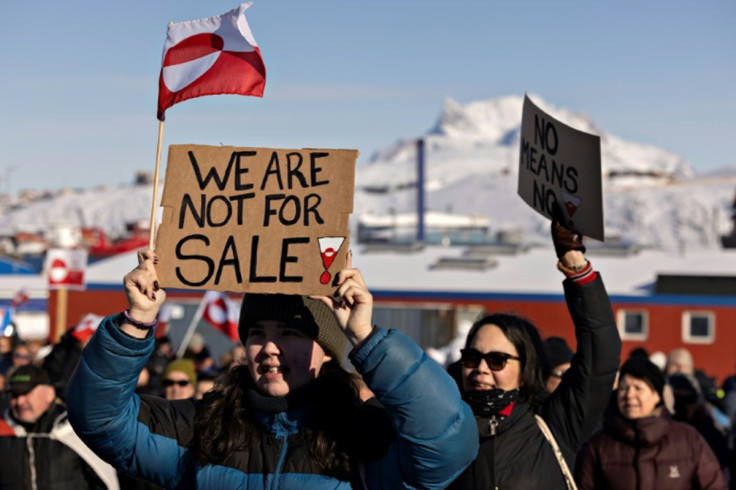
Greenland's latest warning highlights a broader message that officials have consistently sought to reinforce: decisions about resource development will be made in Greenland, not elsewhere.
Political leaders have repeatedly stressed the importance of protecting the territory's sovereignty over its natural resources, particularly as international interest continues to grow.
The statement serves as a reminder that any company hoping to operate in Greenland must comply with local laws and regulatory requirements, regardless of its investors or political connections.
While the Trump-linked firm's reported interest has generated headlines, Greenland's position remains unchanged. Officials have made it clear that no drilling can proceed without government authorisation, underscoring the territory's determination to maintain control over how its resources are managed and developed in the years ahead.
© Copyright IBTimes 2026. All rights reserved.
- Recommended For You