

Trump's Hormuz Toll Gamble Ends Quickly: 20% Fee Abandoned After Single Day in Power Play
President Trump retracts 20% toll proposal for Hormuz Strait, opting for trade deals with Gulf nations
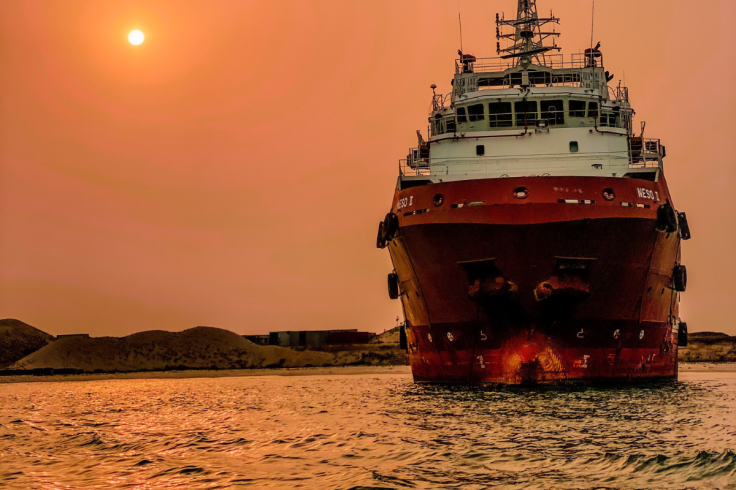
President Donald Trump has abandoned his proposal for a 20 per cent toll on cargo transiting the Strait of Hormuz, reversing the plan just one day after it was unveiled. The decision followed appeals from Gulf allies and substitutes the fee with commitments to expanded trade and investment deals from the region.
Trump Announces Toll Plan To Cover Security Costs
On Monday the president posted on Truth Social that the United States would henceforth be known as 'THE GUARDIAN OF THE HORMUZ STRAIT'. He argued the charge of 20 per cent on all cargo shipped through the waterway represented fair reimbursement for American protection services. The announcement came amid ongoing friction with Iran over the strategic passage and followed earlier references to potential tolls if agreements stalled. In June Trump had indicated no tolls during a ceasefire period unless deals failed.
The strait accounts for around one fifth of global seaborne oil trade. Volumes passing through it had already dropped markedly in preceding days, contributing to oil prices reaching their highest point in a month.
White House aides had consistently cautioned against the measure, highlighting risks to US diplomatic goals and the possibility of higher energy costs worldwide. Questions also arose over practical enforcement and collection of any such fee, with no mechanism detailed at the time of the announcement.
Gulf Leaders Persuade Rapid Reversal
By Tuesday Trump had withdrawn the toll. He cited conversations with Middle East leaders, including kings and emirs from Saudi Arabia, the United Arab Emirates, Bahrain and Qatar, who proposed replacing it with major US investment and trade deals.
Trump indicated he preferred this approach as it still secured reimbursement for protection efforts without imposing direct charges on shipping. He later remarked that he did not think anybody should be able to charge a fee for the strait. Officials described an intensive 24-hour effort by allies and administration figures to convince the president to change course.
The Gulf states offered unspecified but substantial new commitments to American projects. No details on the scale or timing of these investments have yet been released, though they are expected to form part of broader economic cooperation between the parties involved.
Context Of Iran Dispute And Market Impact
The policy shift took place against a backdrop of continued US efforts to counter Iranian attempts to influence the waterway. A previous ceasefire arrangement had included provisions against tolls during a limited period, though disputes over its interpretation persisted.
Iran's foreign minister had responded to the original proposal by agreeing that compensation for secure passage made sense in principle, while describing the 20 per cent rate as too high. Global shipping companies had raised alarms about potential disruption and added costs from the toll idea. With the plan now dropped, focus has moved to implementation of the investment alternative.
The strait remains open to commercial traffic from all nations except Iran, according to the latest US position. Further updates on the new deals are anticipated as discussions progress and officials clarify how the arrangement will support ongoing security operations in the region.
© Copyright IBTimes 2026. All rights reserved.