

21 IDF Contractors and Soldiers Arrested in Alleged $65M Gaza Fuel and Invoice Fraud
The investigation examines alleged manipulation of heavy machinery and fuel contracts during the Gaza war
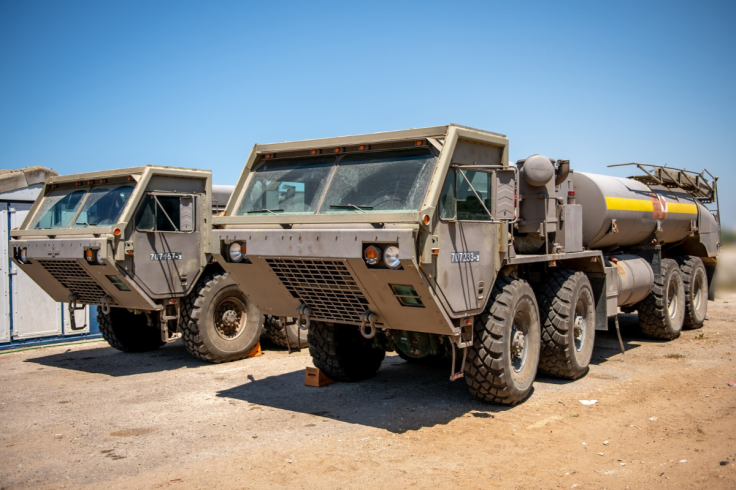
Twenty-one civilian contractors and Israeli military personnel have been arrested in an investigation into an alleged $65 million (£49 million) fraud involving fuel and infrastructure contracts in Gaza. Investigators suspect wartime procurement arrangements were exploited to divert public money through stolen fuel, false invoices, and inflated claims for engineering work.
The arrests took place across Israel on Tuesday, 20 October 2026, after a months-long covert investigation. The suspects include 16 civilian contractors and five career military personnel, including non-commissioned officers who allegedly liaised between the army and suppliers. At a court hearing on 21 October, the Military Prosecution put the suspected financial scope at NIS 200 million.
The case raises questions about how the IDF monitored fuel use and verified work carried out by private contractors in an active conflict zone.
How the Alleged Fraud Targeted Military Procurement
Police suspect contractors stole fuel worth millions of shekels while operating heavy engineering machinery in Gaza. Investigators are also examining allegations that companies invoiced the Defence Ministry for work never performed, or for materials and services that were not fully supplied.
The suspected scheme allegedly relied on false records and inflated reports of work completed. Military non-commissioned officers are suspected of acting as intermediaries between contractors and the army, with some allegedly receiving bribes in return for helping suppliers reduce operating costs and increase profits.
The suspected offences include bribery, obtaining property by deception, money laundering, false accounting, and tax offences. The investigation involves Israel Police's Lahav 433 unit, the Military Police Criminal Investigation Division, and the Israel Tax Authority's Beersheba VAT investigators.
Contractors Named in the Investigation
One of the main suspects is Ran Rahmani, 74, owner of R.M. Rahmani Earthworks Ltd., which works with the Defence Ministry. Investigators suspect the company supplied heavy equipment through subcontractor Southern Drift Ltd. while knowing fuel had not been delivered. Rahmani's lawyer denied the allegations. Investigators also told the court that VAT reports raised suspicions of inflated figures and improper deductions.
Elisha Yifrah is suspected of receiving payment for fuel he did not supply and issuing fictitious invoices. Mohammed Amar is identified as the owner of Southern Drift Ltd. Yosef Abu Amar, 61, is suspected of taking IDF fuel without reporting it and bribing non-commissioned officers. He worked as a manager at a company awarded a Defence Ministry contract for work in Gaza.
Police also arrested Zidan Abu Amar, a tax adviser to Southern Drift. Investigators said 600,000 shekels in cash and gold were seized at his home. The seizure does not establish that the assets were proceeds of crime.
Gag Order Restricts Details of the Case
A court-imposed gag order limits what can be disclosed while the investigation continues. The Military Prosecution's NIS 200 million estimate represents the suspected scale of the affair, not a loss established by a court. The precise roles of all 21 suspects and the evidence against them have not been made public.
The case highlights the risks of weak controls over contractors working in high-pressure military environments. Fuel records, machinery logs, delivery confirmations, and independent checks on invoices are central to establishing whether the alleged scheme took place and how much public money may have been lost.
All those arrested remain suspects, and the allegations have not been proven in court.
© Copyright IBTimes 2026. All rights reserved.