Shocking NHS Reality: Nearly 3,000 Patients a Day Treated in Hospital Corridors
The data shows an average of 2,241 patients per day experienced what is known as 'corridor care.'
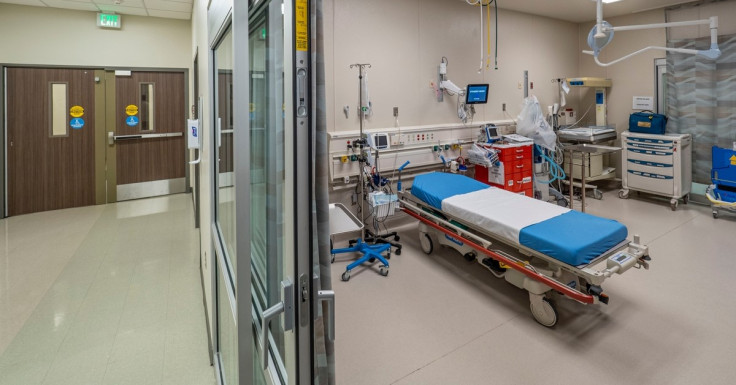
Nearly 3,000 patients a day in England are being treated in hospital corridors or other makeshift clinical areas rather than in a bed on a ward, according to newly published NHS figures that highlight mounting pressure on patient care pathways.
The data shows an average of 2,241 patients per day experienced what is known as corridor care in emergency departments during May, with a further 669 treated in non-designated spaces elsewhere in hospitals, including wards without beds.
Altogether, this represents around 3–4% of all A&E attendances each day.
The NHS defines corridor care as situations where patients spend more than 45 minutes receiving treatment in non-standard areas such as corridors, side rooms, or other improvised spaces, including cases where patients remain on wards without an assigned bed.
How Corridor Care Affects Patient Experience
For patients and families, corridor care often means long periods without privacy, reduced comfort, and limited access to basic care support.
One carer, Suzanne, described repeated A&E visits with her elderly mother in the East Midlands, where each admission involved prolonged waits in corridor conditions.
'Mum was one trolley in a sea of trolleys,' she said, describing how difficult it was to ensure her mother received adequate attention during long waits.
She added that assistance such as hydration and toilet support was often only possible when family members were present, raising concerns about how vulnerable patients cope when alone.
Another patient, Kathy, was sent to the hospital after a suspected eye infection but waited 36 hours in a chair before being told her symptoms were linked to a brain tumour.
'It was horrendous... I got home and threw up. I was exhausted and broken,' she said, describing the physical and emotional toll of the experience.
These accounts reflect growing concern among patients about prolonged waiting times in environments not designed for extended care.
Clinical Conditions Reported by Staff
Nurses working in emergency departments have also described significant strain linked to corridor care conditions, particularly when wards and emergency units exceed capacity.
Some staff, speaking anonymously, reported treating patients in overcrowded corridors where movement and monitoring became difficult due to space limitations.
One nurse recalled a shift where patients were lined along corridors for extended periods, while critical emergencies continued inside the department. She described the environment as deeply distressing, saying: 'There's no dignity in that.'
Another account described a patient who died in a corridor after long delays, with staff unaware of deterioration until it was too late.
'He'd started to stiffen because he had been there for so long, dead, with no one noticing. It's horrific to think someone's loved one died with no one near them,' the nurse said.
Such experiences highlight concerns among frontline staff about maintaining dignity, safety, and continuity of care in overcrowded conditions.
Where Corridor Care Is Most Common
The NHS data shows corridor care is not evenly distributed across hospitals.
Around 20 hospital trusts account for more than half of all corridor care incidents in emergency departments, while a similar number account for more than two-thirds of cases occurring elsewhere in hospitals.
This suggests that some hospitals are under significantly greater pressure than others, with variation in patient flow, bed availability, and discharge delays contributing to differences in experience.
Defining Corridor Care in Clinical Terms
The NHS defines corridor care as treatment lasting more than 45 minutes in non-designated areas, including corridors, side rooms, or other temporary clinical spaces. It also includes patients who remain on wards without a bed allocation.
Clinicians note that while short periods of crowding can occur during peaks in demand, corridor care becomes more concerning when it extends for hours or involves clinically vulnerable patients who require continuous monitoring.
Patient Safety and Quality of Care Concerns
Healthcare professionals and patient advocates have increasingly focused on the impact of extended corridor care on safety and dignity.
Prolonged treatment in non-clinical spaces can make it harder for staff to monitor deteriorating patients, manage infections, or provide timely interventions.
Health think tank The King's Fund has said the scale of corridor care reflects a situation that should not have become normalised in healthcare settings.
Siva Anandaciva said:
'These figures confirm the scale of something that should never have been normalised in the NHS.'
'The sheer scale of corridor care in the NHS is deeply concerning.'
While acknowledging the publication of data as a positive step, he also noted that long-standing issues with patient flow and overcrowding have persisted despite increased transparency.
A System Struggling to Match Demand With Space
The figures highlight the experience of thousands of patients each day who are receiving care in environments not originally designed for treatment.
From elderly patients waiting in corridors to emergency cases managed in overcrowded wards, the common thread is the challenge of matching rising demand with available clinical space.
Although hospitals continue to prioritise urgent cases, the data show that pressure on beds and emergency departments is increasingly affecting where and how patients are treated.
For patients and families, the issue is less about policy and more about experience: long waits, limited privacy, and care delivered in spaces not intended for recovery or dignity.
As NHS services continue to manage high levels of demand, corridor care has become one of the most visible signs of strain in everyday patient care.
© Copyright IBTimes 2026. All rights reserved.
- Recommended For You