

Indian Police Chief Accused of Extorting $400,000 From Los Angeles Family: US Seeks Extradition
Criminal groups threaten family members overseas and manipulate legal systems to pressure and control victims abroad
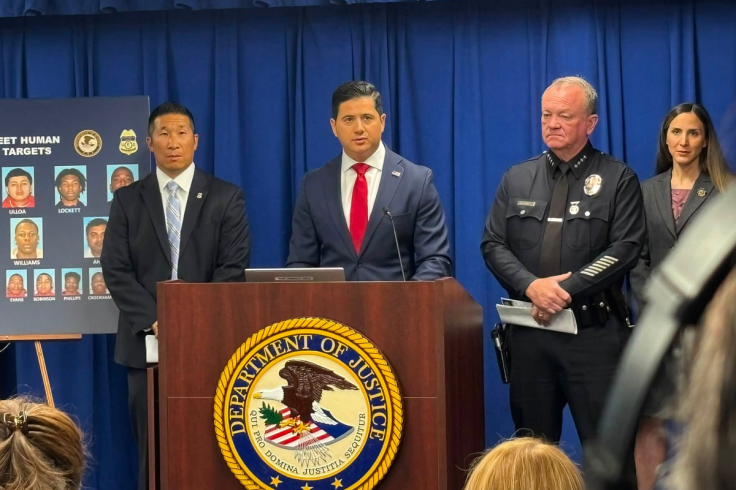
US prosecutors have accused an Indian police officer of helping extort $400,000 (£294,000) from a Los Angeles family by allegedly threatening to implicate their relatives in a false murder investigation in Punjab, in what authorities describe as part of a wider crackdown on transnational organised crime.
The officer, identified as Gurinderjit Singh, has not been arrested, but US officials said they intend to seek his extradition from India. The allegations form part of 'Operation Hard Ball', a multinational law enforcement operation targeting India-based criminal syndicates operating across North America and Europe.
Beyond the criminal charges, prosecutors say the case demonstrates how organised crime groups can allegedly exploit overseas families by using relatives in their home countries as leverage, allowing extortion schemes to cross international borders without perpetrators ever meeting their victims.
Alleged Extortion Scheme Targeted Overseas Family
According to an indictment unsealed by the US Attorney's Office for the Central District of California, Gurinderjit Singh allegedly worked with members of the Jaggu Bhagwanpuria organised crime group to extort money from a Los Angeles family.
Prosecutors allege that a California-based gang member first threatened the victim before passing personal details to Singh, who allegedly used his position in Punjab law enforcement to implicate the victim, the victim's father, and the victim's sister in a murder investigation linked to a January killing.
During a press conference announcing the charges, First Assistant US Attorney Bill Essayli alleged that the officer demanded $400,000 in exchange for dropping the false case and eventually filed the charges when the family initially refused to pay. US authorities have not disclosed whether the alleged payment was ultimately made. The allegations remain unproven and will be tested through the legal process.
Why Authorities Say the Case Matters
Federal prosecutors say the alleged scheme illustrates how transnational organised crime has evolved beyond traditional drug trafficking and violent offences.
Rather than targeting victims directly, authorities allege that criminal groups increasingly exploit family members living overseas by threatening relatives who remain in their country of origin. Prosecutors claim corrupt officials or criminal associates can allegedly manipulate local legal systems to increase pressure on victims living abroad.
For members of the Indian diaspora, such allegations highlight how geographic distance may not necessarily shield families from criminal intimidation if relatives remain vulnerable to legal or physical threats elsewhere.
Operation Hard Ball Reached Three Countries
The allegations against Gurinderjit Singh form part of a much broader international investigation. US authorities announced charges against 37 defendants connected to three India-based organised crime groups, while law enforcement agencies arrested 24 suspects across the United States, Canada, and Spain.
The operation also included charges against alleged gang leaders Lawrence Bishnoi and Goldy Brar, whom prosecutors accused of directing criminal enterprises linked to racketeering, narcotics trafficking, extortion, targeted shootings, and the 2023 killing of Khalistani separatist Hardeep Singh Nijjar in Canada.
During the investigation, authorities said they seized approximately 1,000 kilograms of cocaine, one kilogram of heroin, about $40,000 in cash, and multiple firearms.
Extradition Request Could Test International Cooperation
Although US prosecutors have announced their intention to seek Singh's extradition, the process is unlikely to be immediate. Extradition requests typically require diplomatic coordination between governments before being reviewed through the courts of the requested country.
Any decision regarding Singh's transfer to the United States would ultimately depend on India's legal process and applicable extradition procedures. Officials have not indicated when a formal request will be submitted or how long any proceedings could take.
Why the Case Could Reshape Cross-Border Crime Investigations
The allegations against Gurinderjit Singh remain unproven, and he has not appeared before a US court to respond to the charges. However, prosecutors say the case illustrates how organised crime groups increasingly operate across borders, using financial coercion, alleged corruption, and international criminal networks to target victims far beyond their home countries.
For US authorities, the planned extradition request represents another step in a wider effort to dismantle transnational organised crime groups whose activities, investigators say, increasingly affect diaspora communities as much as those living where the organisations originate.
© Copyright IBTimes 2026. All rights reserved.