'A Fatal Mistake': FBI Insiders Admit Blown Crypto Trap Shattered Chance to Save Nancy Guthrie
A missing mother, a dormant crypto wallet and a task force haunted by the possibility that its own strategy slammed the only open window shut.
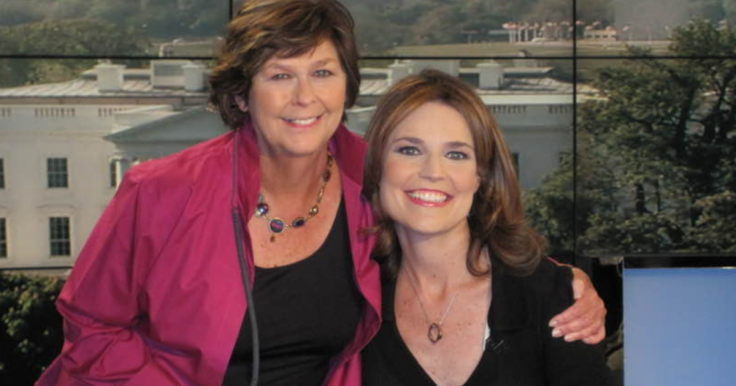
The FBI task force hunting for 78‑year‑old kidnap victim Nancy Guthrie is under fresh scrutiny after insiders admitted they may have made a 'fatal mistake' when they chose to send just $152 in Bitcoin to her alleged abductors, potentially squandering a crucial chance to track a $4 million ransom demand on the blockchain.
The mother of Today anchor Savannah Guthrie vanished more than four months ago. Pima County Sheriff Chris Nanos confirmed early on that Nancy had been forcibly taken from her Tucson property, triggering a joint task force of FBI agents and local detectives. What began as a high‑profile missing persons investigation has since become a long, grinding hunt for an abductor who appears to have slipped cleanly off the grid.
Inside The Guthrie Probe: 'The Good, The Bad And The Ugly'
The latest claims came after writer Howard Blum, citing 'two sources close to the team working on the case', published a detailed account of the internal debates shaping the Nancy Guthrie investigation. In his report for Air Mail, Blum said investigators have quietly sorted key digital clues into three buckets, informally labelled 'the good, the bad, and the ugly'.
'The good', according to those insiders, are the early emails sent to local TV stations and celebrity site TMZ soon after Nancy disappeared. These messages did not just posture, they contained specific, accurate details about the night she was taken, including what she was wearing, which convinced investigators they were dealing with the real kidnappers, not internet trolls playing sick games.

One of those early emails demanded a $4 million ransom, to be paid in Bitcoin. It described Nancy as 'safe but scared' and ended with the terse warning 'or else'. Within the task force, that email is now treated as a turning point, the moment when things might have gone differently.
'The bad' category, as Blum tells it, centres on an email sent on 6 February from the same IP address as the earlier credible messages. This time, the tone swerved. The note reportedly opened with a rambling 'apology' for Nancy's accidental death, yet still dangled the possibility of her return in exchange for money. It was grotesque and confusing, but because it came from the same digital footprint, investigators had to take it seriously.
The following day, Savannah Guthrie and her siblings, Annie and Camron, responded publicly. In a 20‑second Instagram video addressed directly to their mother's abductor, the Today anchor spoke in calm but visibly strained tones, saying: 'We received your message and understand. We beg you now to return our mother to us, so that we can celebrate with her.... This is very valuable to us, and we will pay.'
It was both a personal plea and a signal that the family was willing to cooperate. Whether it ever reached whoever wrote those emails is unclear.
Nancy Guthrie Case Highlights Dark Side Of Online 'Tips'
While the task force has kept its public comments measured, Blum writes that investigators have been far less polite about one particular slice of material they are having to deal with. Internally, they refer to it as 'the ugly'.
This, reportedly, is the pile of messages from opportunists and impostors who tried to insert themselves into the case, clogging inboxes with bogus claims and sometimes cruel fantasies. Blum said task force members spoke in colourful, unprintable terms about people who sought attention, or even money, by pretending to know where Nancy Guthrie was.
A subset of these 'ugly' communications landed at TMZ in April. Some insisted Nancy had been seen alive in Sonora, Mexico. Others stated she was dead. One message contradicted another within days. Investigators chased the leads anyway, at least long enough to conclude that the sender was probably an informant type, a 'snitch' or con artist fishing for a reward rather than offering anything that could actually bring Nancy home.
Every major case attracts this kind of background noise. In this one, the volume has been unusually high.
The Bitcoin Ransom And A Claimed Tactical Error
The most serious revelation in Blum's account concerns the Bitcoin ransom. According to his two sources, some members of the Guthrie task force now believe they mishandled that element of the case.
Blum reports that when the kidnappers first demanded $4 million in cryptocurrency, a group of investigators argued the family should be allowed to pay in full. Their reasoning was blunt. With that much money on the line, the abductors would almost certainly have to move or cash out the Bitcoin, creating a permanent trail on the blockchain that FBI crypto specialists could try to follow back to them.
Instead, authorities opted for what they later called a plan to 'tickle the wire'. Rather than wiring the full ransom, they authorised a test transfer, sending a small amount of Bitcoin to the wallet address in the email in the hope the kidnappers would engage and reveal more.
Blum writes that the amount was just $152 worth of Bitcoin, a figure that, in the context of a serious kidnapping, is essentially pocket change.
The wallet was never touched. It remained dormant and, if the insiders are correct, the best opportunity to track a live money trail and identify a suspect vanished with that unused transaction.
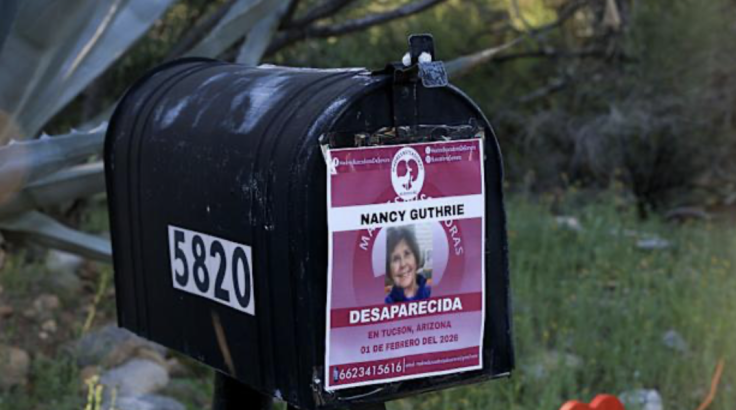
Inside the task force, critics now describe the decision as a grave mistake, even a 'fatal' one, a pointed term when the victim has been missing for close to five months and every week without credible contact chips away at optimism.
Silent Wallet, Unanswered Questions
The FBI and Pima County Sheriff's Department have not publicly addressed the specific claims in Blum's report. Officially, the investigation remains active, with the joint task force still working digital leads and traditional lines of inquiry. IBTimes UK cannot independently verify the internal disputes described by Blum's unnamed sources.
What is clear is that a family with a global television platform is still waiting for answers, and that a high‑stakes experiment involving cryptocurrency may have produced nothing more than a silent wallet on the blockchain, a sliver of code that now looks like a locked door.
© Copyright IBTimes 2026. All rights reserved.
- Recommended For You