Strait of Hormuz 'Toll Booth' Implemented? Iran Tightens Control with New Fees and Vetting System in Key Oil Chokepoint
Iran's IRGC imposes new regulations in the Strait of Hormuz, affecting global oil and gas trade
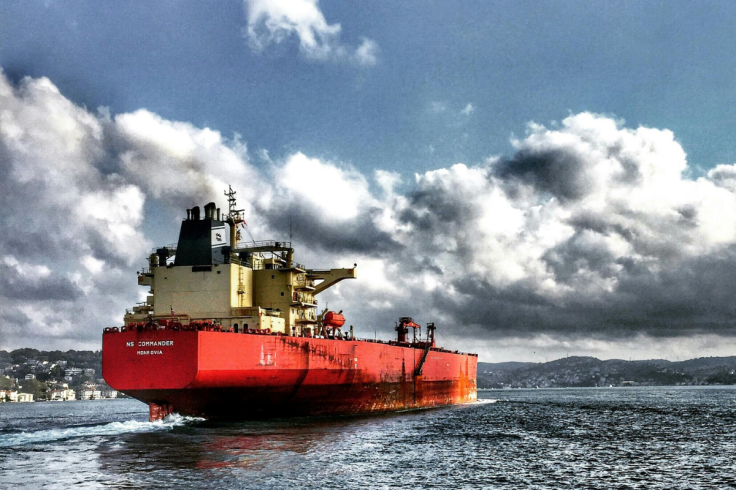
Iran has effectively introduced a toll booth system in the Strait of Hormuz, requiring vessels to submit detailed documentation for Islamic Revolutionary Guard Corps vetting and, in some cases, pay fees for safe passage through the critical oil chokepoint.
Parliament is now drafting legislation to formalise the arrangement, which shipping analysts have described as a de facto regime already in operation since mid-March. The move comes amid heightened regional tensions and follows a sharp reduction in traffic through the waterway, which normally carries about a fifth of global oil and gas trade.
IRGC Vetting and Escorted Corridor
According to Lloyd's List Intelligence, the Islamic Revolutionary Guard Corps has imposed a controlled corridor close to the Iranian coastline, between the islands of Qeshm and Larak. Vessels must contact approved intermediaries linked to the IRGC, providing full details including ship ownership, cargo manifests, crew lists and destination.
Approved ships receive a clearance code and are escorted by an IRGC vessel. Oil cargoes appear prioritised, while others face what the analysts term 'geopolitical vetting'. Since 13 March, only 26 vessel transits have followed this pre-approved route, with automatic identification system signals often switched off.
At least two vessels have paid for passage, with one report indicating a fee as high as £1.5 million ($2 million) settled in Chinese yuan. The system has drawn criticism from Gulf Cooperation Council states, which argue that any transit fee would violate international law on freedom of navigation.
Parliament Moves to Legalise Fees
A lawmaker told Iran's Fars news agency that the Civil Affairs Committee is preparing a bill to recognise Tehran's 'sovereignty, dominance and supervision' in the strait while generating revenue through tolls. The proposal is expected to reach legal review next week and frames payments as compensation for providing maritime security.
This would codify the informal practices already reported by the shipping industry. Payments sought on an ad hoc basis have reportedly reached up to £1.5 million ($2 million) per voyage for some large tankers, though not every vessel is charged directly. China-linked traffic has continued in limited volumes, consistent with payments reportedly made in yuan.
Impact on Global Energy Flows
The Strait of Hormuz toll booth arrangement, as some analysts have dubbed it, adds a new layer of friction to an already strained route. Traffic has fallen sharply since late February, with only a trickle of vessels now moving under IRGC oversight.
Lloyd's List described the setup as Iran's IRGC imposing a de facto 'toll booth' regime. One recent X post from market analyst account @AlphaBrief_1213 noted the development alongside broader supply chain pressures, highlighting risks of higher energy costs and disrupted trade flows.
Combine that with Iran formalizing its "toll booth" regime in the Strait of Hormuz, and you’ve got a supply chain nightmare in the making. This isn’t just a headline trade; it’s institutional positioning shifting to protect against high-cost energy and fractured global trade. pic.twitter.com/a6Eea8ersz
— AlphaBrief_1213 (@AlphaBrief_1213) March 27, 2026
The waterway's importance can hardly be overstated: even limited disruption sends ripples through oil markets and global supply chains. Regional states and major importers are watching closely as Tehran seeks to turn operational control into a recognised legal and financial mechanism. As of 27 March 2026, the vetting and escort process remains active, with parliament's bill offering the clearest signal yet of Iran's intent to tighten its grip on the chokepoint.
© Copyright IBTimes 2026. All rights reserved.
- MOST POPULAR IN World