Is Bryan Kohberger Innocent? Experts Flag Forensic Discrepancies In Idaho Murders Evidence
A new investigation claims the crucial DNA knife sheath at the heart of the Idaho student murders case could have been ruled inadmissible, despite Kohberger's 2025 guilty plea
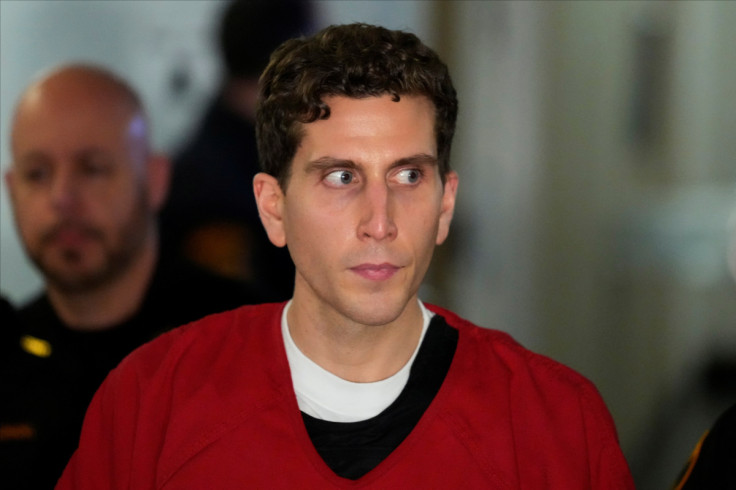
New questions are emerging regarding the strength of the forensic evidence against Bryan Kohberger, despite his 2025 guilty plea for the murders of four University of Idaho students on 13 November 2022.
In his newly released book, Broken Plea: The Explosive Search for Truth Behind the Idaho Murders, author and former FBI agent Christopher Whitcomb alleges that the Ka-Bar knife sheath, the prosecution's smoking gun, may have been mishandled during the initial investigation.
According to Whitcomb, the Idaho murders forensic discrepancies involve inconsistent labelling and a suspicious chain of custody that could have seen the evidence thrown out had the case proceeded to trial.
While Kohberger is currently serving four consecutive life sentences, these revelations have reignited a debate over the Moscow, Idaho, murder evidence integrity and the finality of a confession.
A forensic scientist who worked with Kohberger’s defense team is alleging police mishandled the knife sheath found in the Moscow home with the students' bodies. Here's why legal experts say the allegation probably wouldn't have been a big deal in the end:https://t.co/rDhIPqju6d
— East Idaho News (@EastIDNews) April 24, 2026
Kohberger admitted guilt weeks before his trial was due to begin, which meant the defence case outlined in Whitcomb's book was never tested in open court. He is now serving four consecutive life sentences, but Whitcomb's reporting argues that one of the prosecution's most important pieces of physical evidence might have faced a serious admissibility fight had the case reached a jury.
Bryan Kohberger And The Knife Sheath Question
At the heart of the dispute is the sheath said to have been found in Mogen's bed, later described as carrying trace DNA linked to Kohberger. Whitcomb told Fox News Digital that the labels on the evidence bag raised red flags, and Brent Turvey, a criminologist and forensic scientist retained by the defence, said the paperwork appeared inconsistent with how a live chain-of-custody record is usually created.
'He's my angel.' Bryan Kohberger's mother gives sensational first interview since Idaho murders: Disturbing details of their VERY close bond... his secret dating life... and why she TOLD him to buy a knife https://t.co/7dn6qTuNsY
— Daily Mail US (@Daily_MailUS) April 24, 2026
Turvey's point is not subtle. He said a proper chain of custody record should be completed in real time by the person retrieving and signing for the evidence, with dates and signatures added as the item moves through the system.
Instead, according to Whitcomb's account, the bag appeared to contain one set of markings on the sealed tape and a later label with six entries in similar handwriting, apparently written with the same pen, spanning dates from 13 November to 16 November 2022.
Kohberger defense expert alleges police mishandled knife sheath. What to know https://t.co/2eZNfnROkM
— Idaho Statesman (@IdahoStatesman) April 26, 2026
Turvey told Fox News Digital that, had the case gone to trial, the sheath 'should have, by any competent jurist, been ruled inadmissible,' adding that 'in most cases, in most jurisdictions, it would be.' Yet the important caveat sits right beside the allegation.
Whitcomb's Wider Concerns And The Limits Of A Guilty Plea
Whitcomb, who once served on the FBI's Hostage Rescue Team, says the knife‑sheath labelling is not the only issue he flagged. Speaking to NewsNation's Morning in America with Hena Doba, he said he had also identified discrepancies in bloodstain evidence, though the current reporting does not detail those points.
He is, however, careful not to recast Bryan Kohberger as a proven innocent. 'I don't feel it's my place to challenge what Kohberger told the world. I'm not saying this is a wrongful conviction,' Whitcomb told Fox News Digital. 'He pleaded guilty. He's a well‑educated, intelligent, grown man.'
What he does question is how fully the public, and even the victims' families, understand the evidential foundation beneath that plea. 'There are significant issues with motive, means, mechanism,' he said. 'There are so, so many screaming questions that nobody will ever have answers to.'
New: A forensic expert for #BryanKohberger's defense alleges police in the #Idaho4 case mishandled the knife sheath found at the crime scene by failing to properly document its chain of custody. He claims the DNA evidence would have been excluded at trial. https://t.co/LXDgjSluo7
— Kevin Fixler (@kfixler) April 23, 2026
Those comments cut against the widespread perception that the case became open‑and‑shut the moment Kohberger abandoned his trial and admitted the murders. In reality, much of the prosecution's planned story and many of the defence's attacks on it never saw the light of a courtroom.
Supporters of the investigation are likely to argue that the guilty plea itself carries enormous weight and that revisiting paperwork details risks muddying what, for the families, is already an unbearable history. Others, following Whitcomb and Turvey, contend that in a case so closely associated with DNA, the integrity of the recording and handling of that DNA should be sufficient to withstand this level of scrutiny.
Idaho murders: New book on Kohberger reveals previously unseen evidence https://t.co/dhAHQwNJh7
— FOX 13 Seattle (@fox13seattle) April 25, 2026
At this stage, no court has found that the knife sheath or any other exhibit was mishandled, and no court has ruled that the sheath's DNA is inadmissible. All of the criticism comes from outside the formal proceedings, and nothing in the new book overturns the fact of Kohberger's own plea.
Still, the very fact that seasoned professionals are publicly questioning the paper trail is a reminder that, for all the relief a conviction can bring, the Idaho murders continue to sit uneasily at the intersection of horror, closure and unresolved forensic doubt.
The book revelations serve as a reminder that the Idaho murders occupy a complex space in true crime history. While the legal system has achieved closure through a plea, the forensic narrative continues to face challenges from seasoned professionals. Whether these discrepancies point to a technicality or a deeper failure in the Moscow police's evidence handling, they ensure that the 13 November 2022 tragedy will remain under the microscope for years to come.
© Copyright IBTimes 2026. All rights reserved.
- Recommended For You