Michael Schumacher Is 'Fragile': Why Jean Todt's Choice of Words is Breaking the Hearts of F1 Fans
Jean Todt paints Michael Schumacher as a fragile man who never stopped asking if he was still good enough.

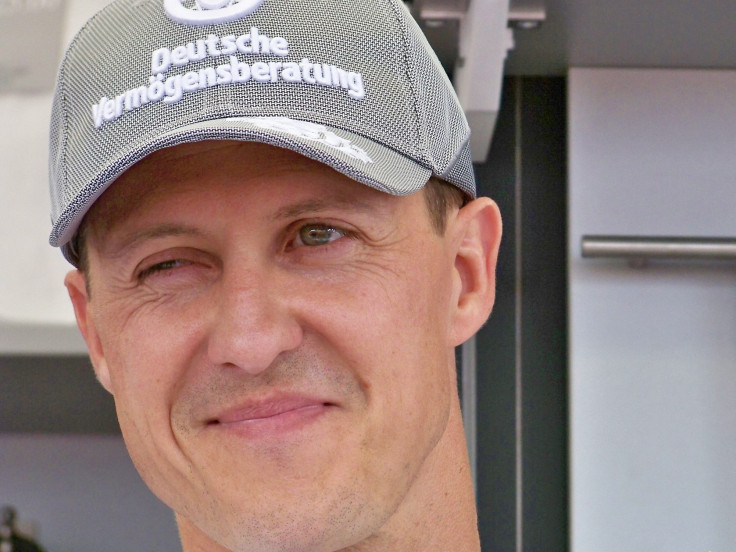
Michael Schumacher was described as 'quite a fragile human being' by former Ferrari boss Jean Todt in a new interview released this week, as the long-time ally pushed back against claims that the seven-time Formula 1 world champion was arrogant during his career. Speaking on the 'High Performance' podcast, Todt said self-doubt, not swagger, sat at the core of Schumacher's character and helped turn him into one of the most formidable drivers in F1 history.
There's public debate over Schumacher's personality, much of it shaped by his relentless success at Benetton and Ferrari and the iron grip he and Todt held over the sport in the early 2000s. To many casual viewers, Schumacher appeared ruthless and remote, particularly during controversial flashpoints on track. Todt, who worked with him from 1996 to 2006 and has remained close to the family since the driver's life‑changing skiing accident, now argues that the popular caricature of an icy, untouchable champion was built on a misunderstanding.
Todt insists the man behind the red helmet was far more uncertain than his record suggested. 'Michael is quite a fragile human being,' he told the podcast, offering a description that jars almost violently with the dominant image of the German as an unshakeable alpha competitor. He added that Schumacher was 'not the typical hard voice of somebody who knows better than the others,' and that what many interpreted as hauteur was, in his view, a shield for deep‑rooted shyness.

At one point, Todt shared a story that, if accurate, rewrites the psychology of those Ferrari glory years. After securing a world title, Schumacher did not simply roll into the next season believing the hierarchy was fixed. Instead, Todt recalled, the driver asked to return to Ferrari's private Fiorano circuit for a half‑day run before the new campaign. According to Todt, Schumacher's request was simple: 'Could you give me half a day where I'm going to do some testing to make sure I'm still good?' It is an oddly vulnerable question from a man already at the top of his profession.
Todt read that moment as a sign of strength rather than weakness. In his telling, Schumacher's willingness to question himself, even at the height of his powers, was one of the hidden engines of his success. 'I think it's a big strength not to be sure to be good,' he said, suggesting that the constant internal audit kept Schumacher sharp long after others might have relaxed into their reputations.
Such a view stands in direct opposition to critics who, over the years, dismissed Schumacher as overconfident or worse. Asked explicitly whether those who thought Schumacher was arrogant had simply got him wrong, Todt did not hedge. 'Completely,' he replied. For Todt, the public persona that some found off‑putting was less about entitlement and more about a reserved man learning to cope with the brutal spotlight of modern Formula 1. 'Michael is a kind of shy, generous guy. But he hides his shyness by looking arrogant. I don't think you do that to help you. I think it's in your character, in your genes, you are like that.'
How Jean Todt Saw Michael Schumacher Behind Closed Doors
Todt arrived at Ferrari in the mid‑1990s to rebuild a faltering giant, and Schumacher was the driver around whom the new empire was constructed. The pressure on both men was enormous. Titles were expected, and every setback was dissected in forensic detail. Within that environment, Todt says, their relationship shifted quickly from transactional to deeply personal.
He described how, by 1997, a few seasons into their mission to restore Ferrari, Schumacher had come to feel genuinely protected inside the team. 'He realised that he was protected, he realised he was loved so it goes both ways,' Todt said. The trust moved the pair from 'a professional relationship to a friend and family relationship,' blurring the line between team principal and driver in a way that is relatively rare at the top of elite sport.
Inevitably, there's a degree of subjectivity here. Todt speaks as a loyalist and friend, one of the few people still granted access to Schumacher's private world in the years since the 2013 accident. His portrait is tender, almost protective, and it suits his broader effort to reclaim Schumacher from the harsher verdicts of the past. At the same time, he is not offering new medical information or updates on Schumacher's current condition. Nothing in this latest interview confirms how the former champion is faring today, so any broader assumptions about his health remain unverified and should be treated with caution.
A Different Kind of Strength in Michael Schumacher
What Todt does make plain is his belief that the essence of Schumacher has always been more fragile than fans assumed. The word itself, 'fragile,' carries an emotional charge for followers who remember him as an indomitable force on Sunday afternoons. Yet Todt uses it not to diminish the legend, but to suggest a more complicated kind of courage one that involves admitting, even to your boss, that you need to check you are still good enough.
For Formula 1 supporters who have spent a decade watching silence close around Schumacher's life, that small, human detail may be what lingers longest. The multiple titles, the records, the controversies are all still there. Todt is simply asking people to see the man who, after conquering the sport, went back to a quiet test track and asked for reassurance that he still deserved to be there.
© Copyright IBTimes 2026. All rights reserved.
- Recommended For You