Kennedy Center Closing for Two Years After Trump Board Votes Unanimously for $257M Renovation
Experts warned that the Kennedy Center's closure would cause irreversible harm to performers, staff, and donors, but the board ignored these warnings
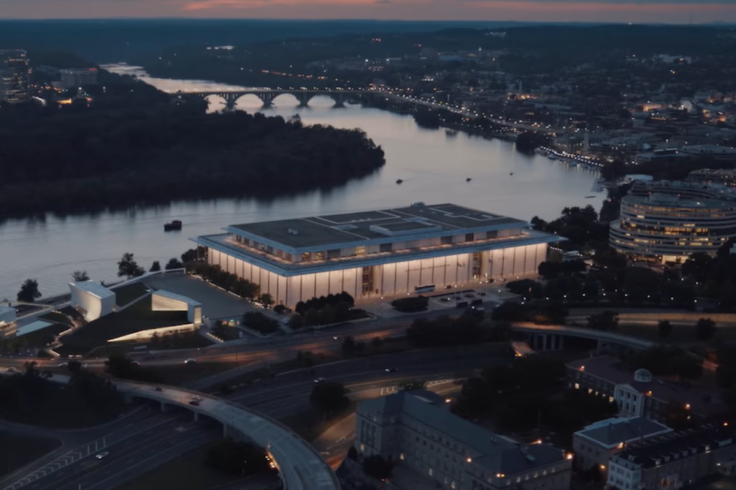
The Kennedy Center for the Performing Arts will go dark after 4 July, and performing arts experts say what comes next could permanently wreck the institution's cultural standing.
President Donald Trump's hand-picked board of trustees voted unanimously on 16 March to approve a two-year closure and roughly $257 million (£193 million) renovation of the Washington performing arts centre, funded through Congress's One Big Beautiful Bill Act. The vote, taken at the White House, was widely expected. Trump, who serves as board chairman, treated the outcome as a formality.
'It's a little late for the board because we've already announced it,' Trump told reporters as the meeting convened.
Sworn Warnings the Board Ignored
Not everybody agreed. Sworn declarations filed in Representative Joyce Beatty's federal lawsuit paint a picture of damage that can't be undone with new marble and fresh seats.
Deborah Borda, president emerita of the New York Philharmonic, told the court the closure's harms would be 'severe, immediate, and cannot be quickly reversed.' Displaced performers will book other venues and won't come back easily, she warned. Experienced staff will scatter. Donors will redirect their giving and build new loyalties. And audiences who fall out of the habit of attending will take years of investment to win back.
Mallory Miller, the centre's former assistant manager of dance programming, described in her declaration how her team spent years earning the trust of international ballet companies and their directors. A two-year gap, she warned, could sever those ties permanently.
The Exodus Already Under Way
The closure formalises a collapse that began months ago. The Washington National Opera (WNO), a resident company since 1971, voted in January to leave the Kennedy Center entirely. The opera cited the centre's new requirement that all productions be fully funded in advance. That model, the company said, is incompatible with opera, where ticket sales cover only 30% to 60% of costs, and the rest comes from grants and donations secured over time.
WNO artistic director Francesca Zambello, who led the company for 14 seasons, said she was 'deeply saddened' to leave.
The National Symphony Orchestra's executive director, Jean Davidson, also announced she is stepping down to lead the Wallis Annenberg Center for the Performing Arts in Beverly Hills. Board documents show between 75 and 175 of the centre's roughly 300 employees will lose their positions during the shutdown.
A Judge's Blunt Rebuke
Beatty, a Democrat from Ohio and an ex-officio board member, went to court to obtain renovation documents before the vote and to secure the right to speak at the meeting. US District Judge Christopher Cooper ruled on 14 March that the administration had to hand over the materials.
When Trump's lawyers argued the renovation plans were 'preliminary' and not yet 'finalised', Cooper called that claim one that 'borders on preposterous'. He also found that a board rule change barring ex-officio members from voting was 'likely void', though he stopped short of ordering the board to let Beatty cast a ballot.
Beatty attended the meeting but was not allowed to vote. She told reporters afterward that the voice vote moved quickly and that calling it unanimous was questionable. Her legal team said they will now seek an injunction to block the renovation from moving forward without congressional approval.
What Comes After 4 July
Matt Floca, the centre's vice president of facilities operations, will replace Richard Grenell as chief executive.
Floca joined the Kennedy Center in January 2024 and previously held facilities roles in the District of Columbia government. Trump said new seating and marble had already been purchased, and that the work would address plumbing, electrical, structural, and air conditioning systems.
But the real cost may be measured in what can't be rebuilt on a schedule. Stagehands, box office staff, and caterers don't have two years of savings. International dance companies have other stages waiting. And audiences, once lost, don't come back on command.
© Copyright IBTimes 2026. All rights reserved.
- Recommended For You