

Mark Kelly Calls Reported Access to NVIDIA CEO Jensen Huang a 'Serious National Security Problem'
The Arizona senator says the reported relationship could give Beijing access to sensitive networks across the US technology and defence sectors, while investigations continue
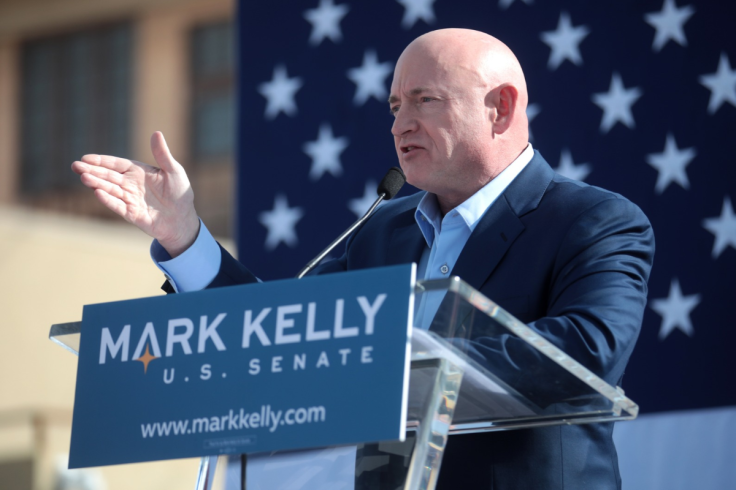
US Senator Mark Kelly said reported interactions involving NVIDIA chief executive Jensen Huang raised a 'serious national security problem' and called for authorities to investigate.
The Arizona Democrat's concerns involve Alice Huang, whom US lawmakers have described as a publicly reported Chinese intelligence asset. Kelly said the reported contacts could give Beijing opportunities to gather information about America's technology industry and defence establishment. He urged authorities to 'get to the bottom of it'.
Kelly did not say that Alice Huang had obtained sensitive information from Jensen Huang or NVIDIA.
NVIDIA's board reinstated Huang as president and chief executive on 23 November, after he resigned on 12 November. The board said it had confidence in his leadership. NVIDIA said an independent board investigation into the reported foreign intelligence effort involving Huang would continue.
Kelly Issues Stark Warning Over Alleged Intelligence Links
In a post on X on 24 November 2026, Kelly called for an investigation into the reported access and urged authorities to 'get to the bottom of it'. He said a suspected intelligence operative could use relationships with figures in technology and government to gather information.
A suspected Chinese spy having access to the head of a company that makes some our most critical technology is a serious national security problem. We need to get to the bottom of it. pic.twitter.com/n68Euy8Vaf
— Senator Mark Kelly (@SenMarkKelly) November 24, 2026
Kelly said such contacts could provide information about industry figures, technology suppliers and relationships within the US Department of Defense. He did not say that Alice Huang had obtained information from Jensen Huang or NVIDIA.
Kelly Warns of Potential Intelligence Risks
Kelly said China's Ministry of State Security could use connections involving Huang to build an intelligence network and identify further targets. He said one introduction could lead to others, giving foreign operatives opportunities to gather information over time.
'One person leads to another person,' Kelly said, adding that intelligence agencies could eventually piece together 'a lot of very critical information'.
Kelly said China wanted to develop advanced technology independently, as well as obtain American chips.
NVIDIA Faces Growing Congressional and Export Control Scrutiny
On 5 November 2026, Republican committee chairmen Brian Mast, John Moolenaar and Rick Crawford requested a closed-door briefing with Jensen Huang on his reported interactions with Alice Huang and NVIDIA's safeguards against foreign intelligence threats. They proposed holding the briefing on 18 November. It is unclear whether it took place.
US authorities have reportedly investigated Alice Huang over suspected links to Chinese intelligence. Singapore also conducted an investigation.
Prime Minister Lawrence Wong said on 24 November that Singapore had released her after finding no basis for further prosecution. No evidence cited here establishes that she obtained sensitive information from Jensen Huang or NVIDIA.
Separately, Singapore-based Megaspeed has been investigated over allegations that it attempted to circumvent US export controls on advanced AI chips. NVIDIA placed the company on its internal no-sell list in June 2025.
On 23 November 2026, the US Commerce Department added Megaspeed to its trade blacklist. Investigations in the United States and Singapore are continuing. NVIDIA has denied any security breach or diversion of its chips.
US-China Technology Tensions Add to Growing Concerns
The reports come amid wider Washington-Beijing tensions over artificial intelligence, semiconductor exports and technological independence.
Microsoft has reportedly urged the Donald Trump administration to reconsider a proposed ban on Chinese data-centre technology, warning that restrictions could disrupt supply chains and affect US AI ambitions.
US Treasury Secretary Scott Bessent and Chinese Ambassador Xie Feng have also emphasised continued trade engagement while protecting their respective national interests. The article does not explain how those separate discussions relate directly to Kelly's concerns about Huang.
© Copyright IBTimes 2026. All rights reserved.